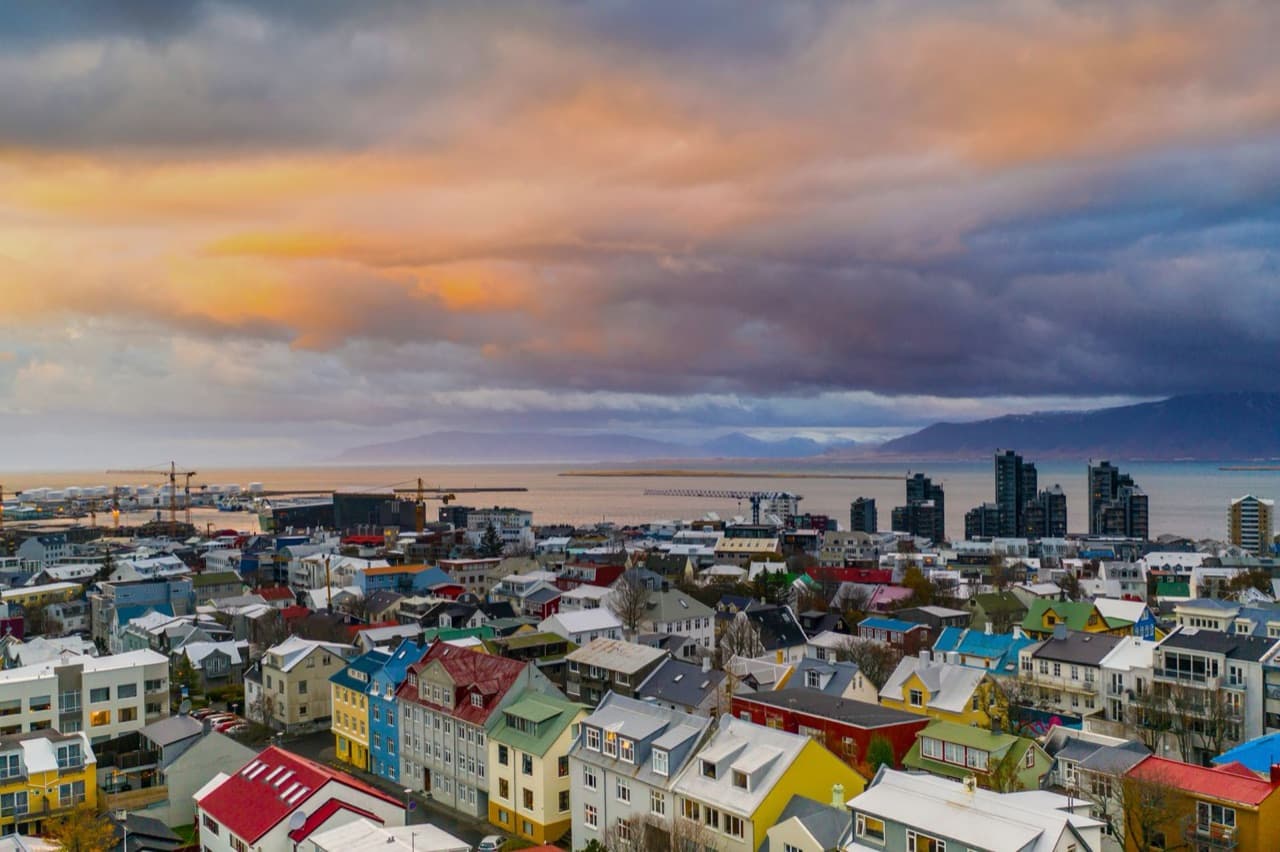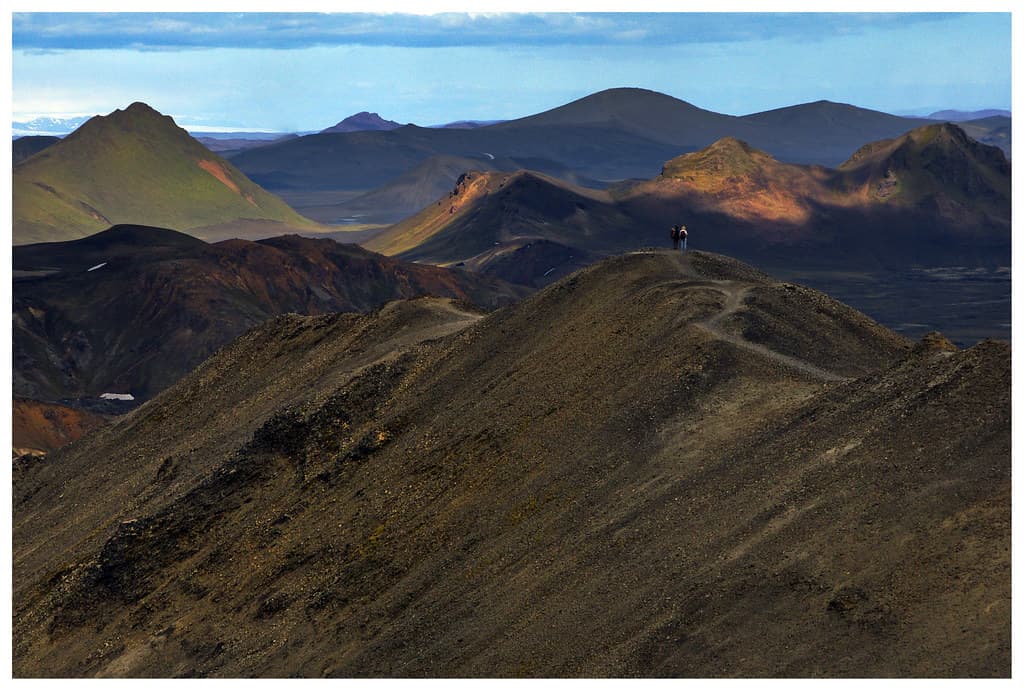
The Icelandic summer covers June, July and August. In Reykjavik, summer temperatures typically reach 12 to 18 C, which is 54 to 64 F. Around the summer solstice near June 21, Reykjavik gets roughly 21 hours of daylight.
What summer weather and temperatures to expect in Iceland
The Icelandic summer covers the months of June, July and August. In Reykjavik, summer temperatures typically reach 12 to 18 C, which is 54 to 64 F. In June, temperatures in Iceland commonly range from 7 to 13 C. Icelandic summer weather is changeable, and conditions such as sun, wind and rain can occur within the same day.
Making the most of the midnight sun and long daylight hours
Around the summer solstice near June 21, Reykjavik gets roughly 21 hours of daylight. Near the solstice in Reykjavik the sun rises around 3 in the morning and sets just after midnight. For weeks on either side of the June 21 solstice, the sky in Iceland never goes completely dark. Reykjavik sits at about 64 degrees north, just south of the Arctic Circle, so around the solstice the sun dips briefly below the horizon and the night becomes a long twilight rather than a true midnight sun. The true midnight sun, where the sun does not set at all, is seen at Grimsey island off the north coast, which lies on the Arctic Circle. In July and August Iceland still has about 16 to 19 hours of daylight. The long summer days let visitors sightsee late into the evening. The daylight tool is available on this site.
The highland roads, treks and regions that only open in summer
Iceland's highland F-roads are unpaved gravel tracks that open only in summer, typically from mid-June to September. F-roads require a proper 4x4 vehicle. Landmannalaugar is reached by the highland roads F208 and F225, which are usually open from late June to mid-September. The Laugavegur hiking trail is about 55 kilometres long and is usually completed in 4 days. The Laugavegur trek season runs roughly from late June to early September, with July and August the main hiking months. The Laugavegur trek is featured on this site.
Wildlife and events that define the Icelandic summer
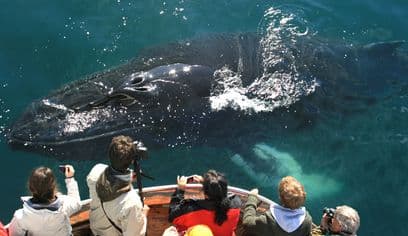
Puffins are commonly seen in Iceland from May to August, with activity strongest until about mid-August. The whale-watching season runs from around April to October, and the peak months are June to August. Husavik in north Iceland is a well-known whale-watching town, and many tours there also include puffin viewing. Iceland's National Day is celebrated on June 17. Puffins in Iceland is available on this site.
Comparing summer day trips and tours from Reykjavik
You can compare Reykjavik tours to see the current options.