You have picked winter, so this page skips the argument about which month is cheapest and gets to what winter actually changes.
It cuts both ways. The demand-priced parts of a trip cost less outside the holiday weeks. In exchange you get very few hours of daylight, a real chance of things being cancelled, and a country where a third of the map is simply shut.
What winter changes about a budget
In your favour: fewer people want to be here, so the things that price by demand price lower. That is the whole saving, and it is genuine.
Against you: the daylight, which constrains how much a day can contain. The weather, which cancels activities and occasionally roads. And the Highlands, which are not available at any price.
Nothing about winter makes Iceland cheap to be in. It makes it cheaper to arrive and to sleep.
The daylight constraint
This is the part people underestimate, and it is not a comfort issue. It is a capacity issue.
A midwinter Icelandic day gives you a narrow window of usable light. Everything you wanted to do has to fit inside it, and long drives stop being realistic because you will do half of them in the dark. A cheap January day and an expensive July day are not the same unit of holiday.
Plan around the light you will actually have rather than the itinerary you would build in summer. Two stops in a winter day is a full day.
Driving in winter is a money decision too
Route 1, the Ring Road, is fully paved and is maintained in every season and all weather conditions. Single-lane bridges still remain on it. That is the good news, and it is why a winter self-drive trip is possible at all.
The caution is real, though. Weather and road conditions in Iceland differ from what most visitors are used to and can change fast, which is the practical difference between winter driving here and winter driving somewhere with predictable weather.
Here is the budget consequence, and it inverts the usual advice. For two people in midwinter, a guided day trip can be the cheaper outcome, because handing the driving to an operator transfers the risk of a damaged vehicle, an insurance excess and a lost day. In summer a shared car beats two tour seats. In December that calculation is much closer, and for nervous drivers it flips.
The Highlands are shut, so plan the coast
Mountain roads in Iceland are designated with an F prefix and require a suitable vehicle. Highland F-roads are closed for much of the year, and Vegagerðin decides opening dates road by road with snow cover as the most important factor. In conservation areas a road may stay shut even when clear of snow.
So a winter budget trip is a coastal trip. The interior is not a question of vehicle choice or of paying more; it is closed.
Accept that early and the itinerary gets easier. The south and the west have more than enough for a winter week.
Winter-only cheap wins
The compensation is good, and two of the best things are nearly free.
The aurora is visible from any sufficiently dark place during the dark months, and looking at it costs nothing. This is the single strongest argument for a winter budget trip: the cheapest months and the only months you can see it are the same months.
And the pools. Reykjavík City operates public swimming pools including Laugardalslaug, Sundhöll Reykjavíkur, Vesturbæjarlaug, Árbæjarlaug, Breiðholtslaug, Dalslaug, Grafarvogslaug and Klébergslaug. Sitting in geothermally heated water in falling snow is the most Icelandic thing available for very little money. Note that showering without a swimsuit before entering the pool is required, and it is not a formality. How the pools work is at Iceland's public pools.
The winter traps
Four ways a cheap winter trip stops being cheap.
Non-refundable bookings. Winter cancellations are routine. A booking you cannot move is worth less than it looks.
Underpacking. Buying a proper waterproof or warm layers here costs far more than bringing them, and you will need them.
No slack. An itinerary where the thing you came for is booked on the last afternoon has no second chance.
Driving too far. Ambitious daily distances in short daylight means arriving in the dark, tired, on roads you do not know.
For the first and last of those, the same habit fixes both: check conditions before you commit to a day. The Icelandic Meteorological Office issues impact-based colour-coded weather warnings, SafeTravel publishes a travel conditions map, and the Icelandic emergency number is 112.
Expensive weeks inside a cheap season
Christmas, New Year and Easter price like peak season while sitting inside the cheap part of the calendar. If flexibility is what is buying you the saving, those weeks give it back. Shifting by a fortnight is frequently the largest single saving available.
Getting around the city cheaply
Strætó charges one flat fare per ride in the capital area. Youth aged 12 to 17 and seniors aged 67 and over pay half the adult fare, and children aged 11 and younger travel free. With fare capping, an adult never pays for more than 3 rides per day or 9 per week. Fares are paid using the Klappið mobile application, by contactless payment, or with a Klapp card or keychain.
For a winter trip based in Reykjavík without a car, this is the line that will not hurt you.
Check the daylight before you book
Use the Daylight Calculator to plan your trip.
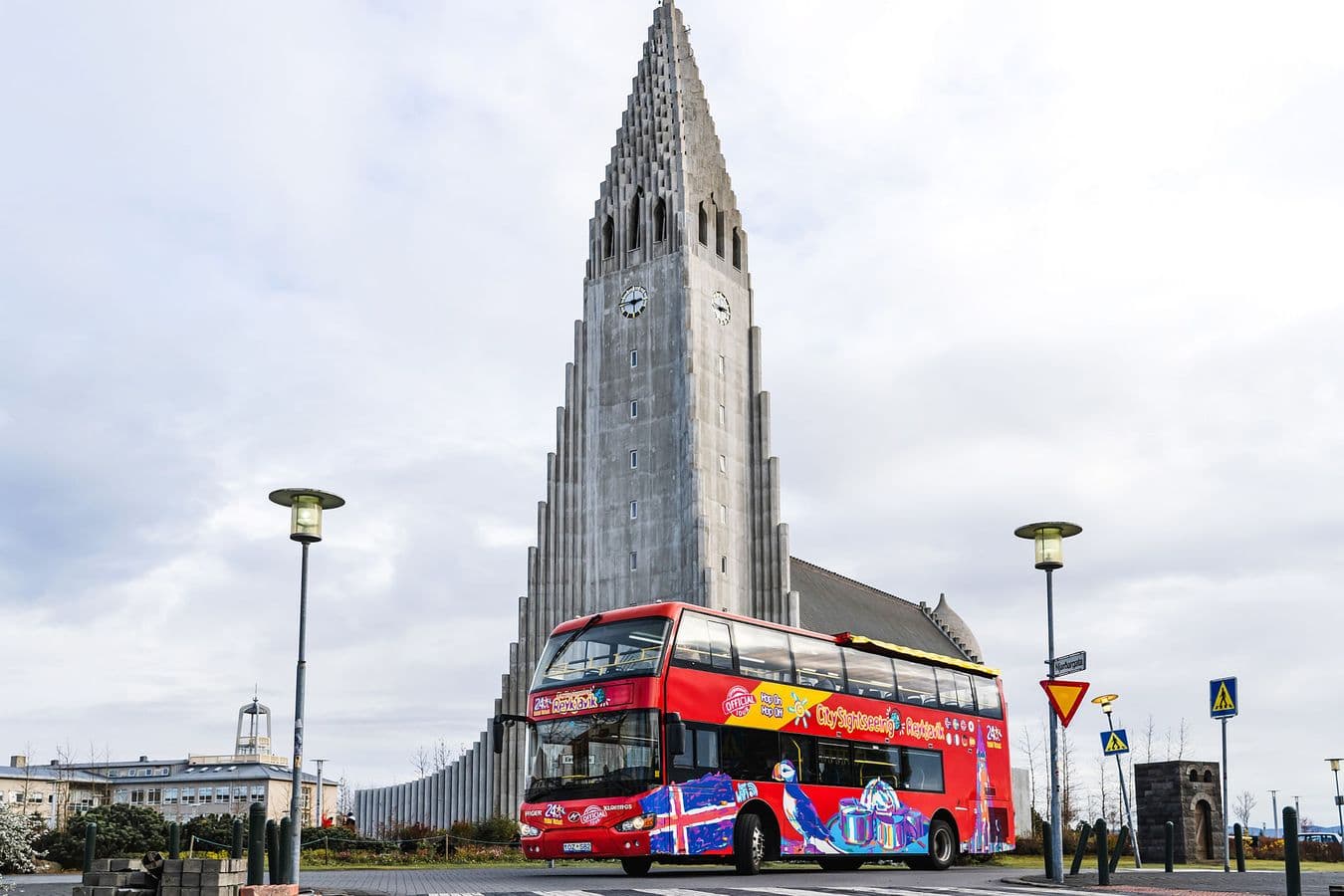
Compare Reykjavik tours
You can compare Reykjavík tours to see the current options.