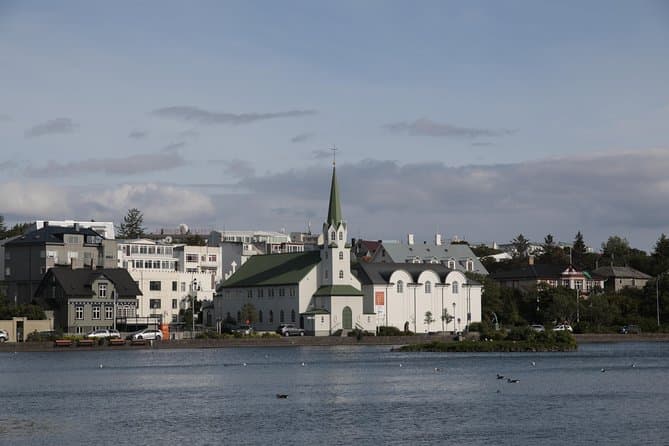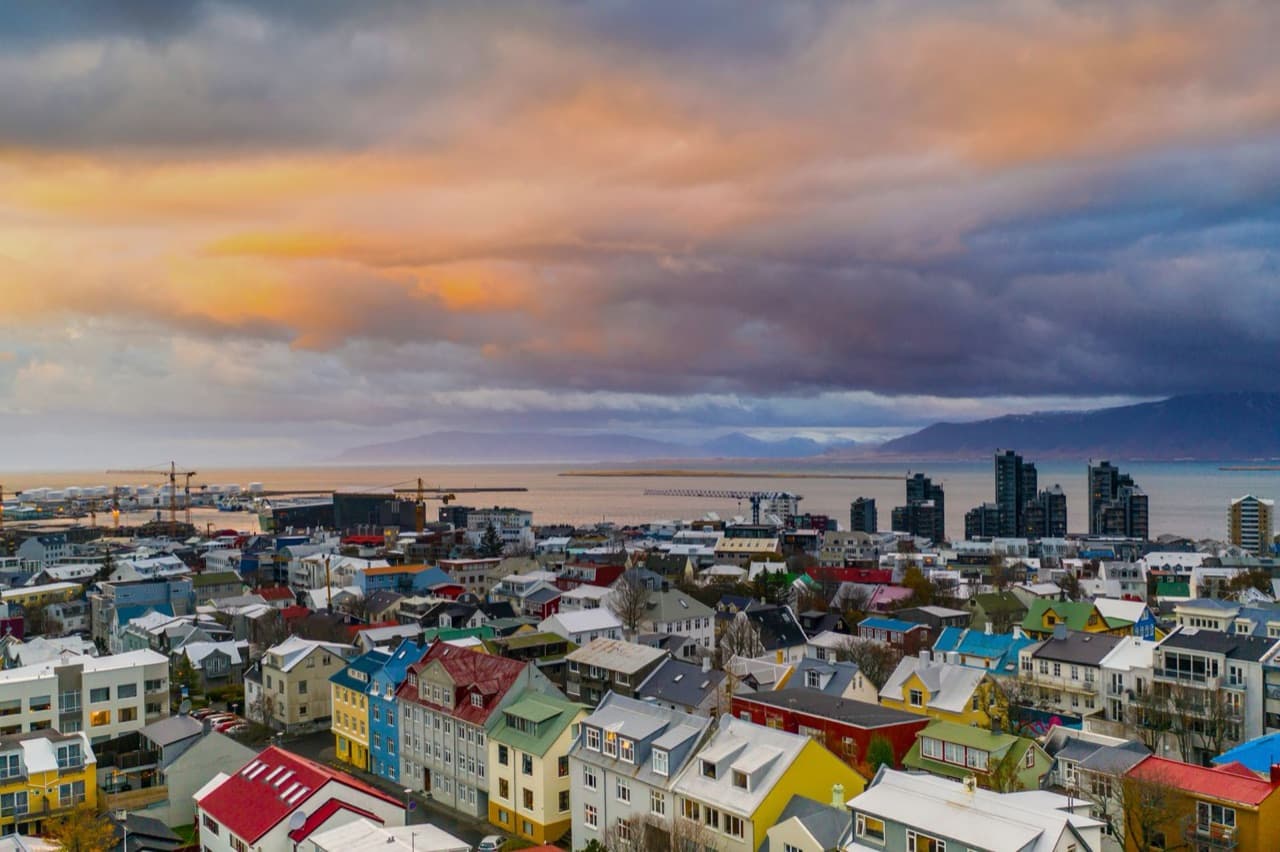
Reykjavik is Iceland's capital and largest city, and most guided day tours depart from or near the city center. Many of Iceland's most visited natural attractions lie within a 2 to 3 hour drive of Reykjavik, making them reachable on a single day trip. Popular routes include the Golden Circle, the South Coast, Snaefellsnes, the Reykjanes Peninsula, and whale watching tours from the Old Harbour.
Why Reykjavik makes a natural base for day tours
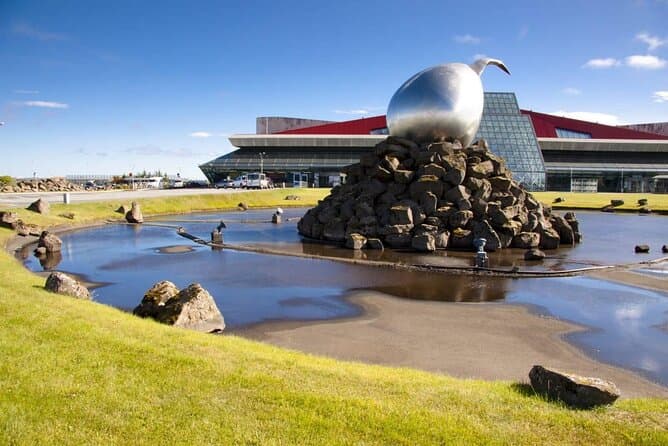
Keflavik International Airport, Iceland's main international airport, sits on the Reykjanes Peninsula southwest of Reykjavik.
The Golden Circle, the classic day trip from the capital
The Golden Circle is a loop route from Reykjavik with three main stops: Thingvellir National Park, the Geysir geothermal area, and Gullfoss waterfall. Visiting only the main attractions covers about 230 kilometers, and adding detours brings the loop closer to 300 kilometers. The route is commonly completed as a day trip taking about 6 to 8 hours.
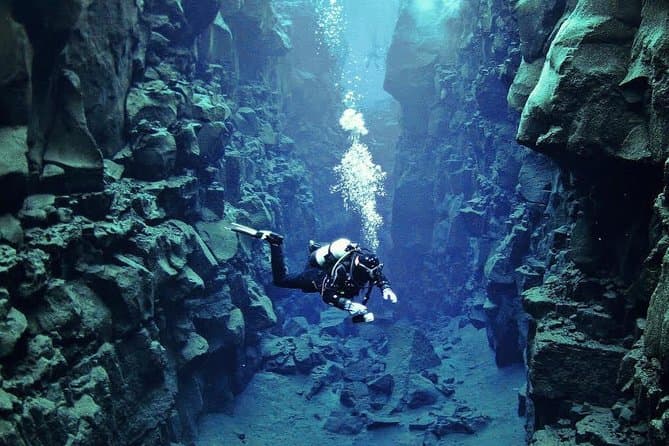
Thingvellir National Park is a UNESCO World Heritage Site in a rift valley between the North American and Eurasian tectonic plates. Iceland's national assembly, the Althing, was founded there in 930. Thingvellir is about 47 kilometers from Reykjavik.
Strokkur, in the Geysir geothermal area, erupts roughly every 5 to 10 minutes, often sending boiling water about 20 meters into the air. Gullfoss is a two-tiered waterfall on the Hvita river that drops about 30 meters into a gorge, about 116 kilometers northeast of Reykjavik.
South Coast waterfalls, black sand and glacier country
The South Coast day tour follows Route 1, the Ring Road, southeast from Reykjavik. Seljalandsfoss is a 60 meter waterfall about 120 kilometers southeast of Reykjavik, known because visitors can walk behind the cascade. Skogafoss is a 60 meter waterfall on the Skoga river about 156 kilometers from Reykjavik. Reynisfjara black sand beach lies about 188 kilometers from Reykjavik near the village of Vik i Myrdal. Reynisfjara is known for dangerous sneaker waves, and visitors are warned to stay well back from the water's edge. Guided glacier walks on South Coast outlet glaciers such as Solheimajokull use crampons and helmets and are done with a certified guide.
Snaefellsnes, Reykjanes and the Blue Lagoon
The Snaefellsnes Peninsula in West Iceland is about 145 kilometers from Reykjavik, roughly a 2 to 3 hour drive. Snaefellsjokull is a glacier-capped volcano at the western tip of the peninsula rising to 1446 meters. Snaefellsnes is often called Iceland in miniature for the variety of landscapes packed into one peninsula.
The Reykjanes Peninsula is a UNESCO Global Geopark and home to the Bridge Between Continents, a footbridge spanning the rift between the North American and Eurasian plates at Sandvik. The Blue Lagoon is a geothermal spa set in a lava field about 5 kilometers from Grindavik on the Reykjanes Peninsula, about 20 kilometers from Keflavik International Airport and roughly 45 minutes by car from Reykjavik. Blue Lagoon water is kept at a comfortable temperature of about 37 to 40 degrees Celsius year round.
Whale watching, northern lights and planning your driving distances
Whale watching tours from Reykjavik leave from the Old Harbour and cruise the waters of Faxafloi bay. The species most commonly seen on these tours are minke whales, humpback whales, white-beaked dolphins, and harbour porpoises. Reykjavik whale watching tours typically last about 2 to 3 hours. The best season for whale watching in Iceland runs from April to October, with peak sightings from June through August. Puffins gather on the islands of Faxafloi bay in summer.
Northern lights tours run in the darker months, roughly September to April, and depend on clear, dark skies away from city light. Driving distances and times differ widely between day tour routes, so estimating each route in advance helps set a realistic plan. Use the Driving Distance Calculator to help plan your trip.
Comparing day tours and booking from Reykjavik
You can compare Reykjavik tours to see the current options.