Iceland is a Nordic island country in the North Atlantic Ocean with a total area of 103125 square kilometers and a population of 394,324 on 1 January 2026. In summer, Iceland has nearly 24 hours of daylight from June through early July. In winter, especially from November to January, daylight is limited to about 4 to 5 hours per day.
Getting your bearings: geography, seasons and daylight
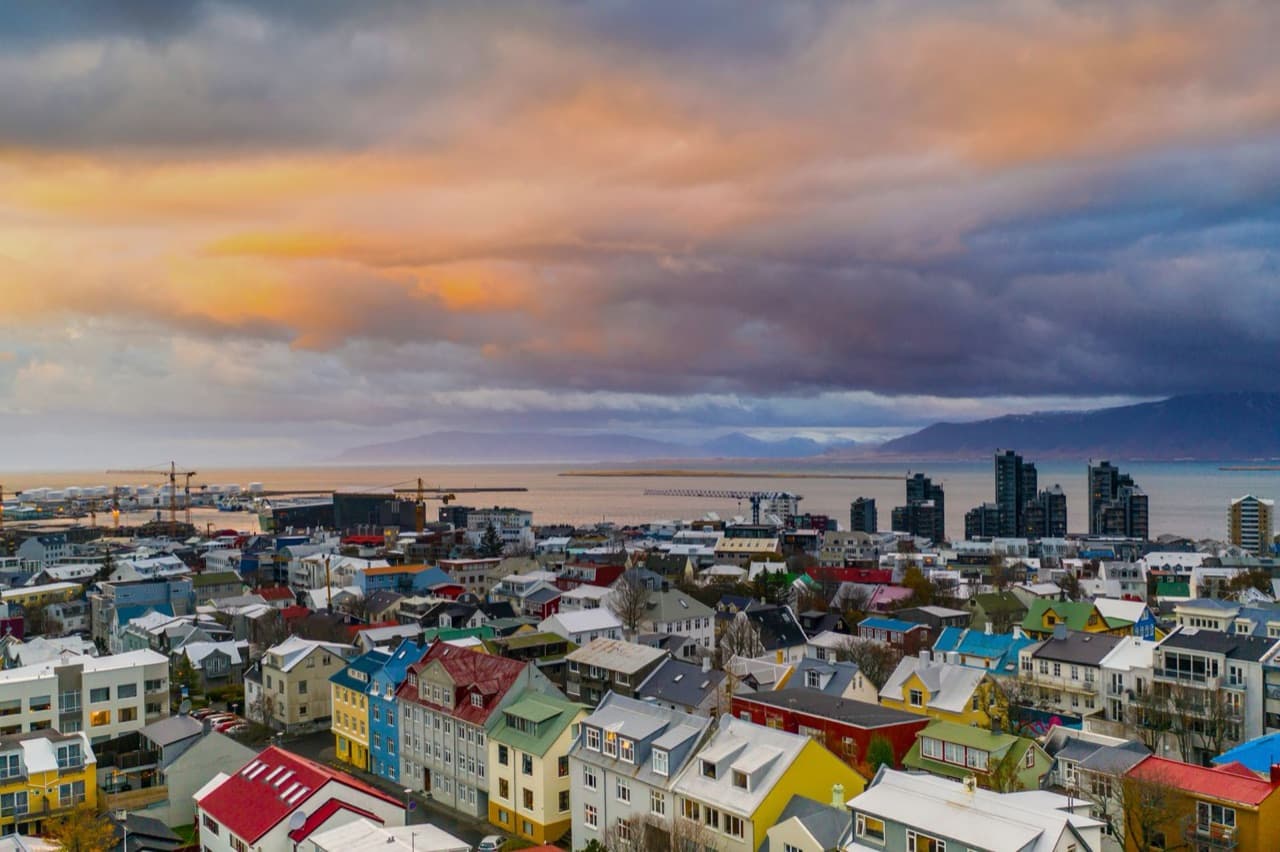
Iceland is positioned on the Mid-Atlantic Ridge. Iceland has approximately 30 active volcanic systems. Water and glaciers cover 14.3 percent of Iceland's surface. Reykjavik is the capital and largest city, and Icelandic is the official language. The municipality of Reykjavik had a population of 139,804 on 1 January 2026, and the city itself 138,753. The Capital Region, which includes Reykjavik and six surrounding municipalities, had a population of 251,912 on 1 January 2026. The midnight sun gives Iceland nearly 24 hours of daylight from June through early July.
The Iceland map shows Iceland's regions, towns and sights, the F-roads, and the drive time to each place from Reykjavík.
Arriving at Keflavik and getting around the country
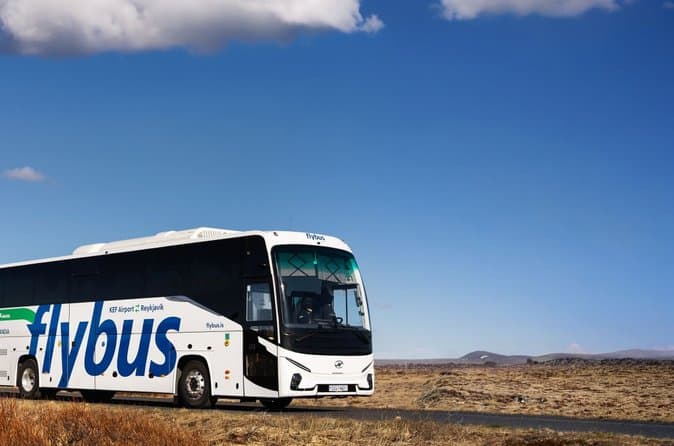
Keflavik International Airport is Iceland's main international gateway, around 50 kilometers from Reykjavik. The drive from Keflavik Airport to Reykjavik takes around 45 minutes. Iceland drives on the right side of the road. Icelandic law requires all vehicles to keep their headlights on at all times while driving, day and night. Route 1, the Ring Road, is more than 1,300 kilometers long and circles the whole country. The Ring Road was completed in 1974 and connects many popular attractions along its route.
What to pack for Iceland's changeable weather
Layering for cold, wind and rain applies across seasons in Iceland. Waterproof clothing matters in rain and sturdy footwear matters on uneven ground. Use the Packing List to help plan your trip.
Money, water, safety and other practical essentials
Iceland is one of the most cashless countries in the world, with credit and debit cards accepted almost everywhere, including small towns and parking meters. Travelers should carry a card with a 4-digit PIN. Icelandic tap water is safe to drink directly from the tap even in remote areas. Hot tap water may smell of sulfur due to geothermal heating, but it is safe. Most Icelanders speak English fluently, as it is taught as a second language. The emergency number in Iceland is 112, connecting to police, fire, ambulance and rescue services. Iceland drives on the right side of the road in driving in Iceland.
First-timer highlights: the Golden Circle and beyond
The Golden Circle is roughly a 300 kilometer route to Thingvellir National Park, the Geysir geothermal area, and Gullfoss waterfall. Thingvellir National Park sits about 49 kilometers from Reykjavik. At the Geysir area, the Strokkur geyser erupts roughly every 5 to 10 minutes. Nonstop driving time around the Golden Circle is approximately 3.5 hours, but most visitors spend 6 to 8 hours with stops. The Golden Circle follows paved roads and requires no 4WD at any time of year.
Comparing tours and day trips from Reykjavik
You can compare Reykjavik tours to see the current options.