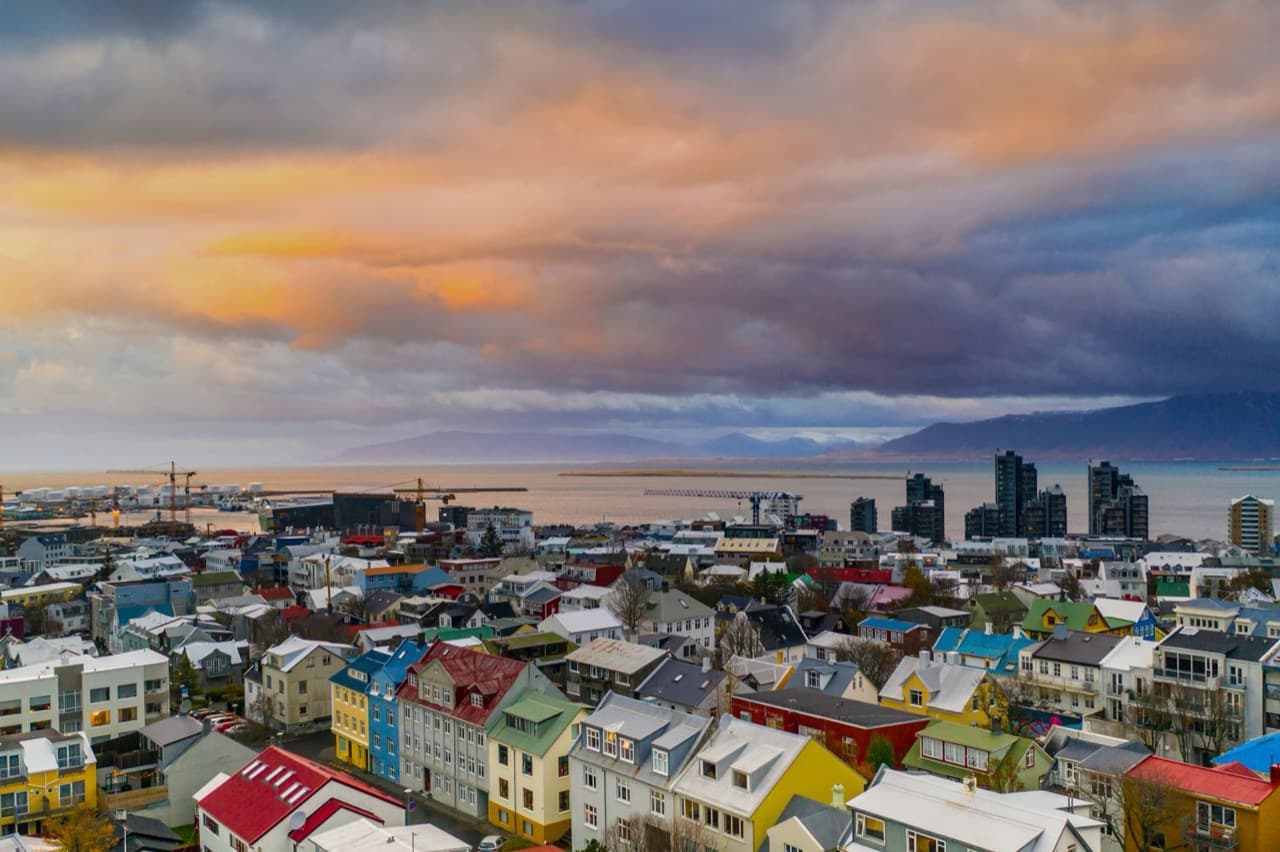
Real use of geothermal heat in Reykjavik began with drilling at the old washing pools, which led to the founding of the city's district heating utility.
Iceland's bathing culture
Geothermal energy heats nearly every swimming pool in Iceland.
Showering without a swimsuit before entering the pool is required at Icelandic public swimming pools.
Reykjavik City operates public swimming pools including Laugardalslaug, Sundholl Reykjavikur, Vesturbaejarlaug, Arbaejarlaug, Breidholtslaug, Dalslaug, Grafarvogslaug and Klebergslaug.
Icelandic swimming pools mark their hot tubs and cold plunge pools with heitur and kaldur.
The City Card includes admission to participating museums and galleries, geothermal pools, city buses in the capital area, and the Videy ferry.
Lagoons near Reykjavik and Keflavik
The Blue Lagoon geothermal spa is in a lava field on the Reykjanes Peninsula, close to the Svartsengi power plant.
The Blue Lagoon is about 50 km from Reykjavik, about a 50 minute drive.
The Blue Lagoon is about 20 km from Keflavik Airport.
Baths and natural pools beyond the capital
There are two natural geothermal pools at the site, named Grettislaug and Jarlslaug.
The Westfjords has a number of easily accessible natural geothermal pools.
The hot natural pools at Drangsnes are on the shoreline in the middle of the village and are easily spotted from the road.
Two natural pools sit at Laugarfell, and according to old folk tales the water is known for its healing powers.
Preparing for a soak
Use the Packing List to help plan your trip.
Wool and synthetic layers are best outdoors, and cotton should be avoided.
The weather in Iceland changes fast and is very unpredictable.
The water at Laugavalladalur can sometimes rise well above comfortable bathing temperature, so it should be tested before anyone gets in.
Comparing tours
You can compare Reykjavik tours to see the current options.