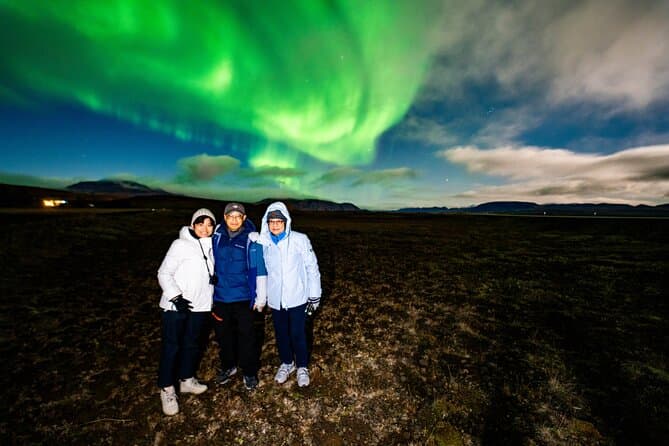
Iceland is one of the best places in the world to experience the northern lights.
How the light changes through the year
Around midsummer, the midnight sun barely sets before rising again, giving daylight well into the night. In the rest of Iceland, the sun sets briefly around midnight in summer. The further north you are, the shorter it stays below the horizon.
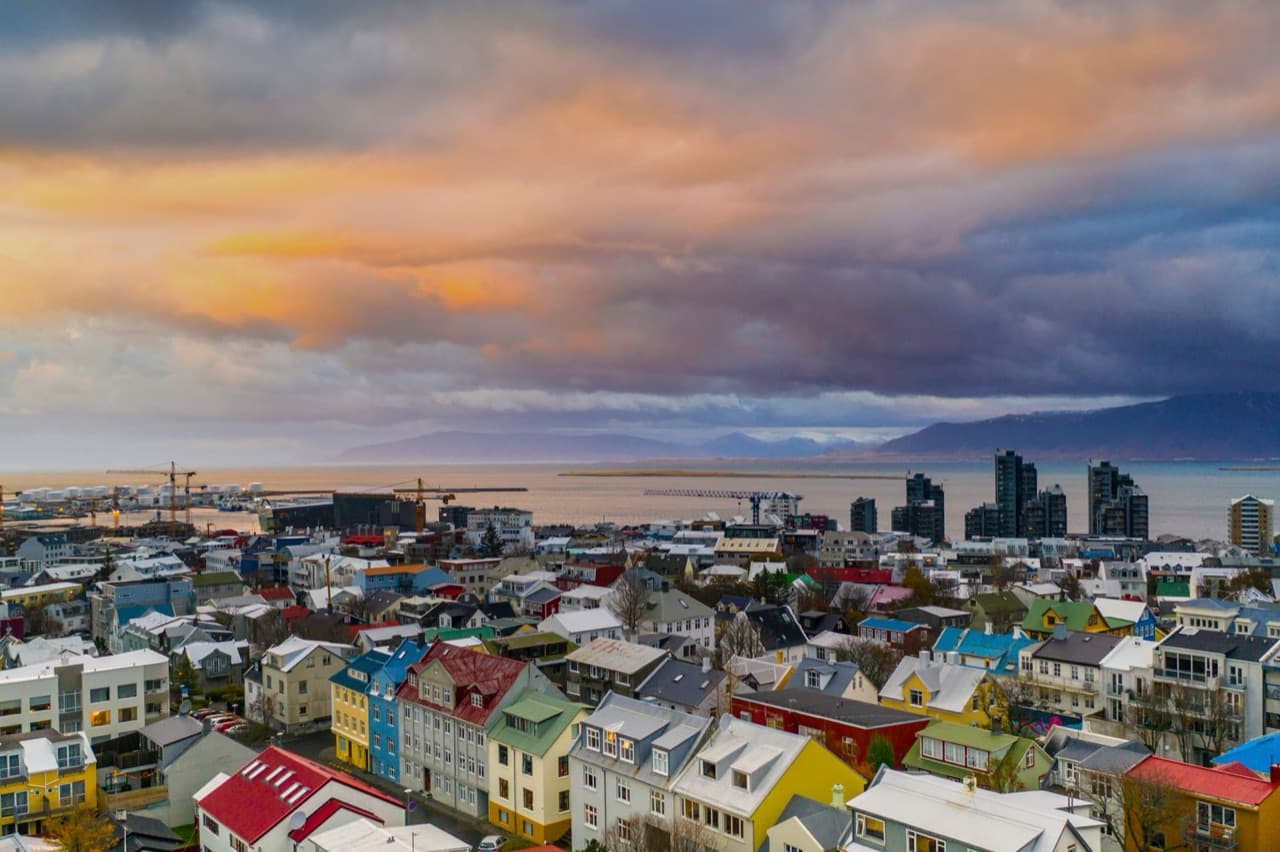
Around the winter solstice, North Iceland gets only a few hours of daylight. In June, the sun is down in Reykjavik for only a few hours.
Use the Daylight Calculator to help plan your trip.
Mountains and waterfalls on the shortlist
Kirkjufell rises 463 metres above sea level by the town of Grundarfjordur. Climbing Kirkjufell is dangerous and is strictly prohibited in winter.
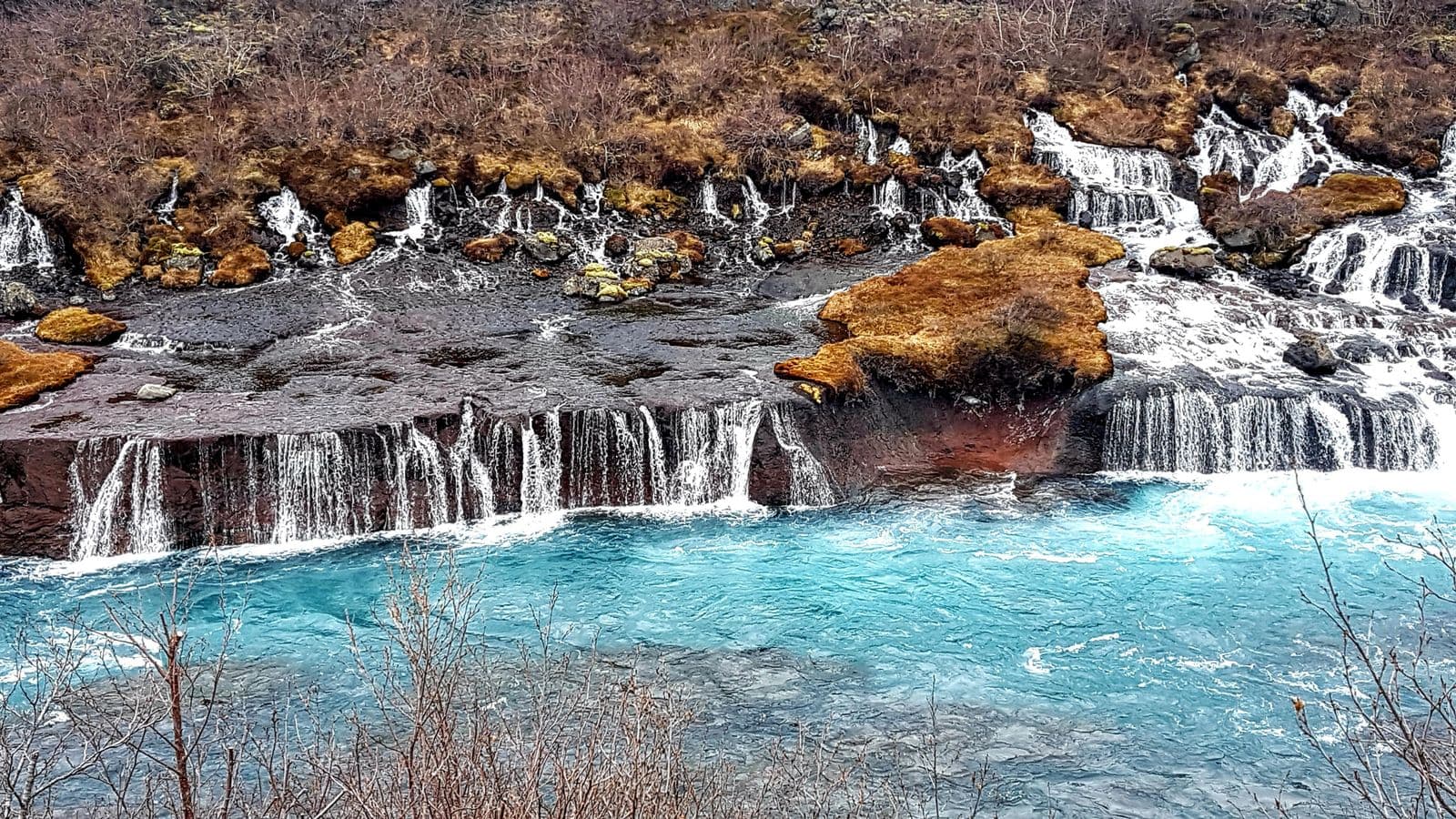
Seljalandsfoss is a South Coast waterfall that visitors can walk behind. Gullfoss drops in two stages into a canyon, and the upper fall is 11 metres. Svartifoss in Skaftafell is framed by thick basalt columns that formed when lava cooled in an old riverbed.
Black sand and glacier ice
Reynisfjara is a black sand beach near Vik where sneaker waves arrive without warning and make the shoreline dangerous.
Jokulsarlon is a glacier lagoon beside the Ring Road inside Vatnajokull National Park. Glacier ice looks blue because layers of snow compress the air out, so the ice becomes transparent and reflects blue light.
Photographing the northern lights
The northern lights can be seen in Iceland between September and April.
Aurora photography uses manual mode with an ISO of 800 or higher, a wide aperture, and an exposure of several seconds. Focus should be set manually to infinity or on a distant object. A tripod is needed for the long exposures that aurora photography uses.
A cable release or the camera's self-timer avoids camera shake during the exposure. Lens filters should be removed because they can distort aurora images. Cold temperatures drain camera and phone batteries quickly.
Shooting safely in Iceland's weather
The weather in Iceland changes fast and is very unpredictable. Drivers should never stop in the middle or at the side of the road for photos and should find a safe place to stop.
Wool and synthetic layers are best outdoors, and cotton should be avoided.
Comparing tours
You can compare Reykjavik tours to see the current options.