Puffins arrive at Iceland's breeding colonies in late April or early May, and the peak viewing season runs from mid-May to late July. Iceland hosts roughly 60 percent of the world's Atlantic puffin population, with an estimated 8 to 10 million puffins nesting along the coast and islands each year. Puffins spend about 8 months at sea before returning to Iceland's coast to breed.
When puffins arrive in Iceland and how the season unfolds
Puffins remain at Iceland's colonies until early September, after which they leave for the ocean.
During the winter months, roughly September to March, they stay far out on the open ocean of the cold northern seas.
At the colonies, puffins are most active early in the morning or later in the evening, and many fly out to sea to fish in the middle of the day.
Use the Daylight Calculator to help plan your trip.
Where to watch puffins around the country
The Westman Islands, or Vestmannaeyjar, off the south coast hold the largest Atlantic puffin colony in the world, with over 1 million birds, mostly on the inhabited island of Heimaey.
The Latrabjarg cliffs in the Westfjords are the largest bird cliffs in Europe and mark the westernmost point of Iceland.
Borgarfjordur Eystri in East Iceland has boardwalks and viewing platforms that let visitors watch puffins closely without disturbing them.
Dyrholaey, a rock arch and promontory near Vik on the south coast, offers accessible clifftop puffin viewing about 2.5 hours from Reykjavik.
Grimsey Island in the north, the only part of Iceland that sits on the Arctic Circle, hosts large puffin colonies.
Boat tours from Reykjavik's Old Harbour visit the nearby puffin islands of Akurey and Lundey as a half-day trip without driving.
What Atlantic puffins look like and how they nest
The Atlantic puffin's scientific name is Fratercula arctica.
Adult birds measure about 28 to 30 cm in length, with a wingspan of 47 to 63 cm, and stand roughly 20 cm high on land.
A puffin's bill turns bright orange-red with a yellow ridge in the breeding season and becomes duller and greyer after it molts in winter.
Each puffin pair lays a single egg per year, usually deep inside a burrow. Puffins dig or reuse burrows on grassy clifftops with tunnels reaching 1 to 3 metres long, and both parents take turns incubating the egg.
Puffins are monogamous, mate for life, and tend to return to the same burrow each breeding season.
Puffins feed almost entirely on small fish such as sand eels, herring, capelin and sprats. A puffin can carry many small fish crosswise in its bill and can dive to considerable depths, staying submerged for up to a minute.
Puffin chicks, known as pufflings, fledge in late summer.
How to watch puffins responsibly and get the best views
Visitors are asked to stay back from burrow edges, which can collapse underfoot.
Keeping to marked paths and viewing platforms keeps the colonies from being disturbed.
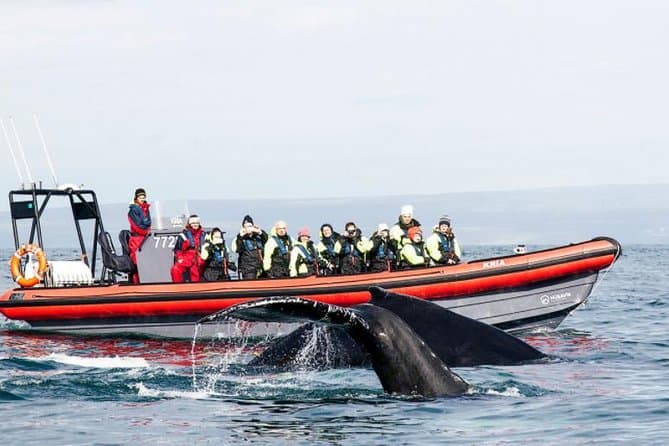
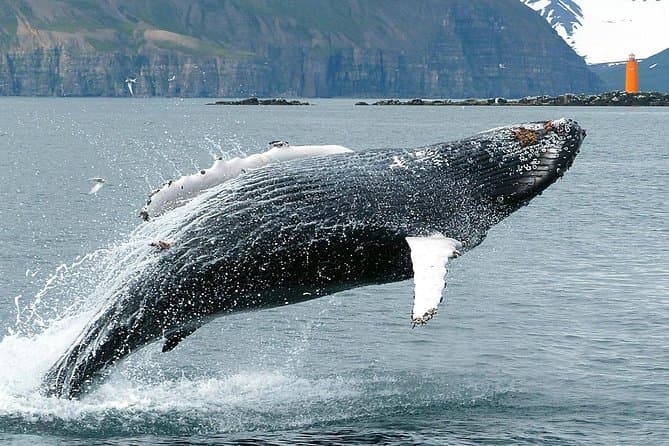
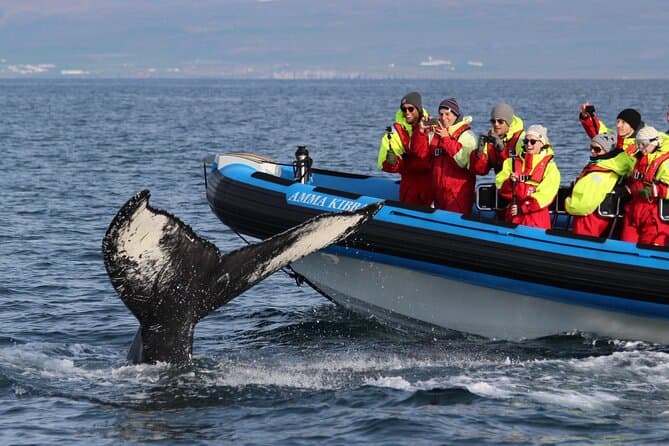
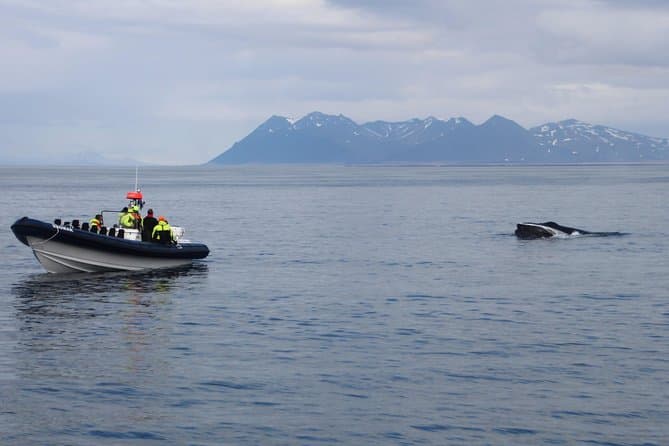
Puffin-watching boat tours commonly depart from harbours and are sometimes combined with whale-watching trips.
Comparing puffin and wildlife boat tours in Iceland
You can compare whale watching tours to see the current options.
Frequently Asked Questions
When should I visit Iceland to see puffins?
Puffins arrive at breeding colonies in late April or early May and remain until early September, with the peak viewing season from mid-May to late July.
Where is the largest puffin colony in Iceland?
The Westman Islands, or Vestmannaeyjar, hold the largest Atlantic puffin colony in the world, with over 1 million birds on the island of Heimaey.
What do puffins eat?
Puffins feed almost entirely on small fish such as sand eels, herring, capelin and sprats.