Reykjavik whale watching tours depart from the Old Harbour, minutes from the downtown area, and boats reach Faxafloi Bay within about 15 minutes. Husavik sits on Skjalfandi Bay in the northeast of Iceland, about 1 hour 15 minutes east of Akureyri, about 458 km from Reykjavik, and the drive takes about 6 hours 45 minutes.
Where each whale watching hub sits and how to reach it
Reykjavik whale watching tours depart from the Old Harbour, known as Gamla hofnin, minutes from the downtown area. Boats from Reykjavik reach Faxafloi Bay within about 15 minutes of leaving the harbour. Husavik sits on Skjalfandi Bay in the northeast of Iceland. Husavik is about 1 hour 15 minutes east of Akureyri. The driving distance from Reykjavik to Husavik is about 458 km. Driving from Reykjavik to Husavik takes roughly 6 hours. Use the Driving Distance Calculator to help plan your trip.
Which whales and dolphins you can expect in each bay
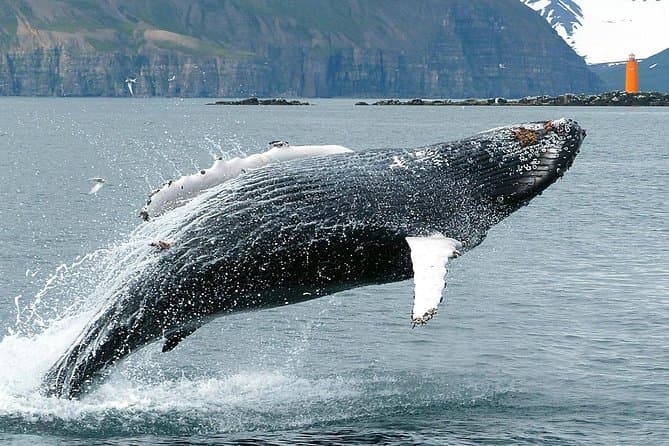
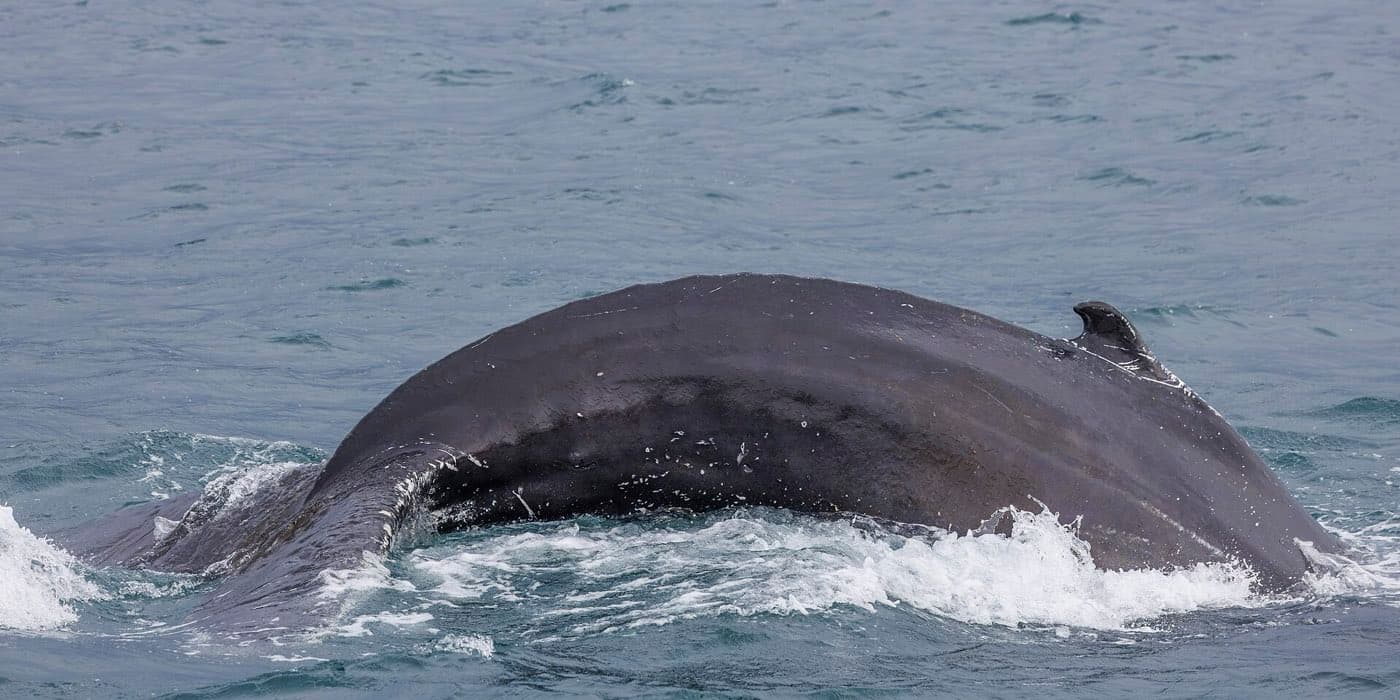
Skjalfandi Bay has recorded more than 20 species of cetacean. The most common species in Skjalfandi Bay are harbour porpoise, white-beaked dolphin, minke whale and humpback whale. Blue whales, the largest animals known to have lived, visit Skjalfandi Bay occasionally, particularly in June and July. In the relatively shallow waters of Skjalfandi Bay, whales tend not to stay submerged for more than 10 minutes at a time. Faxafloi Bay is home to minke whales, humpback whales, white-beaked dolphins and harbour porpoises. Orcas sometimes follow herring into Faxafloi Bay in summer.
Sighting success rates and how the seasons differ
Husavik, on Iceland's north coast, is widely called the whale watching capital of Iceland. Husavik operators report summer whale sighting success rates above 95 percent. Whale watching tours from Husavik run roughly from April through October, peaking in the summer months. Reykjavik offers whale watching year round, with the summer months as the peak season.
Boats, tour style and what the experience feels like
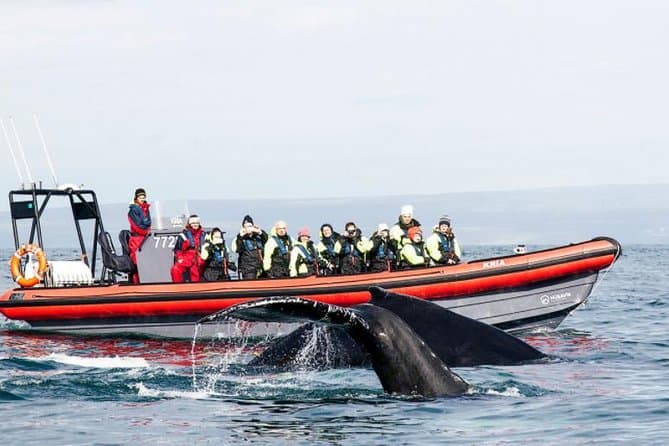
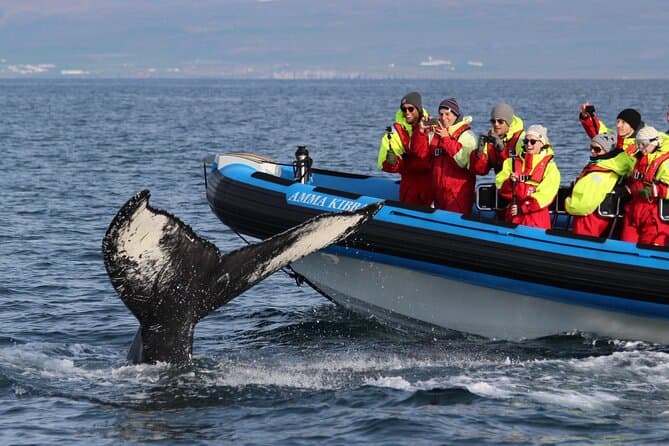
North Sailing began operating from Husavik in 1995 and was the first company to offer organized whale watching tours in Skjalfandi Bay. In 2015, North Sailing became the first company to offer a carbon neutral whale watching tour, using electric and wind power. Husavik operators use traditional Icelandic oak boats and electric-powered schooners, and often serve hot cocoa and Icelandic cinnamon buns on the return trip. Reykjavik operators typically use larger modern vessels, and some run faster RIB speedboats. Whale watching tours from both Husavik and Reykjavik typically last about 3 hours.
How to choose the right port for your trip
Husavik is home to a dedicated whale museum focused on the whales of Skjalfandi Bay. Faxafloi Bay is Iceland's largest bay.
Comparing whale watching tours from both ports
A classic Húsavík whale-watching trip is a useful concrete example to weigh against departures from the capital. You can compare whale watching tours to see the wider options.