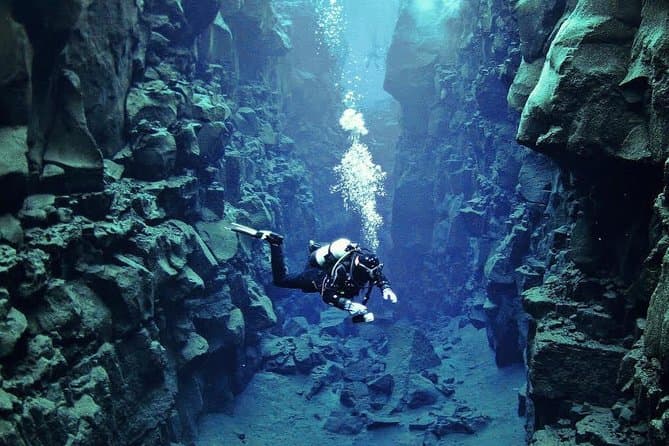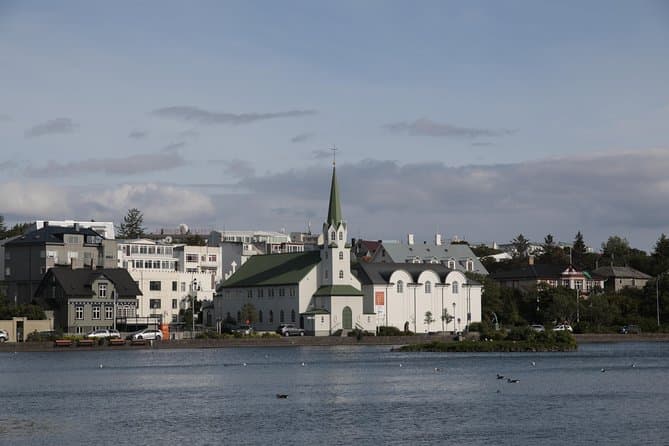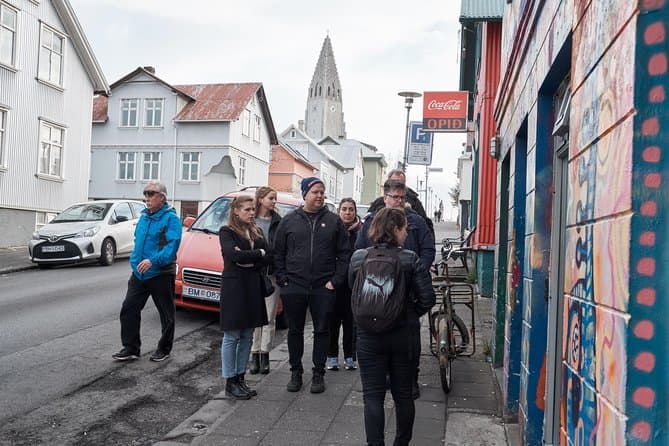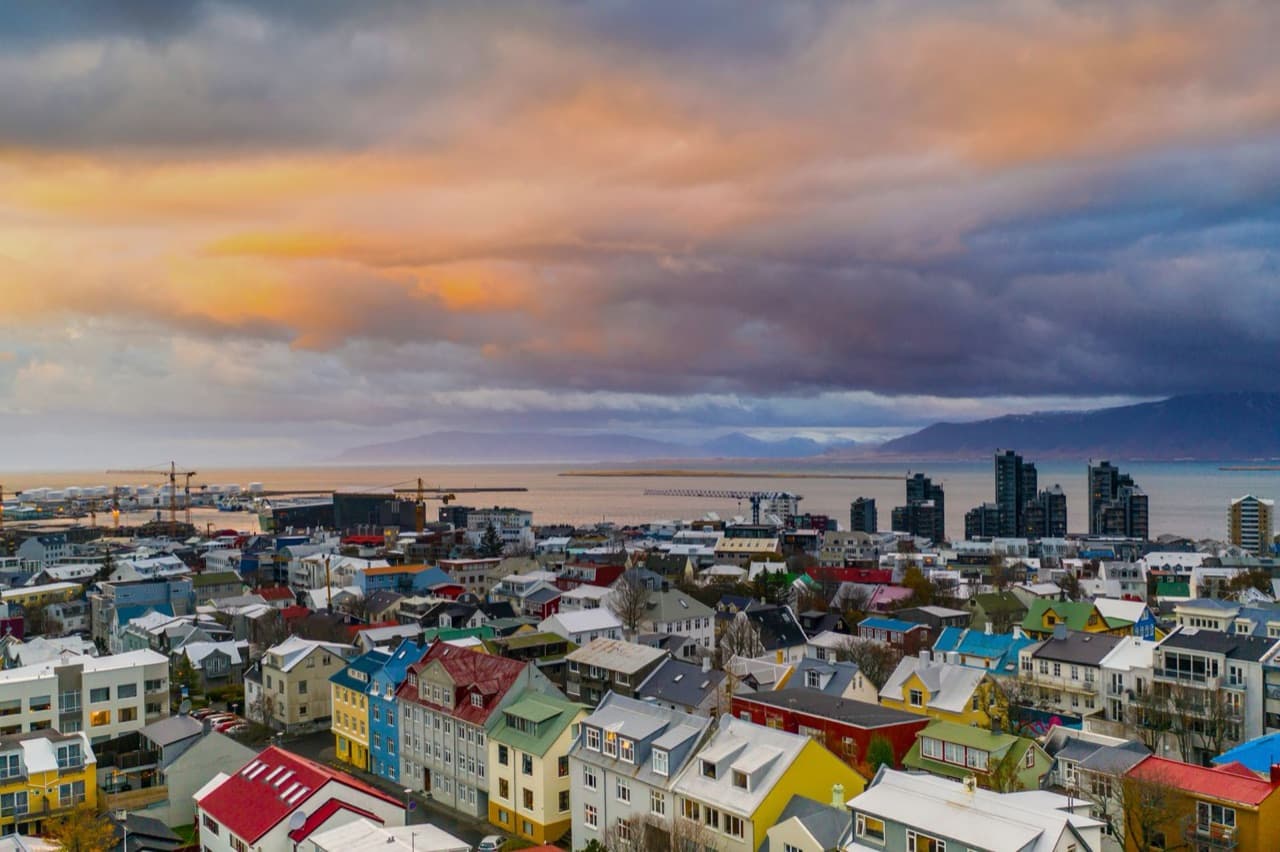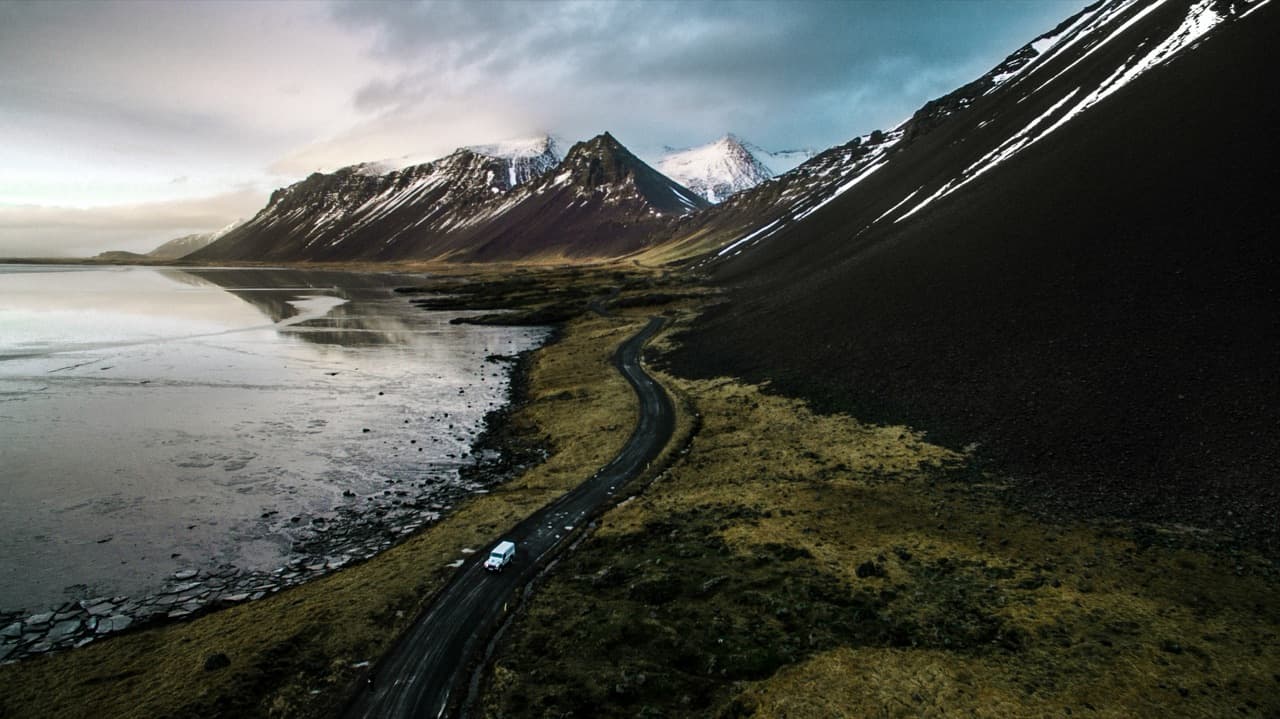
What to pack for Iceland starts with weather that can bring sunshine, strong wind, rain, and cold air within a single day, even in summer. Reykjavik summer daytime temperatures average about 10 to 13 degrees Celsius. Reykjavik winter temperatures average around 0 degrees Celsius.
Why Iceland's weather decides what goes in your bag
Iceland is known for delivering sunshine, strong wind, rain and cold air within a single day, even in summer.
Strong winds mean umbrellas are ineffective in Iceland and are easily turned inside out or destroyed.
The three-layer system that works in every season
The recommended clothing approach for Iceland is a system of 3 layers: a base layer, a mid layer and an outer layer.
The base layer should be a moisture-wicking thermal layer that keeps skin dry.
The mid layer should be an insulating fleece or wool layer that traps warmth without being bulky.
The outer layer should be a windproof and waterproof jacket, ideally paired with waterproof trousers.
Wool and fleece are preferred over cotton because cotton holds moisture and dries slowly.
You can use the packing list tool.
What to pack for a summer trip
Reykjavik summer daytime temperatures average about 10 to 13 degrees Celsius.
On warm summer days temperatures in Iceland can occasionally reach 20 degrees Celsius or higher.
Around the summer solstice in June, Reykjavik can receive close to 21 hours of daylight.
An eye mask helps with sleep during the bright summer nights.
You can read about seasonal daylight in Midnight Sun in Iceland.
What to pack for a winter trip
Reykjavik winter temperatures average around 0 degrees Celsius, and the southern coastal lowlands average about 1 degree Celsius.
On cold winter days temperatures in Iceland can drop to about -10 degrees Celsius.
Around the winter solstice in December, Reykjavik daylight can fall to about 4 hours.
In winter, traction cleats or crampons that slip over boots help on icy paths.
A headlamp is useful in the dark winter months.
You can read what to wear for northern lights.
Footwear, accessories, and the gear travelers forget
Waterproof hiking boots with good grip are recommended year-round for Iceland's varied terrain and icy winter conditions.
A swimsuit is useful year-round for Iceland's geothermal pools and lagoons.
Icelandic tap water is safe to drink, so a reusable water bottle reduces the need to buy bottled water.
The vedur.is site provides detailed weather forecasts and color-coded warnings for Iceland.
The road.is site shows which routes are clear, slippery or impassable and warns of hazards such as strong winds.
SafeTravel lets visitors review alerts and submit a travel plan so authorities know their route before heading into remote areas.
Compare Iceland tours and let operators supply the heavy gear
You can compare Reykjavik tours to see the current options at Reykjavik tours.