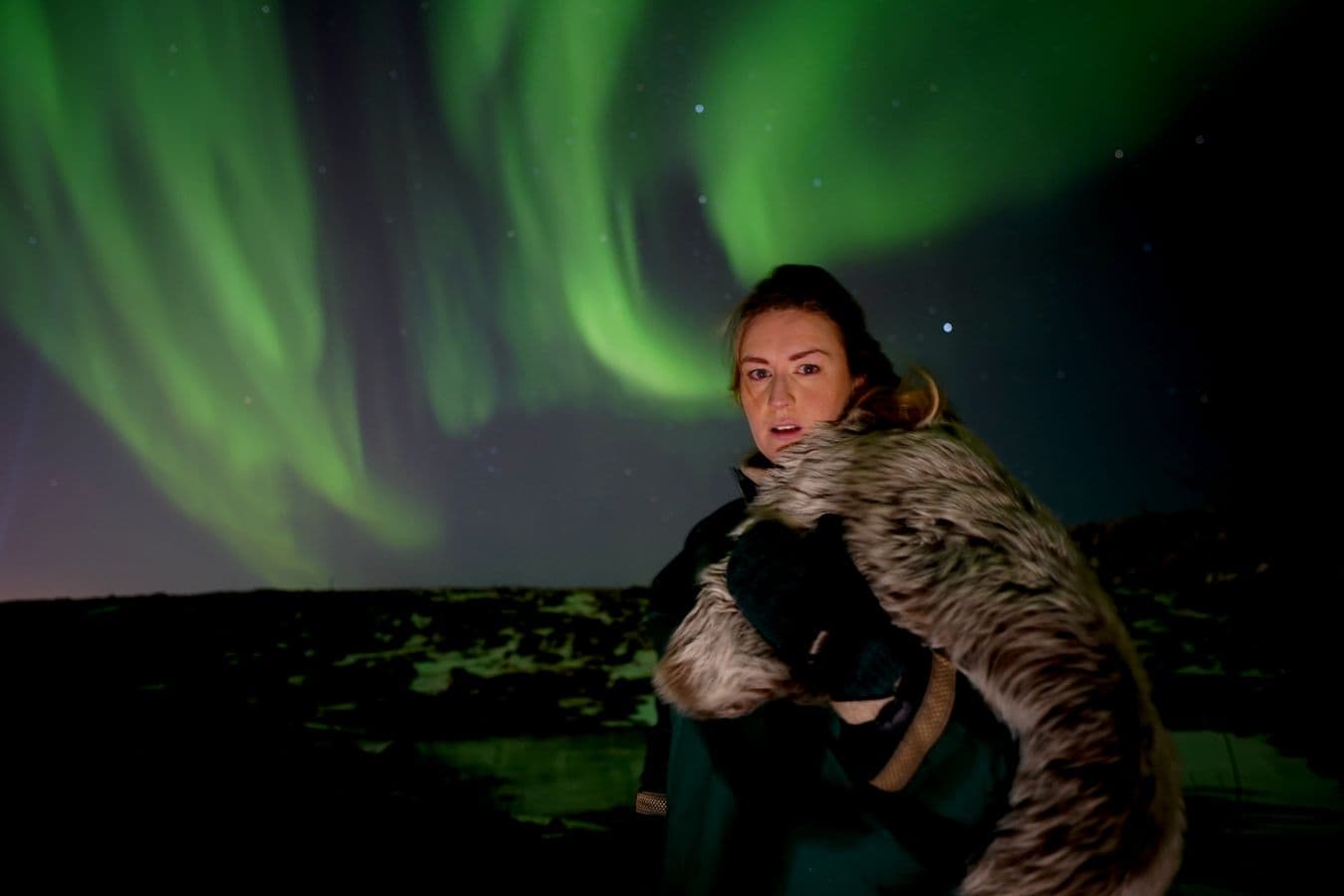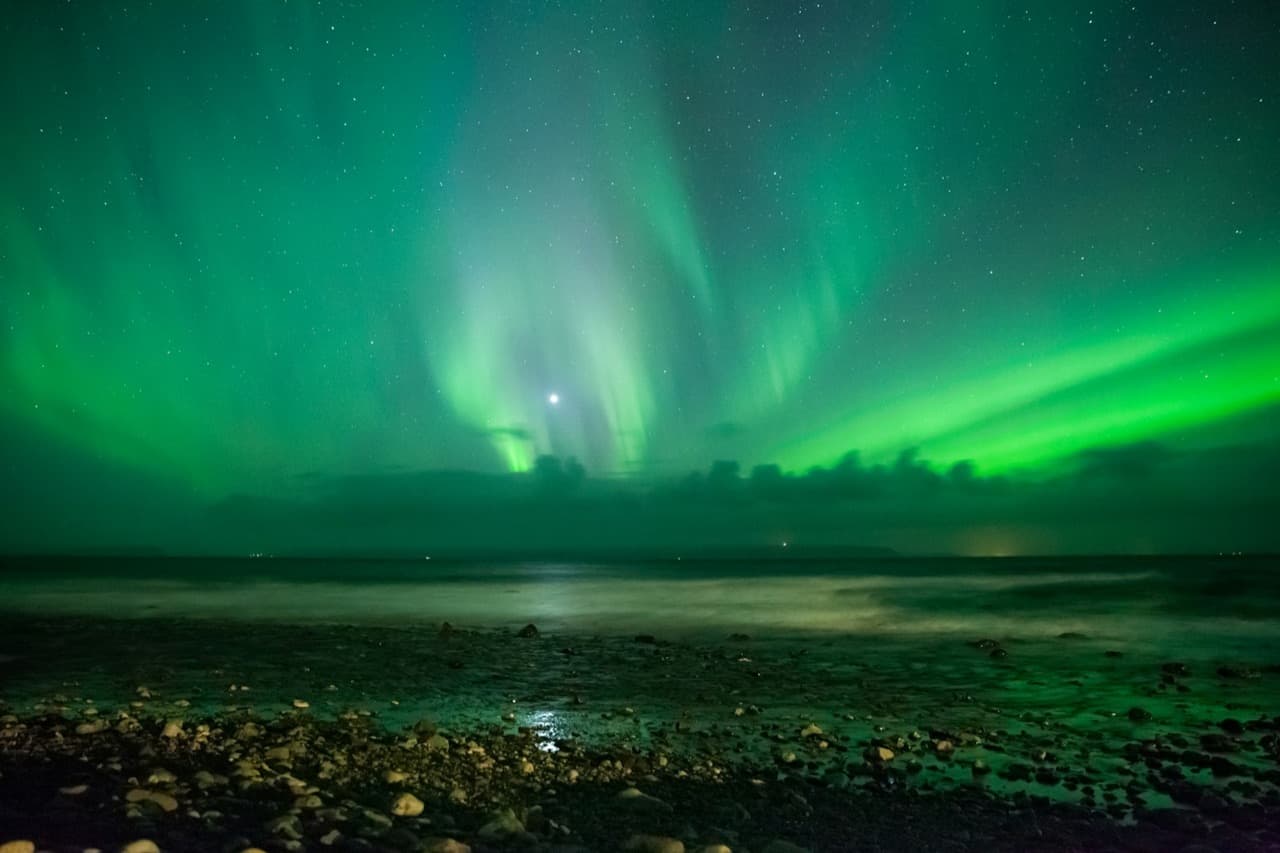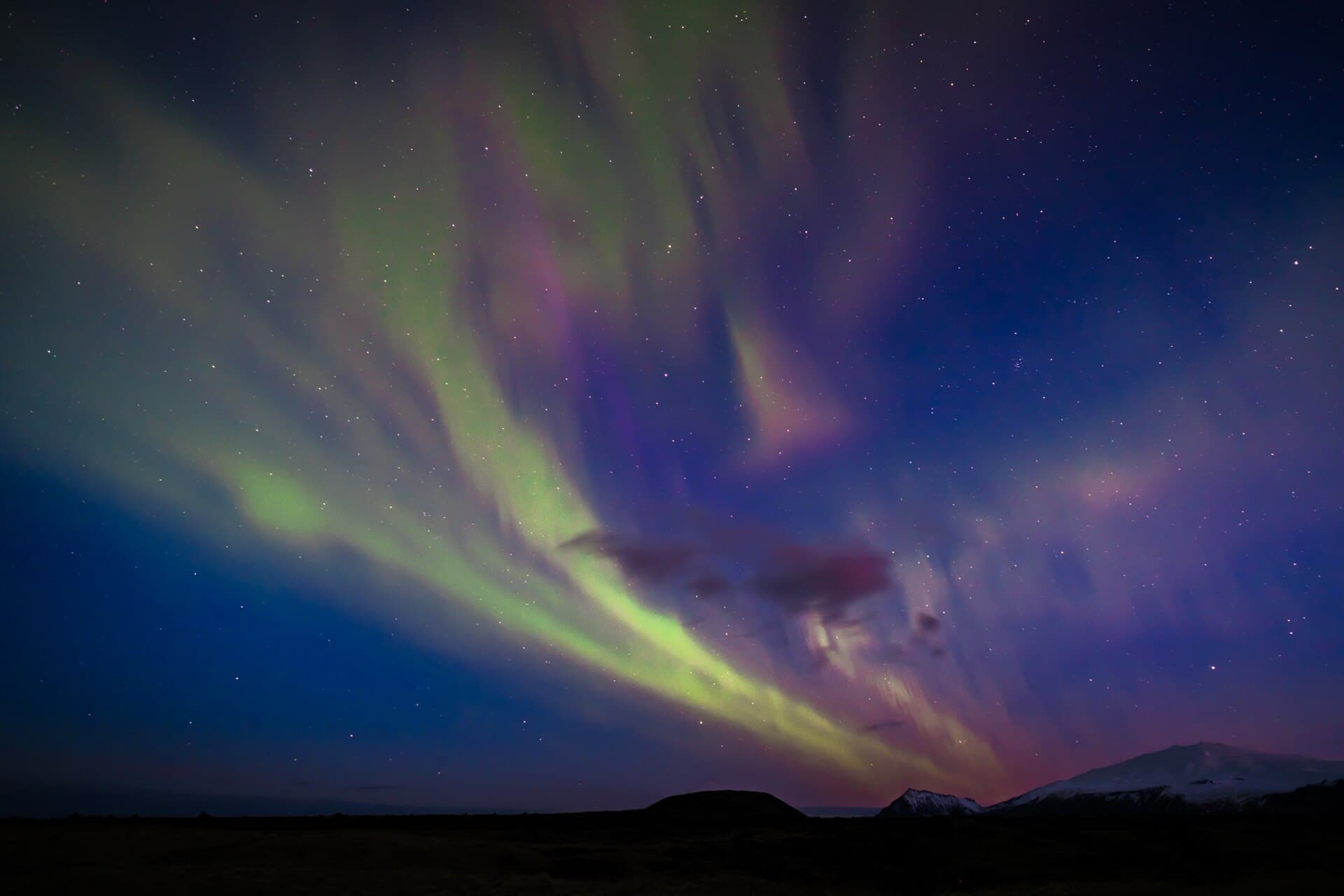
Watching the northern lights means standing still outside at night, often for a long time, in the cold. The aurora season is cold and dark, roughly September to April; see our guide to the best time for the northern lights.
Dressing in layers
Warm layers are important: a thermal base layer, a warm mid layer such as fleece or wool, and a windproof, waterproof outer layer.
Hands, head, and feet
A warm hat, gloves, and thick socks help, since the head, hands, and feet lose heat fastest. Waterproof, insulated boots keep feet warm and dry on snow or wet ground.
Extras for a long, cold wait
Hand and foot warmers can help on very cold nights. A hot drink in a flask makes a long wait more comfortable. Photographers should bring spare camera batteries, which drain faster in the cold. Standing on snow or frozen ground draws heat away, so warm footwear matters. Northern lights photography is useful for photographers too.
Booking a tour and northern lights tours
You can compare Northern Lights tours to see the current options.
Get ready for the day
For a visit or activity connected with the northern lights, the Iceland Packing List is a useful starting point for what to bring.