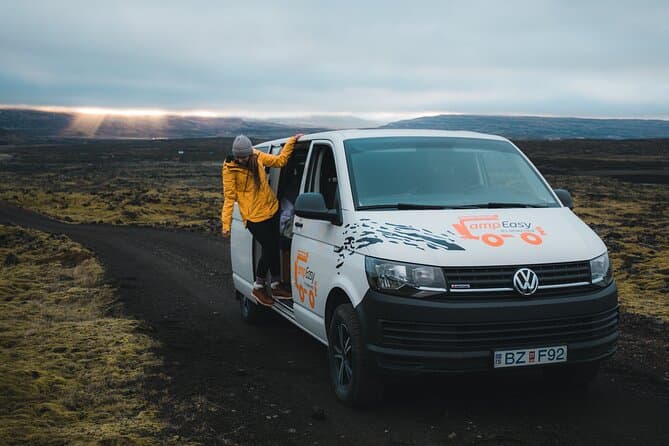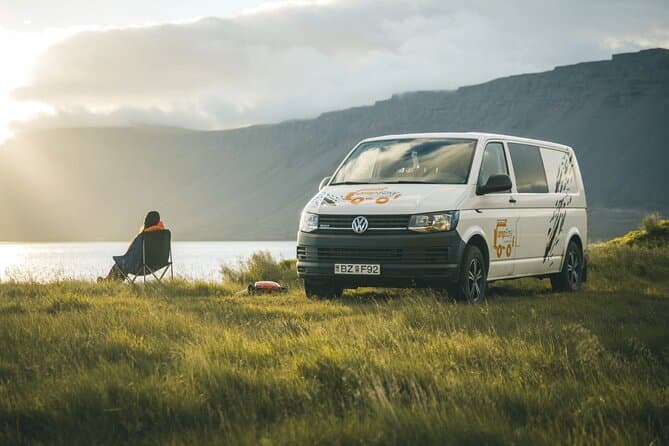
A campervan combines transport and sleeping quarters in a single vehicle, while a rental car separates driving from accommodation booked in hotels, guesthouses, or hostels. Route 1, Iceland's Ring Road, is a paved road roughly 1309 km long and serves as the main touring route for both vehicle types. F-roads open seasonally, usually from mid to late June and closing by early October, and overnight stays in campervans are legal only at designated campsites under Iceland's Nature Conservation Act.
How campervans and rental cars differ as a way to travel Iceland
A campervan combines transport and sleeping quarters in a single vehicle, so travellers drive and sleep in the same vehicle. A rental car separates driving from accommodation: travellers drive during the day and book hotels, guesthouses, or hostels for the night. A campervan bundles nightly accommodation into the vehicle, removing the need to book separate lodging along the route. A rental car with booked hotels or guesthouses offers a heated indoor bed, which is an advantage during cold or windy weather.
Where each vehicle can legally drive on Iceland's roads
Route 1, Iceland's Ring Road, is a paved road roughly 1309 km long that circles the country and is the main touring route for both campervans and rental cars. The general speed limit is 90 km/h on paved rural roads, dropping to 80 km/h on gravel roads and 50 km/h in urban areas. Icelandic law requires all vehicles to keep their headlights on at all times, day and night. Off-road driving is illegal everywhere in Iceland to protect fragile vegetation. F-roads are unpaved mountain roads leading into the highlands, and Icelandic law requires a 4x4 vehicle to drive them. Driving a 2WD vehicle on an F-road voids rental insurance and can result in fines. F-roads open seasonally, usually from mid to late June and closing by early October, depending on snow melt. Use the Road Conditions to help plan your trip.
Where you can sleep and how the camping season shapes the decision
Under Iceland's Nature Conservation Act, overnight stays in campervans, motorhomes, or similar vehicles are only legal at designated campsites unless the landowner grants permission. The rules restricting vehicle overnight stays to campsites were strengthened by amendments to the Nature Conservation Act in 2015 and 2017. Iceland has over 200 registered campsites spread across the country, from Ring Road towns to remote areas. The main camping season runs roughly from June to August, when most campsites are open and the weather is warmest. In summer, Iceland has near 24-hour daylight, which gives campervan travellers long hours to reach campsites.
Matching your vehicle to the season you are travelling
The highlands and their F-roads are closed through winter due to snow and ice. The majority of Iceland's campsites are closed from October to May, and only a handful of lowland sites stay open year-round.
Which option suits your trip, and comparing tours before you commit
You can compare campervan rentals against ordinary car rental partners to price both against each other, or compare Reykjavik tours if you would rather not drive at all.