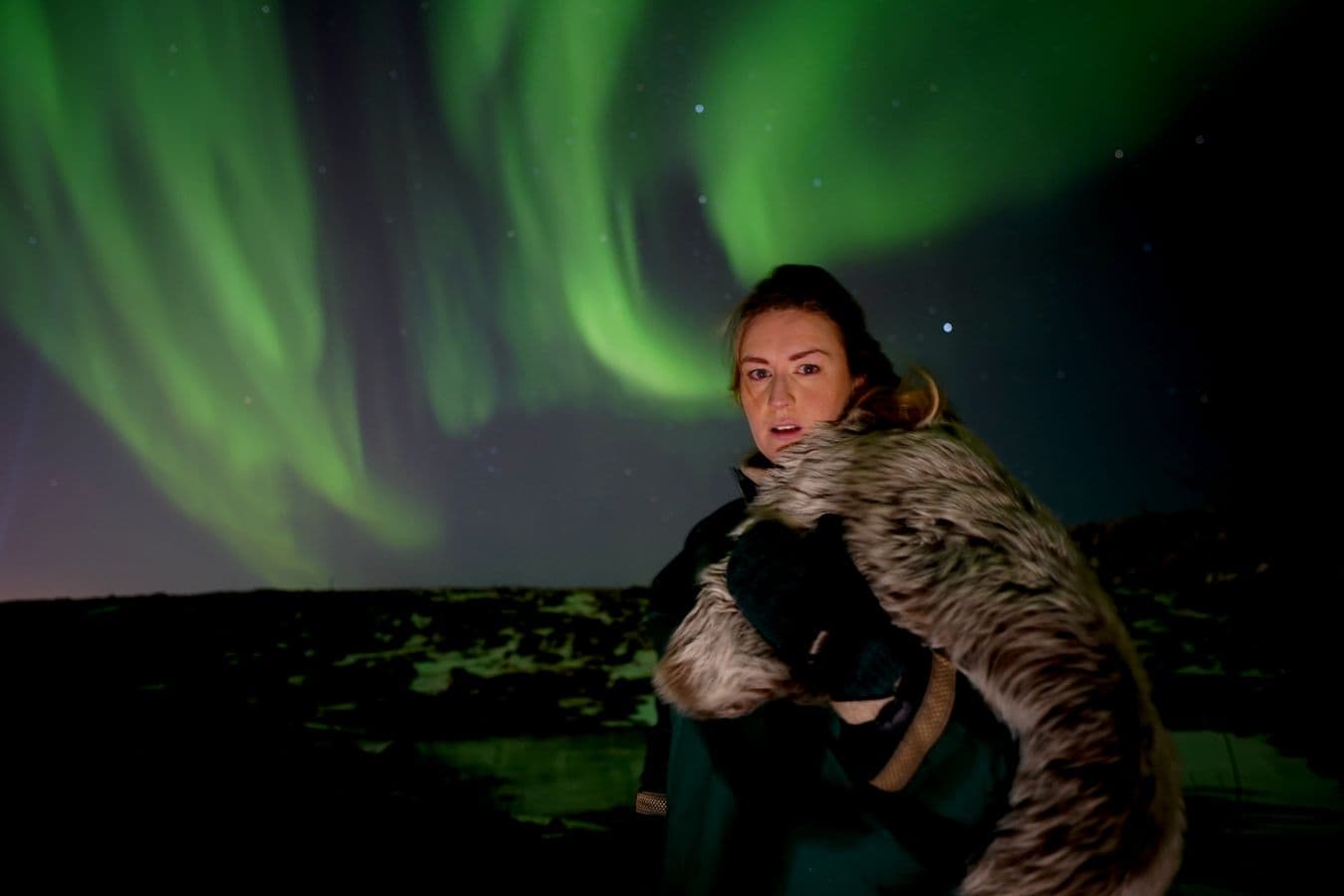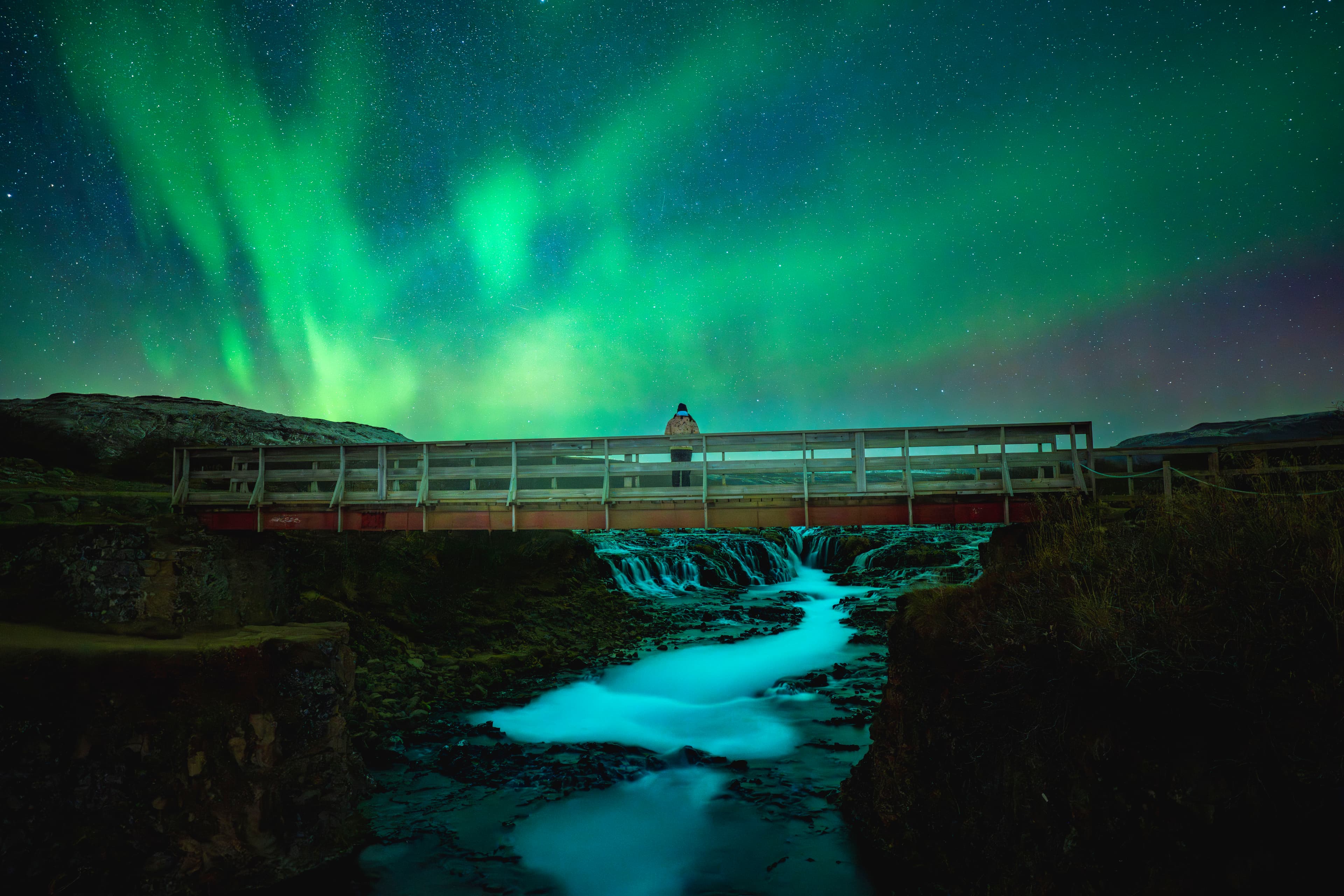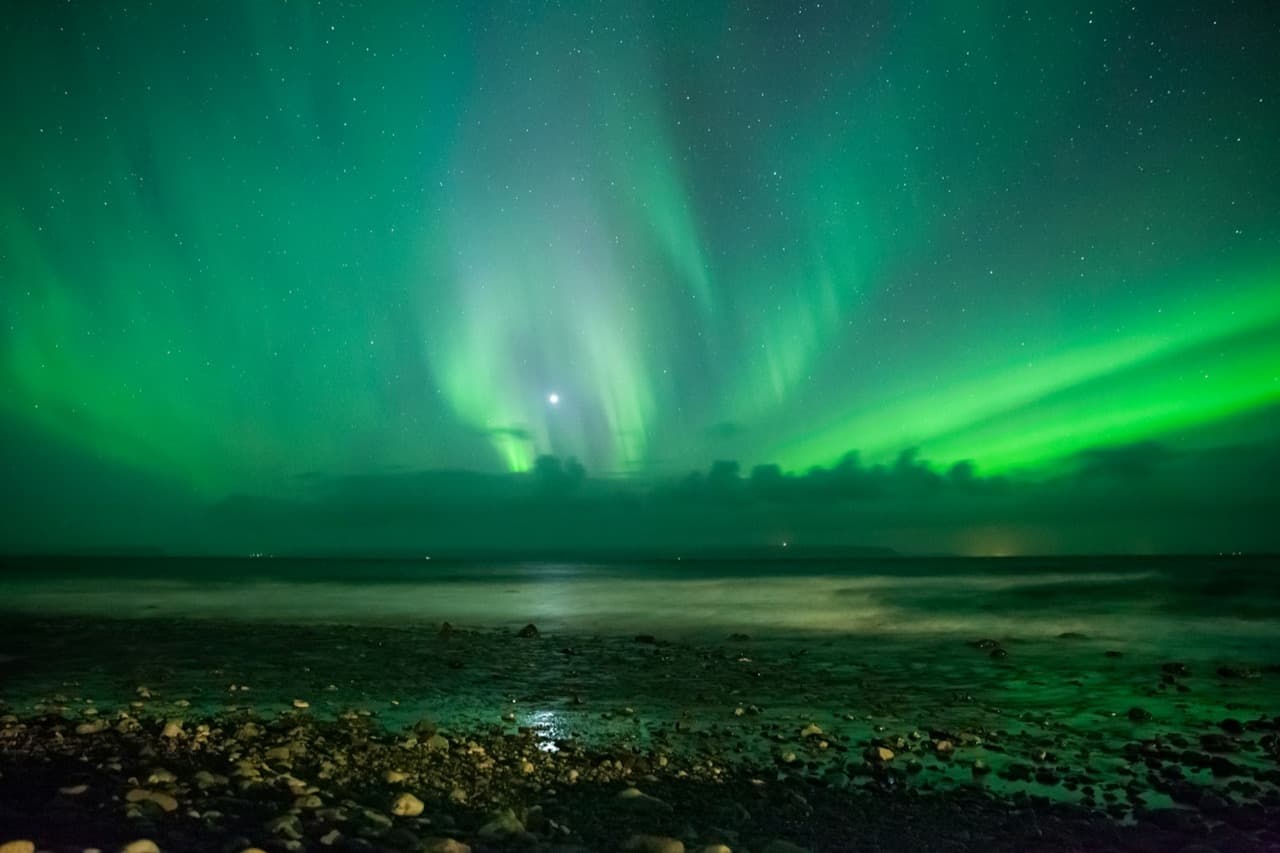
The northern lights are visible in Iceland from roughly late August to mid-April, with the best odds from late September to early March, because you need long, dark nights. Activity is usually strongest in the hours around midnight, roughly between 10pm and 2am, and clear skies matter as much as the aurora itself. This guide covers the best months, the best time of night, and how to read the official vedur.is forecast so you actually catch them. The dark-season timing also shapes when to visit Iceland if the aurora is your priority.
Northern Lights in Iceland at a Glance
Short on time? Here is the quick version.
| Northern lights in Iceland | |
|---|---|
| Season | Late August to mid-April |
| Best odds | Late September to early March |
| Strong months | February, October, March |
| Best hours | Around midnight, roughly 10pm to 2am |
| You need | Darkness, clear skies, geomagnetic activity |
The Aurora Season: Which Months
The aurora is always there; what changes is whether the sky is dark enough to see it. From roughly late August to mid-April the nights are long enough, and the best odds run from late September to early March. In summer, from about May to July, Iceland has near round-the-clock daylight, so there is effectively no chance of seeing the lights no matter how strong the activity.
The Best Months to Go
Within the season, three months stand out for different reasons. February tends to offer the best mix of long dark nights and settled weather. October has the edge on milder weather and easier road access, which matters if you are driving to find clear skies. March gets a lift from the spring equinox, which is associated with stronger geomagnetic activity. Any month in the season can deliver, but these three balance darkness, weather, and access well.
The Best Time of Night
You do not need to stay up all night. Activity is usually strongest in the hours around midnight, and a practical window is roughly 10pm to 2am. The lights can appear earlier or later, so the trick is to be somewhere dark and ready during that window rather than checking once and giving up.
What You Need: Darkness, Clear Skies, and Activity
Three things have to line up. You need darkness, which the season and time of night give you. You need clear skies, since cloud hides the aurora completely, which is why chasing often means driving to a gap in the clouds. And you need geomagnetic activity, the actual solar-driven strength of the display. Getting away from city light pollution helps a faint display stand out.
How to Read the Aurora Forecast
The Icelandic Met Office publishes the forecast most locals use, at en.vedur.is. It shows aurora activity on a 0 to 9 scale overlaid on a cloud-cover map, so you are reading two things at once: how strong the display should be, and whether the sky above you will be clear. Check it in the evening on the night itself rather than days ahead, since cloud forecasts change. You are looking for higher activity and a gap in the clouds over where you plan to stand.
Seeing Them: Self-Drive or Guided Tour
You can chase the lights yourself or join a tour, and both work. Self-driving lets you move to wherever the clouds break, but if you go that route in winter, check road and weather conditions first and give yourself time. A guided tour hands the chasing and the driving to someone who does it nightly, which is why many visitors prefer one. To compare options, see our northern lights tours.
Watch the conditions
Use the Aurora Forecast alongside this guide to the northern lights when deciding whether the night looks promising.