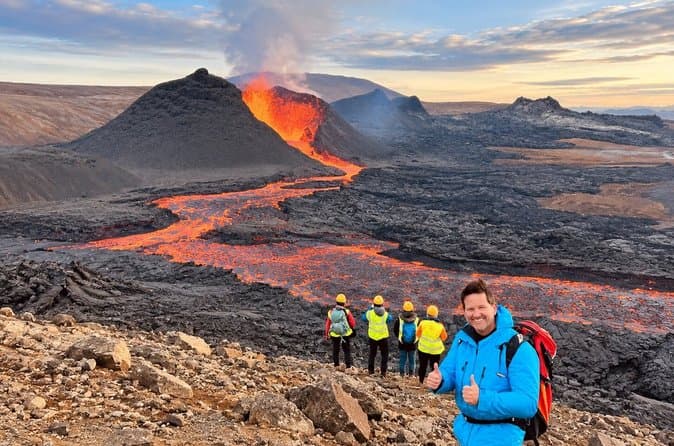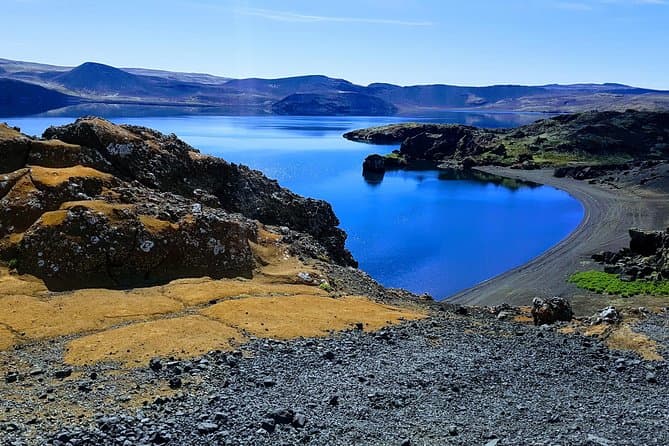
Raufarholshellir is one of Iceland's most accessible lava tunnels.
How Iceland's lava tubes were formed
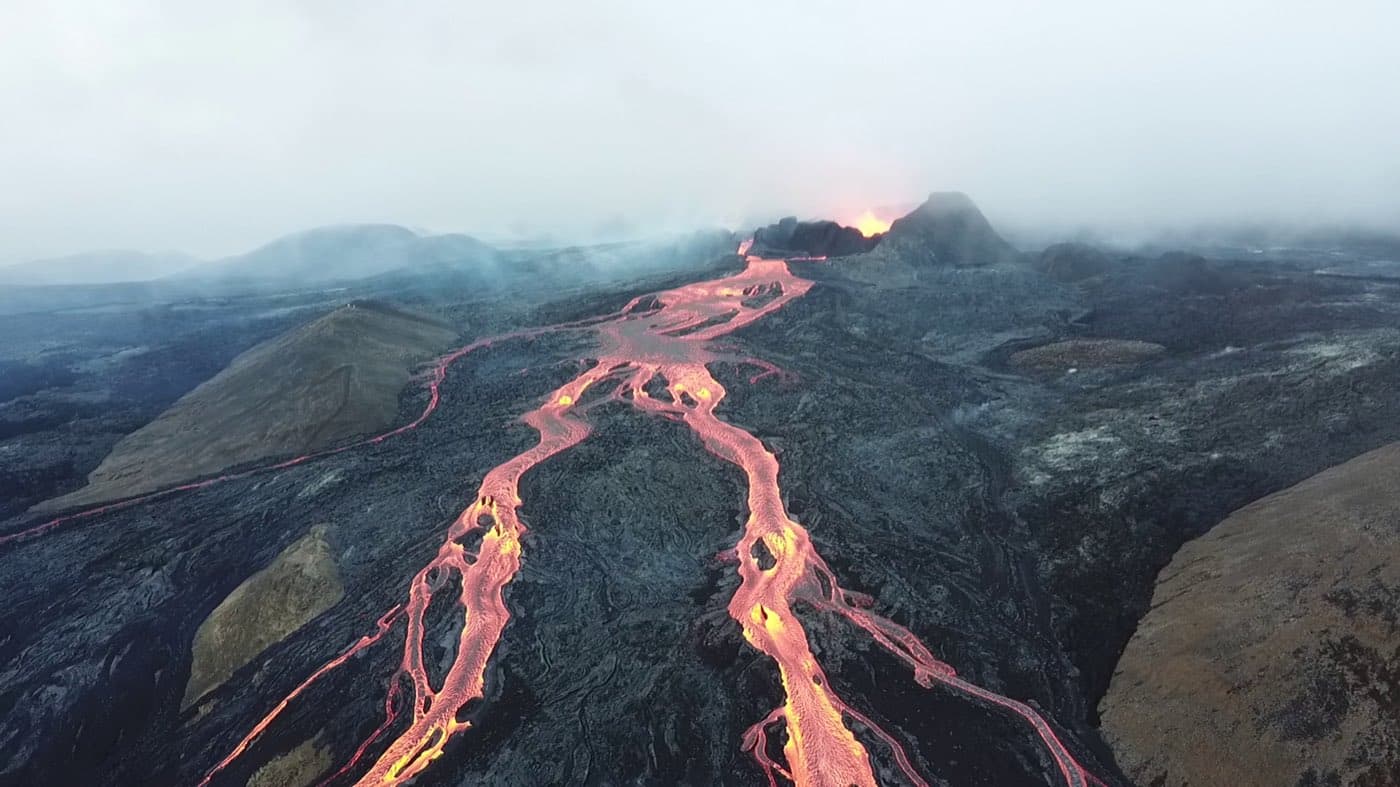
Lava caves are created by lava flowing beneath the surface after a volcanic eruption. Lava caves are rated as globally rare natural features with very high conservation value. Lava caves formed since the end of the Ice Age have special protection under the Nature Conservation Act. Dripstones in caves are protected throughout Iceland.
Raufarholshellir and Leidarendi
Leidarendi is a lava tube in a lava field close to Blafjoll. Raufarholshellir is a lava tube offered on cave tours in South Iceland.
Vidgelmir, Vatnshellir and the permit-only caves
Vatnshellir is a lava tube in Snaefellsjokull National Park, visited only on guided tours, with helmets and flashlights provided.
Vidgelmir in West Iceland is shown on guided tours with a walkway and lighting. Kalmanshellir in Hallmundarhraun needs a permit to enter, and part of it is closed to everyone. The caves at Theistareykir are closed to visitors without a permit from the Nature Conservation Agency.
What a lava cave tour is like and how it differs from ice caving
Some caves in North Iceland may be explored without a guide, while others are visited on guided tours. The coral-like formations in some lava caves are extremely fragile. Ice caves, by contrast, form inside glaciers and must be visited only with professional glacier guides.
What to wear for a lava cave tour
Wool and synthetic layers are best outdoors, and cotton should be avoided. Visit Iceland's clothing advice for the outdoors is layers. Use the Packing List to help plan your trip.
Comparing lava cave tours
You can compare Reykjanes tours to see the current options.