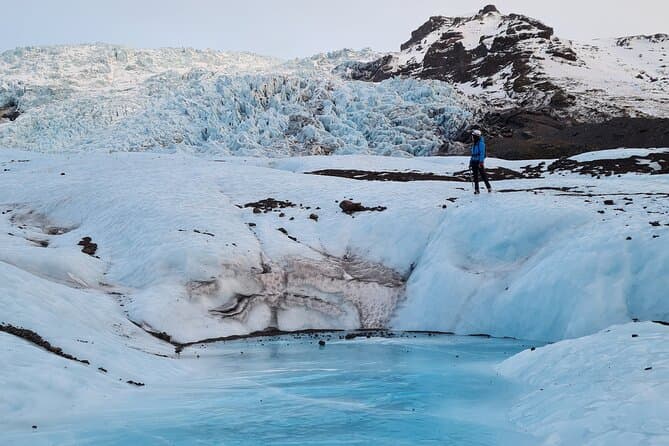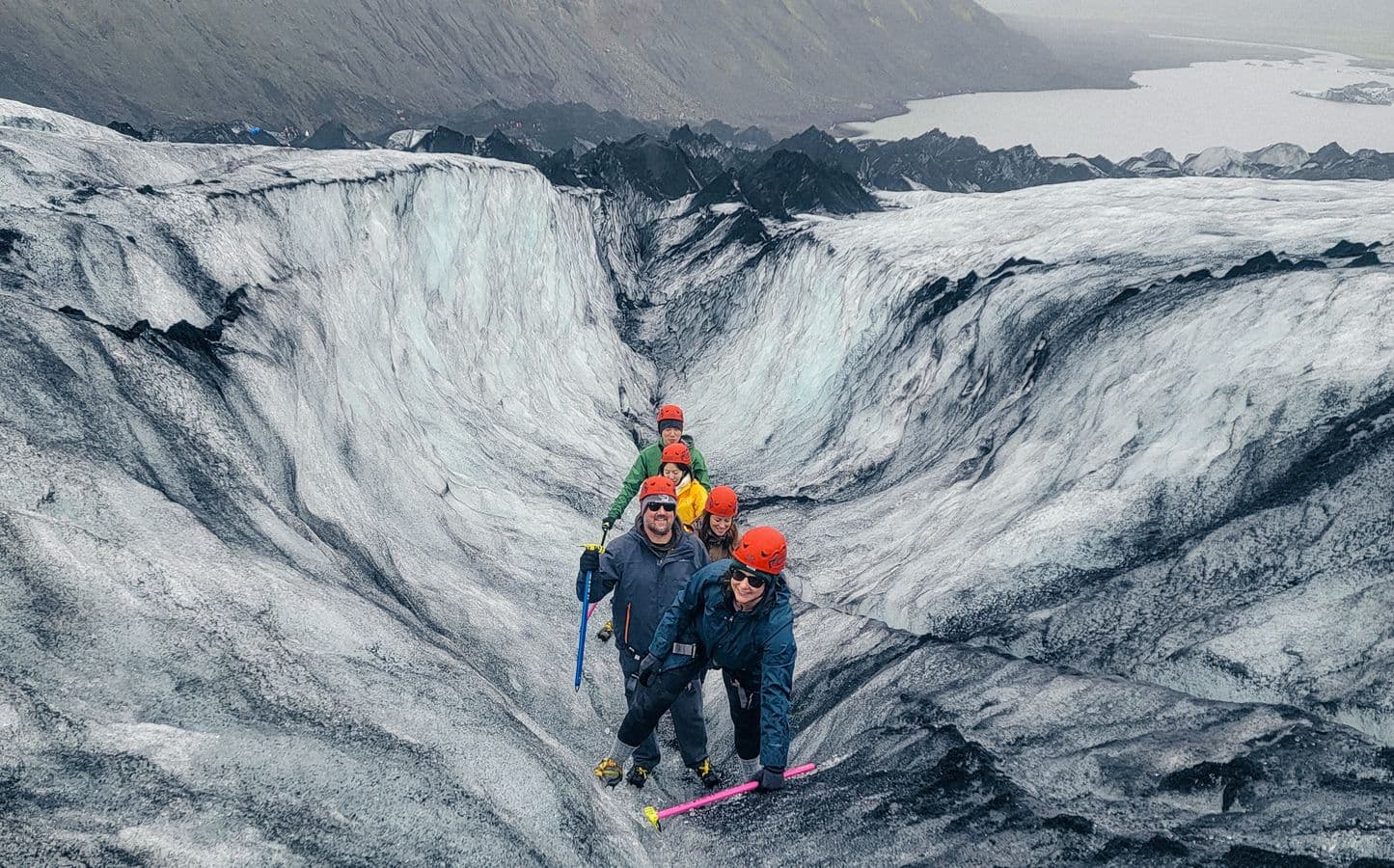
Iceland's natural blue ice caves form inside glaciers such as Vatnajökull, the country's largest glacier, and they are mainly a winter activity that runs from about November to March. Access is guided only, because a certified glacier guide checks conditions each day and picks a cave that is safe to enter. The Katla ice cave near Vík is the main exception and can often be visited year-round.
Ice caves at a glance
The essentials in one view.
| Ice caves in Iceland | |
|---|---|
| Main location | Vatnajökull glacier, southeast Iceland |
| Best season | About November to March; some caves from mid-October |
| Katla ice cave | Near Vík, often year-round |
| Access | Guided tours with a certified glacier guide only |
| Meeting points | Jökulsárlón glacier lagoon; the town of Vík |
| Crystal cave tour length | About 2 to 3 hours |
Where ice caves form in Iceland
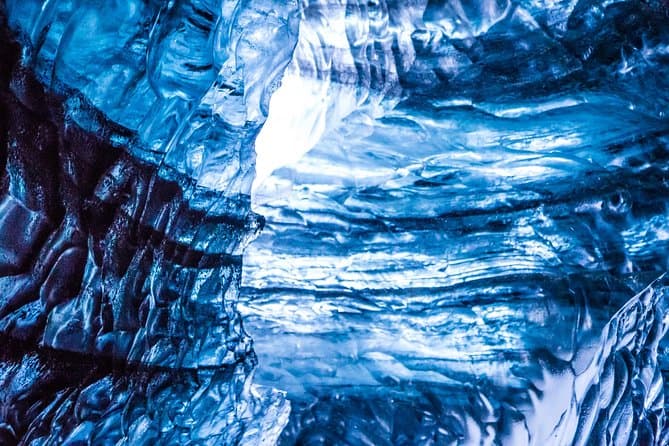
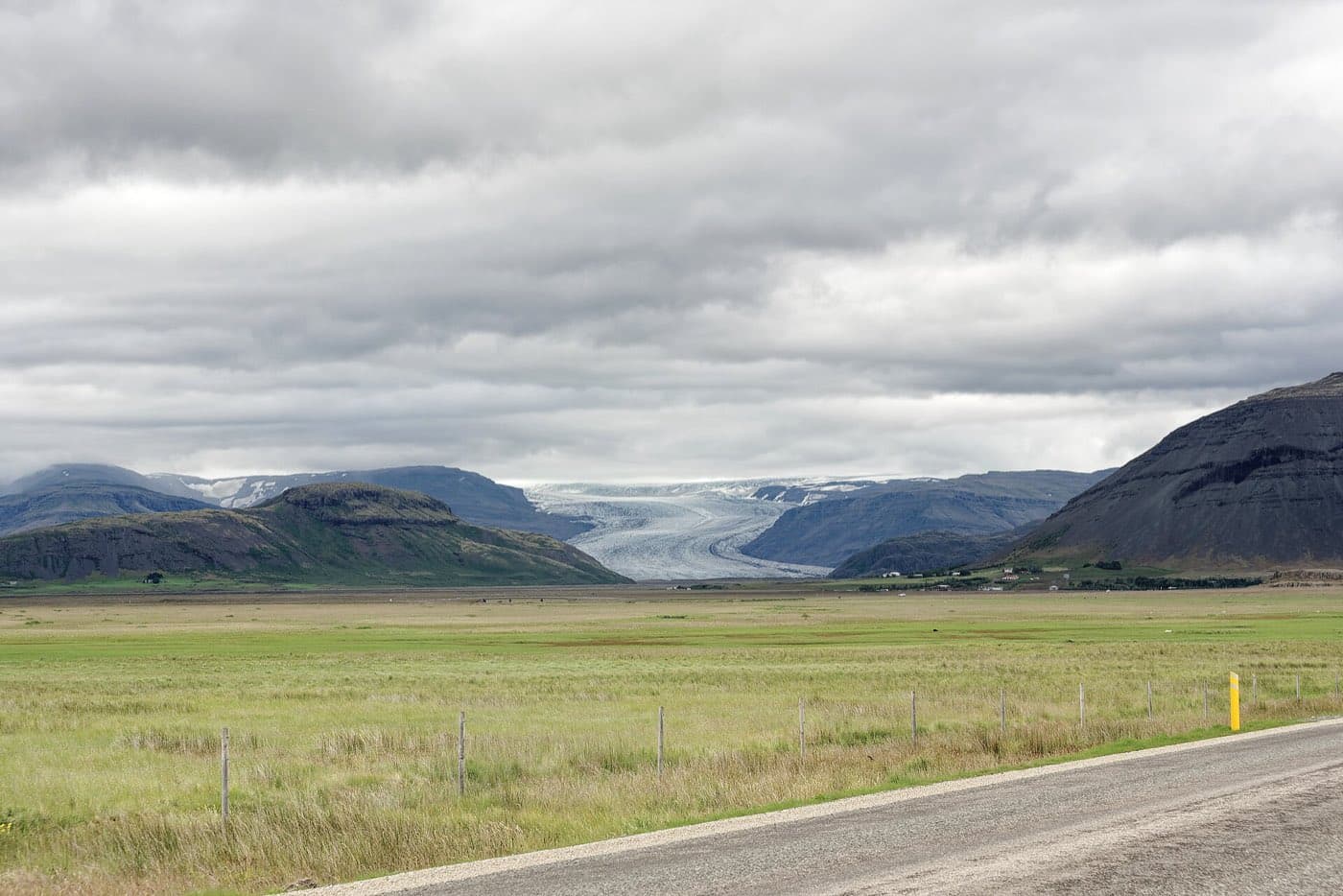
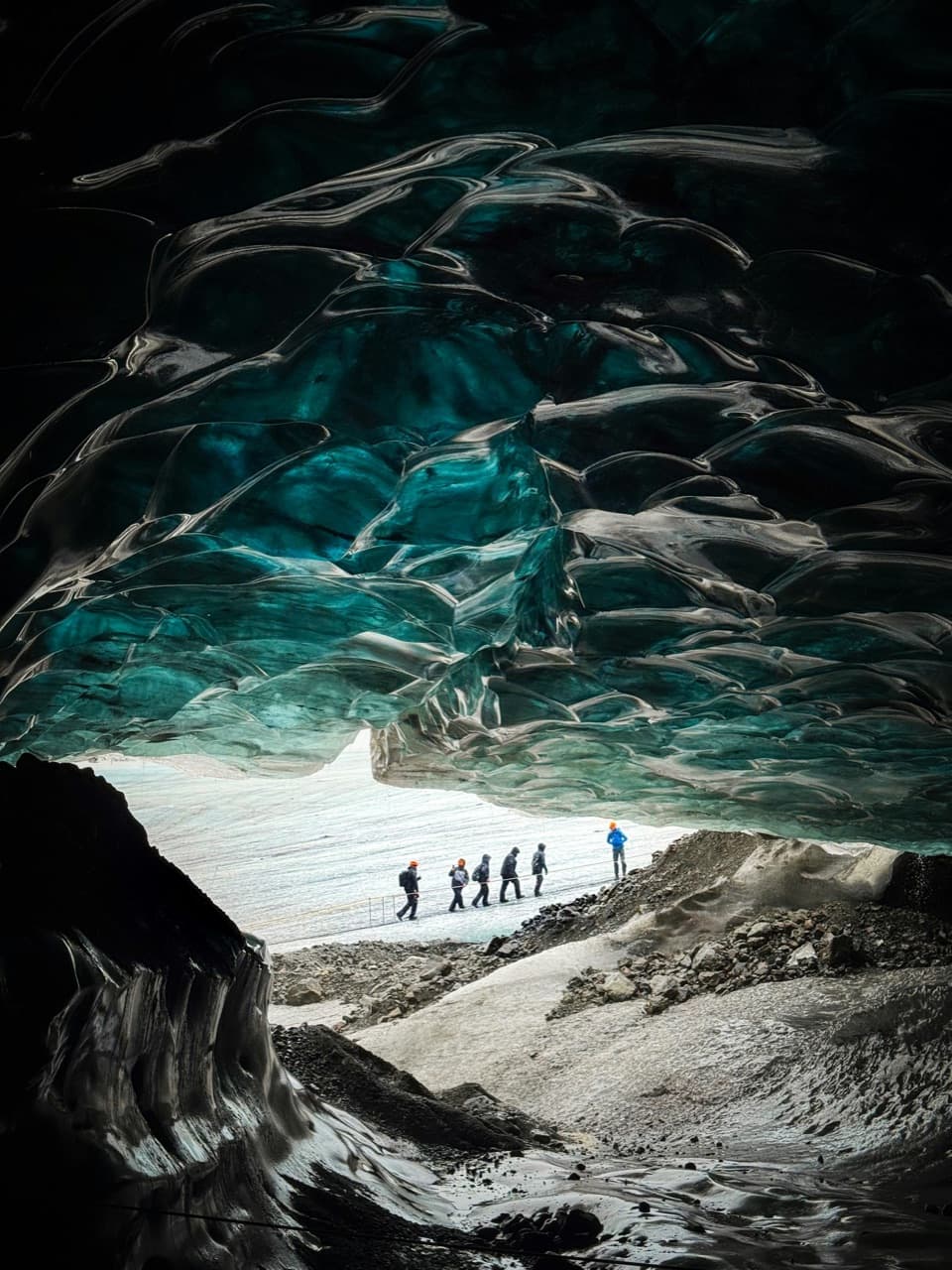
Natural ice caves form inside glaciers, most famously Vatnajökull in the southeast, Iceland's largest glacier. They open up when meltwater flows through the ice and slowly carves out tunnels and chambers. The best known is the Crystal Ice Cave in Vatnajökull, named for the vivid blue ice that shows where the glacier is dense and old. Because each cave is shaped by moving water and shifting ice, no two winters produce the same cave, and one that existed last season may be gone or unsafe the next. A man-made ice tunnel is a different proposition: carved rather than formed, open year-round, and lit.
When ice cave season runs
Natural blue ice caves are a cold-season activity. The reliable window is about November to March, when low temperatures freeze and harden the ice enough to enter. Some caves, including the Crystal Ice Cave, can open from mid-October in a cold autumn. In spring and summer, rising meltwater makes most natural caves unstable, and they close to visitors. The Katla ice cave near Vík is the main exception and can often be visited year-round.
Why ice caves are guided only
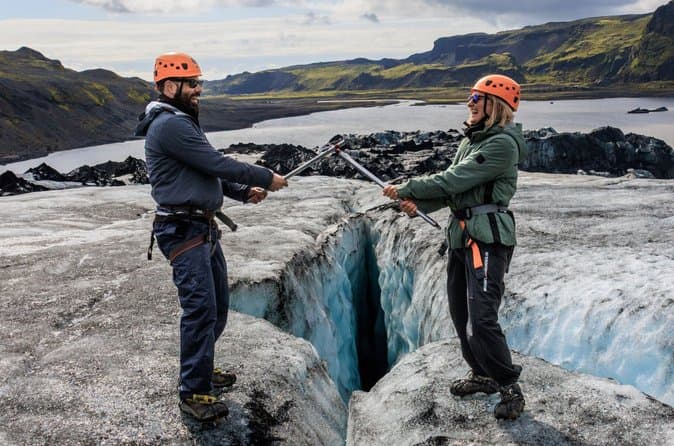
You cannot safely explore a natural ice cave on your own, which is why tours run guided only. A certified glacier guide inspects each cave before a group goes in, reads the weather and glacier conditions, and will change plans or cancel when rain or thaw raises the risk. Glaciers hold crevasses and thin ice that are hard to judge without training. Before any glacier trip, check conditions and alerts on safetravel.is, Iceland's official travel safety service, and follow your guide's instructions throughout.
The Katla ice cave near Vík
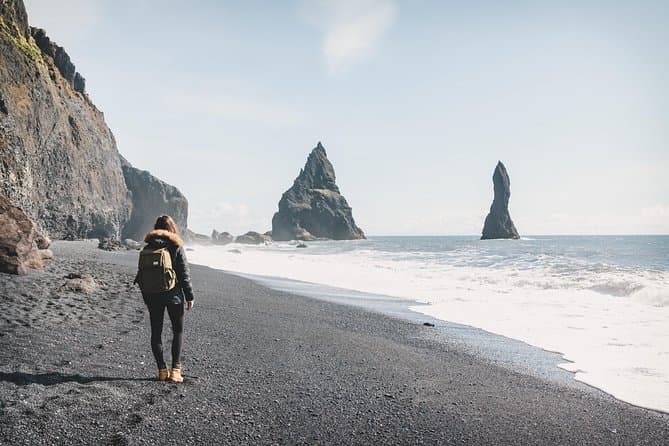
The Katla ice cave sits in Kötlujökull, an outlet glacier of the Mýrdalsjökull ice cap, above the Katla volcano and close to the town of Vík on the south coast. It is known for layers of black volcanic ash frozen into the ice, a record of past eruptions. Unlike the seasonal caves in Vatnajökull, Katla can often be visited year-round, which makes it a common choice outside winter. Tours usually meet in Vík and drive onto the glacier in modified vehicles before walking to the cave.
Planning an ice cave trip
A few things help you plan:
- Meeting points differ by cave. A crystal blue ice-cave tour from Jökulsárlón gathers at or near the glacier lagoon, while Katla tours meet in Vík.
- A crystal cave visit from the lagoon usually takes about 2 to 3 hours in total, including the drive and time inside the cave.
- Dress for cold, wet weather with warm layers and waterproofs. Guides provide safety gear such as helmets and crampons.
- Book ahead in winter, when ice cave tours are in high demand and daylight is short.
- To compare guided ice cave tours and their meeting points in one place, use the compare page rather than booking blind. It links out to operators for live prices.
Get ready for the day
For a visit or activity connected with the ice caves, the Iceland Packing List is a useful starting point for what to bring.