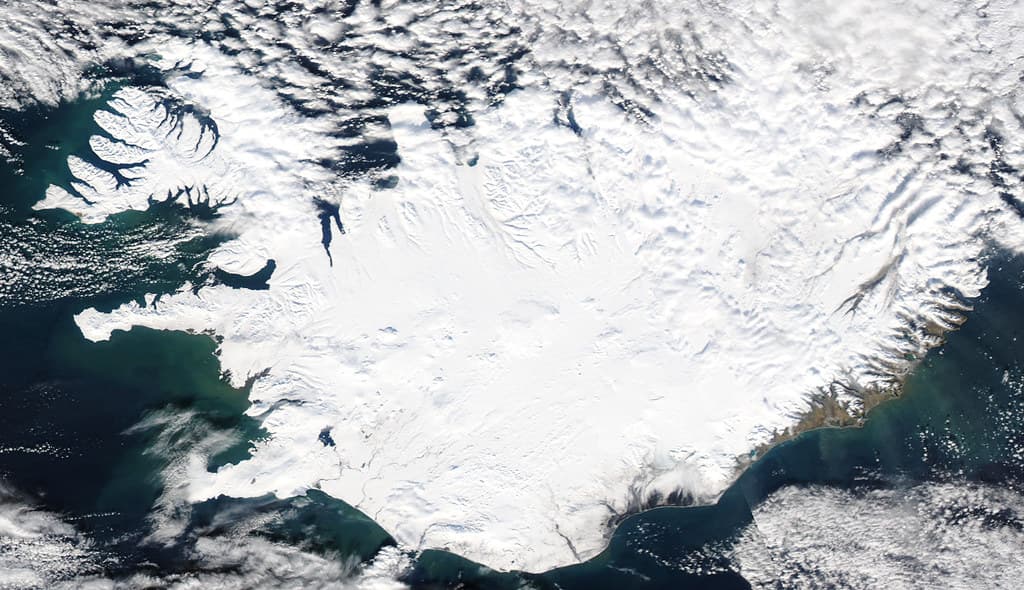
The best things to do in Iceland include the Golden Circle with 3 sites, Route 1 at about 1300 kilometers, and the northern lights from September to April. The Blue Lagoon averages around 38 to 39 degrees Celsius. Strokkur erupts roughly every 6 to 10 minutes.
Iceland's must-see natural wonders
The Golden Circle is a popular sightseeing route that links 3 sites: Thingvellir National Park, the Geysir geothermal area, and Gullfoss waterfall.
Thingvellir National Park sits on the Mid-Atlantic Ridge, the boundary where the North American and Eurasian tectonic plates are pulling apart. At Thingvellir the North American and Eurasian plates drift apart at a rate of roughly 2 centimeters per year. Althing, described as the oldest existing parliament in the world, was established at Thingvellir in the year 930. Thingvellir National Park was declared a UNESCO World Heritage Site in 2004 for its cultural and geological significance.
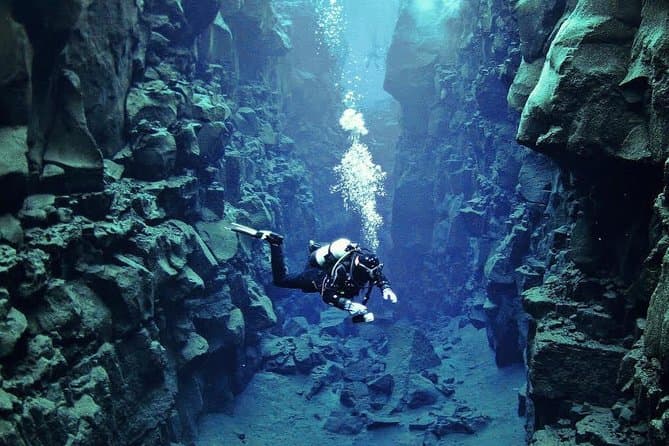
Silfra is a water-filled fissure in Thingvellir. Silfra is a snorkeling and diving site where you can be between the North American and Eurasian continents. Underwater visibility can exceed 100 meters.
Strokkur geyser in the Haukadalur geothermal area erupts roughly every 6 to 10 minutes. Strokkur typically shoots water 15 to 20 meters into the air, and in rare cases the column can reach as high as 30 meters.
Skogafoss on the south coast is about 60 meters high and about 25 meters wide. Seljalandsfoss is a roughly 60 meter waterfall on the south coast with a path that lets visitors walk behind the falling water. Reynisfjara near Vik is a black sand beach known for its basalt columns and powerful waves.
The Blue Lagoon is a geothermal spa on the Reykjanes Peninsula. Its water averages around 38 to 39 degrees Celsius.
Bucket-list wildlife and glacier adventures
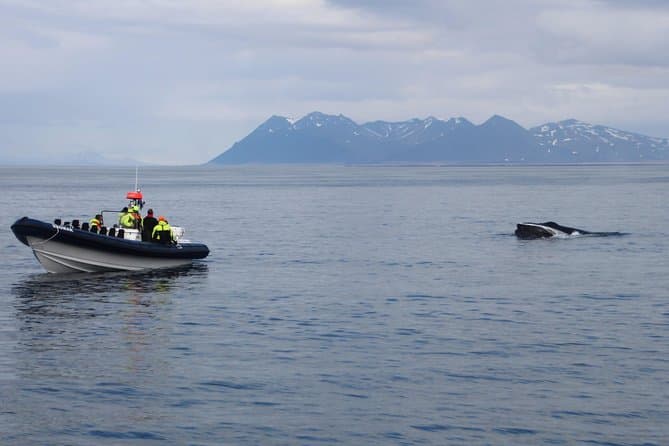
Husavik on the north coast is often called the whale watching capital of Iceland, with tours running on Skjalfandi Bay. Whale watching around Husavik commonly targets humpback and minke whales, with the season running roughly from March to November and peak months from May to September. Whale watching tours also depart from Reykjavik on Faxafloi bay. Whale watching in Iceland also includes tours from Reykjavik on Faxafloi bay.
Ice cave tours inside the Vatnajokull glacier region typically run in the colder months, roughly from October to March or April depending on ice conditions.
Jokulsarlon is the deepest lake in Iceland, reaching a depth of 248 metres, and is filled with icebergs that calve from an outlet of Vatnajokull. The nearby Diamond Beach is a black sand beach where iceberg fragments from Jokulsarlon wash ashore. Breidamerkurjokull, the outlet glacier that feeds Jokulsarlon, is part of the Vatnajokull ice cap, the largest glacier in Iceland by volume.
Chasing the northern lights and the midnight sun
The northern lights are best seen in Iceland between September and April, because the sky between May and August is too bright. The northern lights in Iceland are best seen between September and April. Around the summer solstice in June, Iceland experiences the midnight sun with near round-the-clock daylight.
Fitting the highlights into one trip and getting between them
Route 1, Iceland's Ring Road, circles the island and is about 1300 kilometers long. Iceland has 3 national parks: Thingvellir, Vatnajokull, and Snaefellsjokull. Vatnajokull National Park is the largest national park in Iceland and covers roughly 14 percent of the country. Use the Driving Distance Calculator to help plan your trip.
How to book the tours behind these experiences
You can compare Reykjavik tours to see the current options.