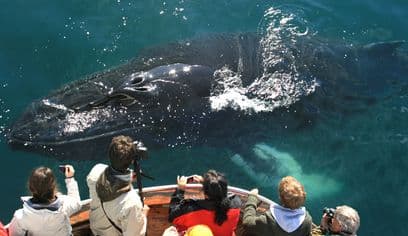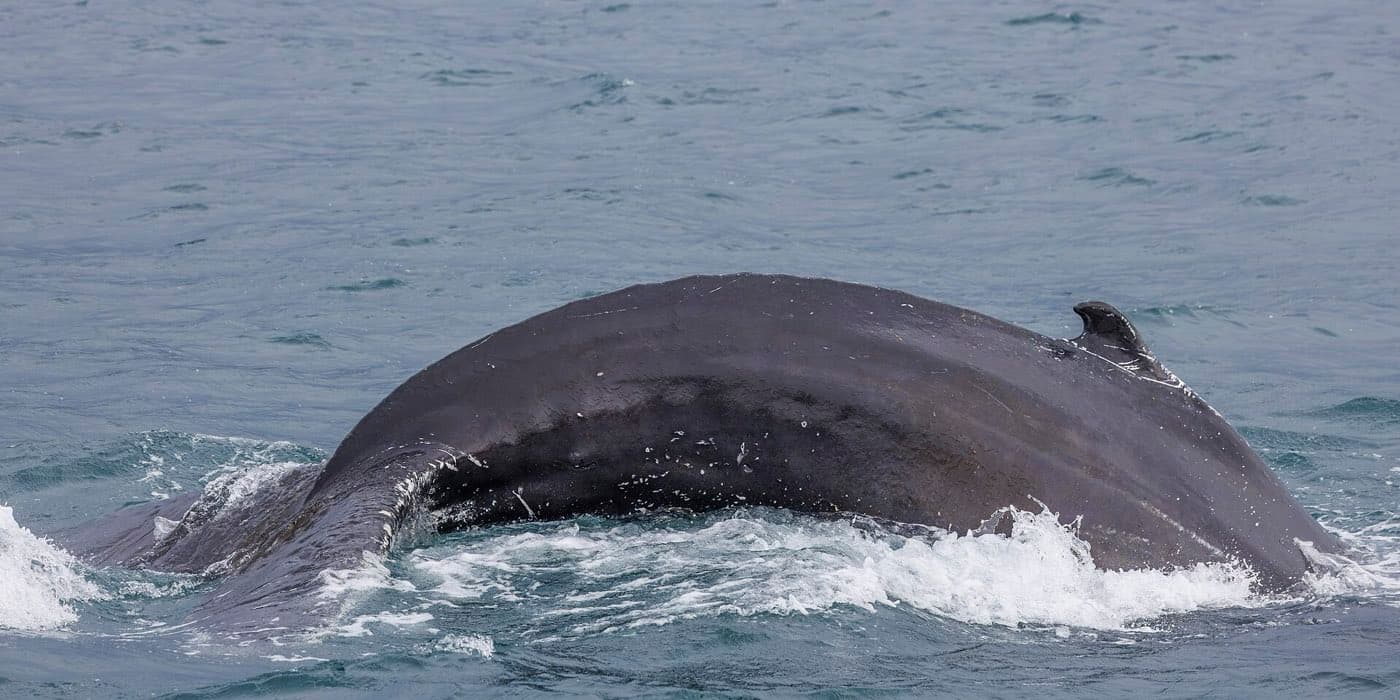
Iceland is one of the strongest whale watching destinations in the North Atlantic, with around 24 whale and dolphin species recorded in its waters. The species seen most often are minke whales, humpback whales, orcas, white-beaked dolphins, and harbour porpoises, and the main season runs from about April to October. Tours leave from Reykjavík, Húsavík, Akureyri, and Ólafsvík, with each port covering a different bay.
Whale watching in Iceland at a glance
| Feature | Detail |
|---|---|
| Species seen most often | Minke, humpback, orca, white-beaked dolphin, harbour porpoise |
| Species recorded in Icelandic waters | Around 24 |
| Season | About April to October |
| Peak months | June to August |
| Main departure points | Reykjavík, Húsavík, Akureyri, Ólafsvík |
Which whales you can see
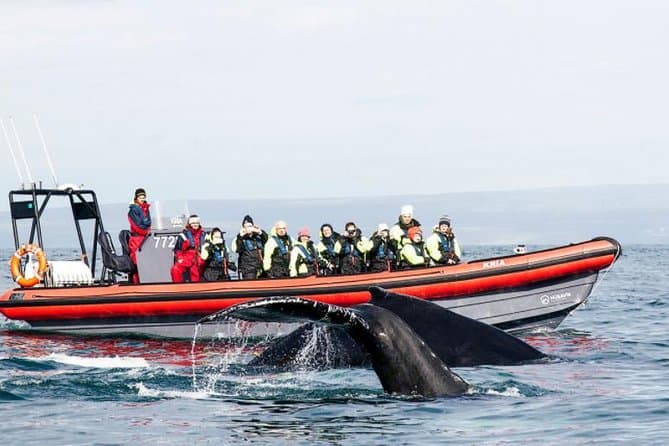
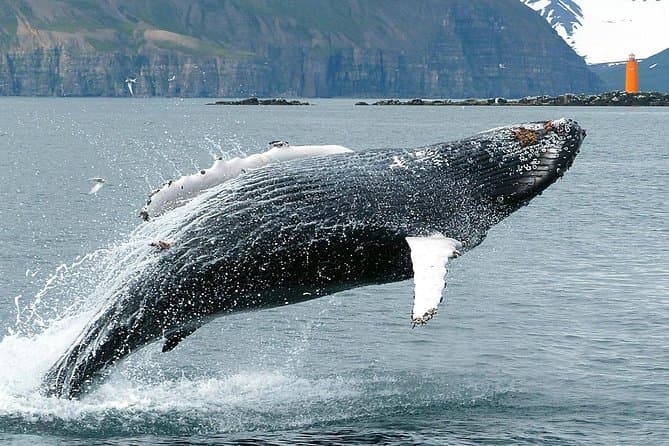
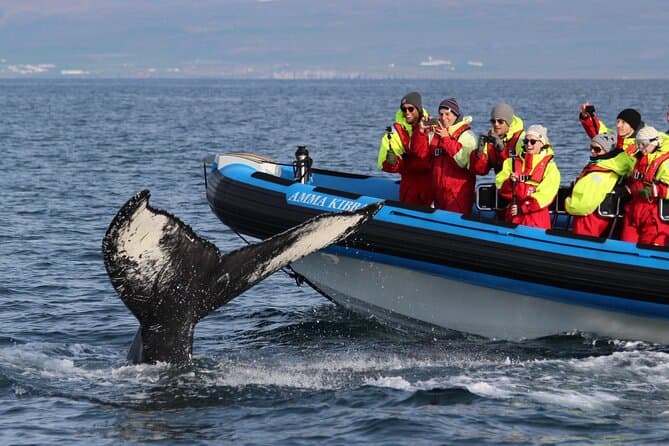
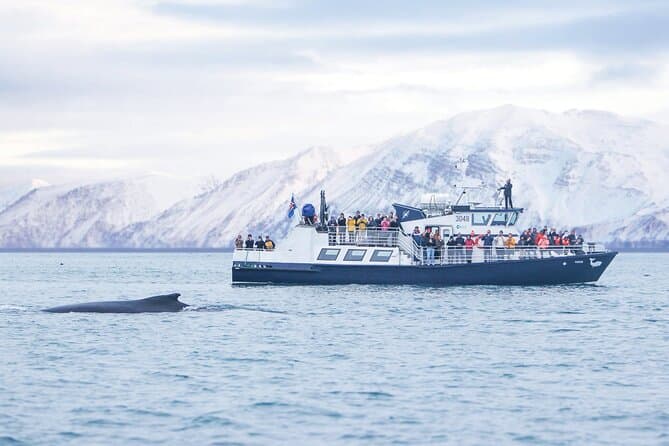
The minke whale is the species you are most likely to meet, and it feeds in coastal waters through the summer. Humpback whales are the other regular sighting and are known for surfacing and diving close to boats. Orcas, white-beaked dolphins, and harbour porpoises turn up often as well, and around 24 whale and dolphin species have been recorded in Icelandic waters in total. Blue, fin, and sperm whales are seen far less often, so treat them as a bonus rather than something to expect.
When the season runs
The main whale watching season runs from about April to October, when more animals move into the coastal feeding grounds. June to August is the peak, with the calmest seas and the longest daylight, which makes for steadier trips and better viewing. Reykjavík runs some tours year-round, since white-beaked dolphins, harbour porpoises, and minke whales stay in Faxaflói Bay through the year. Winter trips are quieter and rougher, but they carry a chance of orcas in the west.
Where tours depart
There are four main departure points, and each works a different stretch of water:
- Reykjavík: tours leave the Old Harbour into Faxaflói Bay, including a classic Reykjavík whale-watching cruise, making this the easiest option if you are based in the capital.
- Húsavík: on Skjálfandi Bay in the north, widely called the whale watching capital of Iceland.
- Akureyri: tours run into Eyjafjörður, Iceland's longest fjord, also in the north.
- Ólafsvík: on the Snæfellsnes peninsula, known for orca sightings in Breiðafjörður earlier in the year.
What to expect on the water
Dress in warm, windproof layers, because the open water is cold and the wind chill on a moving boat is real even in summer. If you are prone to seasickness, take something before you sail rather than once you are out. Bring a zoom lens or binoculars, since whales are often first spotted as a distant blow or fin before the boat repositions. Sightings are never guaranteed, and calm mornings tend to give the clearest conditions.
Comparing whale watching tours
Departure port, boat type, and trip length all change the experience, so it helps to line up the options side by side before booking. You can compare whale watching tours across the main ports and pick the one that fits your dates and location.
Pack with the trip in mind
The Iceland Packing List helps you choose practical layers and essentials for a day that includes Whale watching.