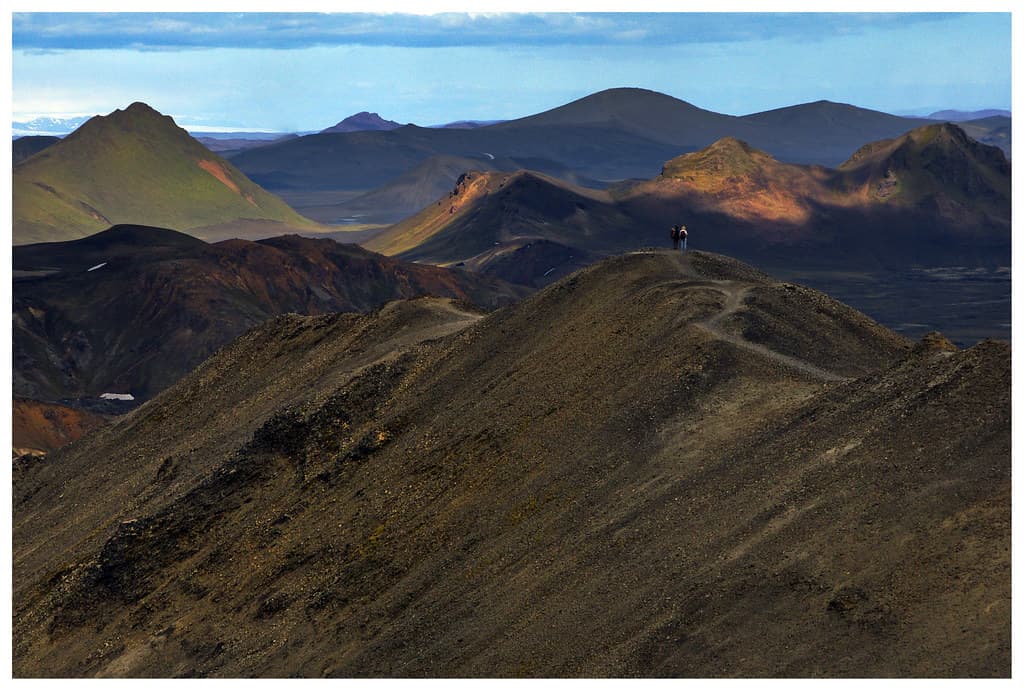
Iceland amended its Nature Conservation Act in 2015, tightening the rules on where people can camp. Iceland has roughly 170 registered campsites, ranging from basic highland fields to well-equipped sites. Peak camping season runs from late May to August.
Where you can and cannot camp in Iceland
With a traditional tent you may camp for 1 night on uncultivated public land when there is no nearby campsite, farm, or residence and no signs prohibit camping. No more than 3 tents may be pitched together under the wild camping allowance. Wild tent camping is not allowed within sight of a farmhouse or inhabited area unless the landowner gives permission. Campervans, motorhomes, and other vehicles may stay overnight only at designated campsites unless the landowner grants explicit permission. Camping is restricted to marked areas only in Thingvellir, Vatnajokull, and Snaefellsjokull national parks. Sleeping in a vehicle in a lay-by, car park, or on the roadside is not permitted.
When the camping season runs and what to expect at campsites
Most lowland campsites are closed between November and May. Larger campsites typically offer hot showers, flushing toilets, communal kitchens, electrical hookups, and laundry. Remote highland campsites usually provide only simple toilets, cold water, and limited services. In peak season, popular campsites near Reykjavik and the Golden Circle fill on a first-come basis, so arriving early in the afternoon helps.
Camping in the highlands and reaching remote sites
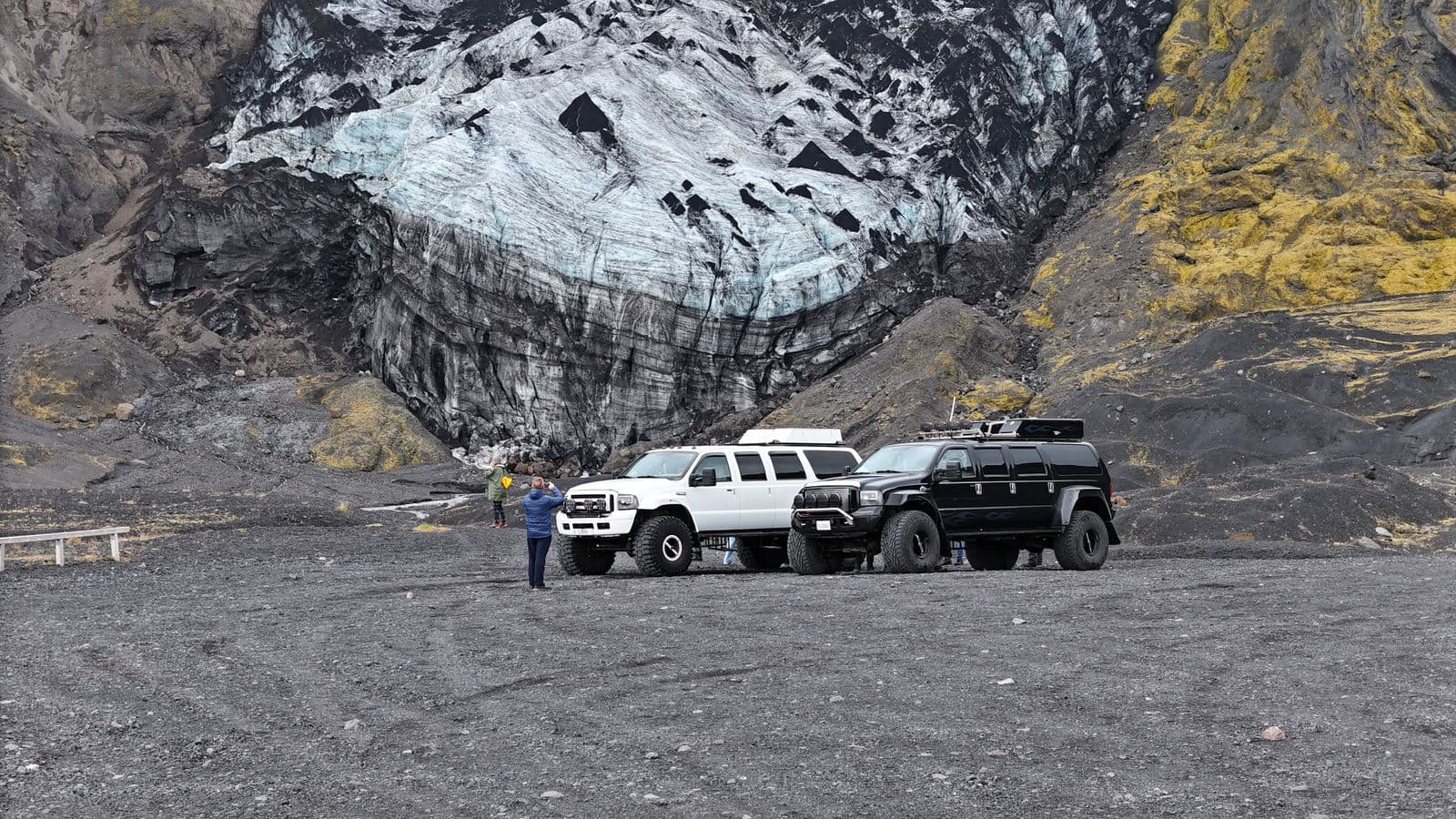
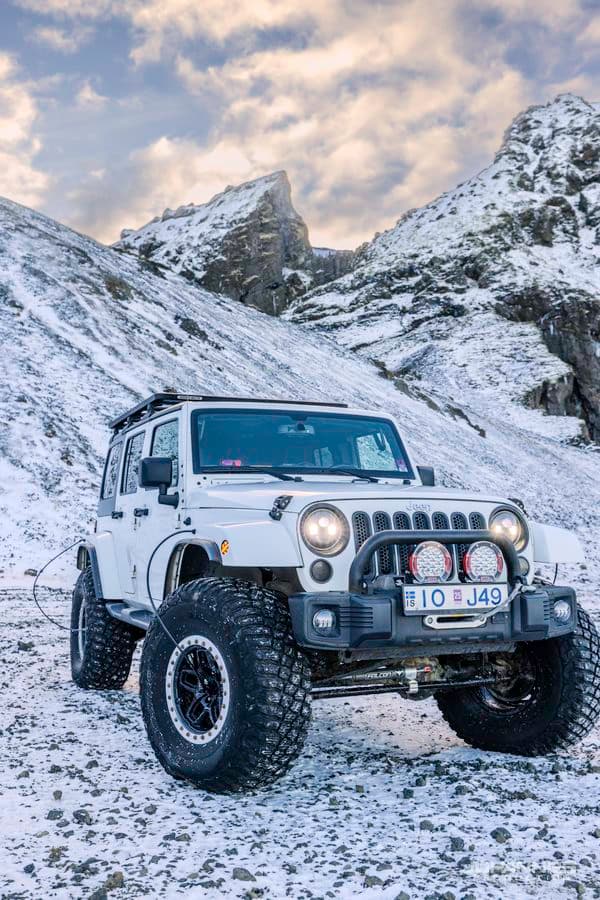
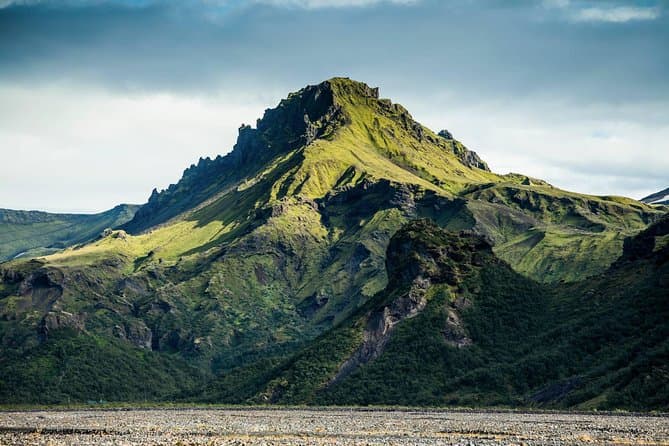
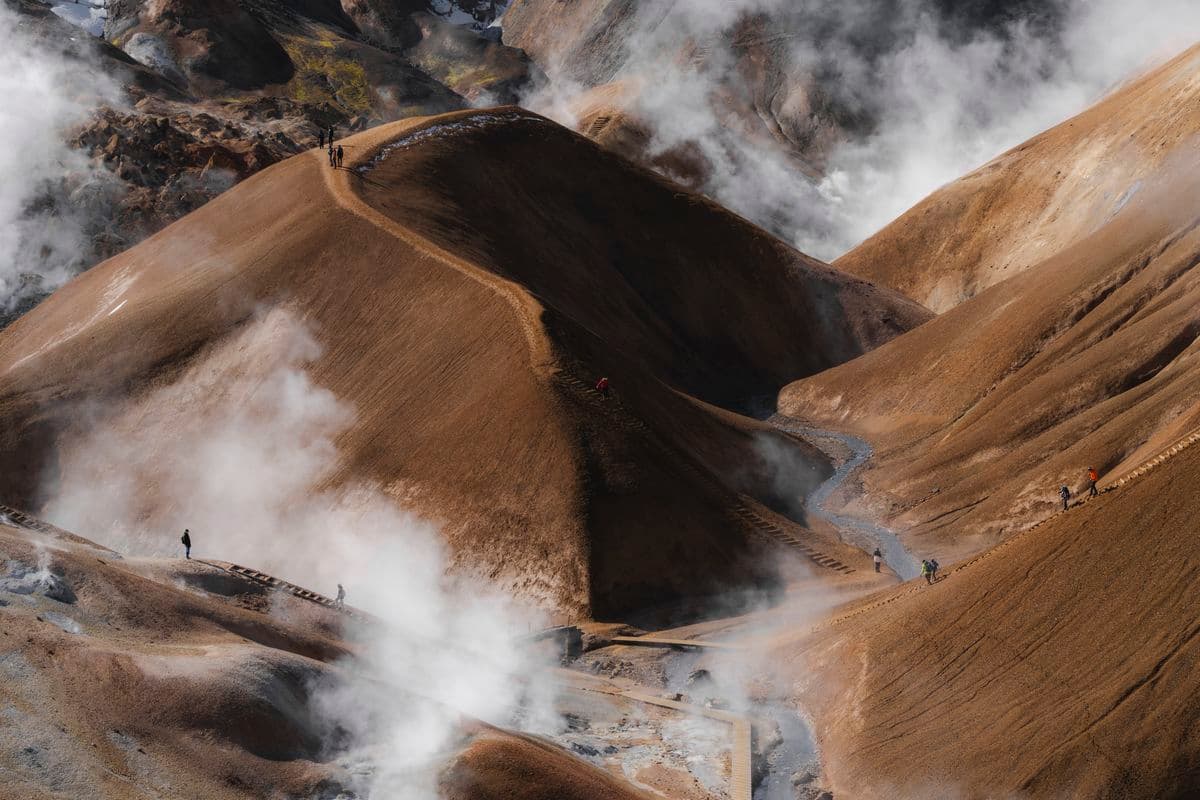
Highland campsites such as Landmannalaugar and Thorsmork sit on gravel and lie beside popular hiking trails. Landmannalaugar is reached on F-roads that require a high-clearance 4x4 vehicle. Highland F-roads are typically open only in summer, roughly mid-June to mid-September, with exact dates set by the Icelandic Road Administration. Standard two-wheel-drive rental cars are not permitted on F-roads.
What to pack for camping in Iceland's weather
Wind is the main challenge for tents in Iceland, more than the cold, so a wind-resistant tent with strong pegs and guy lines is recommended. Use the Packing List to help plan your trip.
How the Camping Card and campsite payment work
The Camping Card, known in Icelandic as Utilegukortid, is accepted at participating campsites in every region of Iceland. The Camping Card covers up to 28 nights of camping. The Camping Card is valid for 2 adults aged 16 and older and 4 children under 16, plus one tent or campervan. Camping Card nights can be used until September 15, with a maximum of 4 consecutive nights at any one campsite. A nightly accommodation tax is charged per unit at Icelandic campsites.
Compare highland tours and camping trips
You can compare highland tours to see the current options.