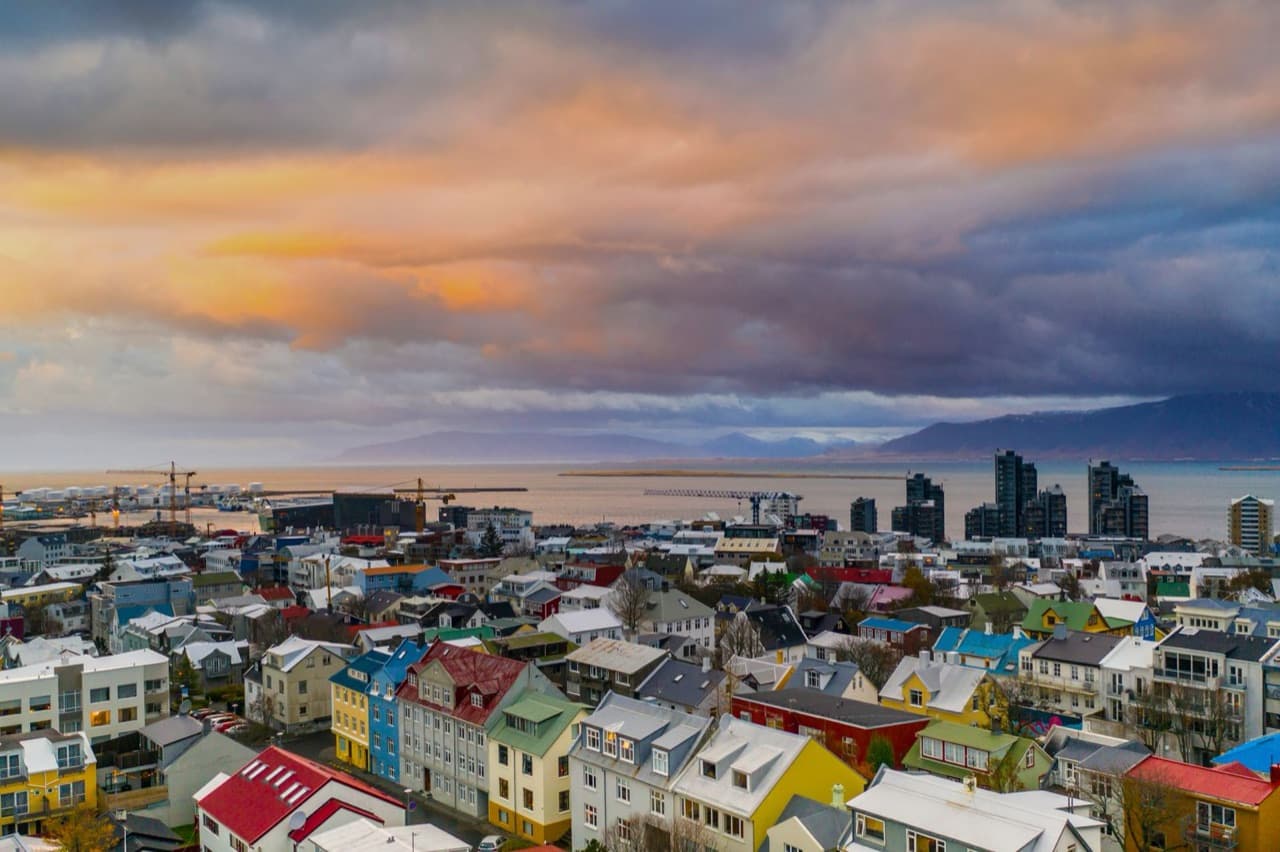
Searching for cheap hotels in Reykjavík is the wrong first move. Not because the city is short of options, but because the hotel category is where Icelandic accommodation is most expensive and least varied, and two decisions further down the page will save you far more.
The two decisions are what kind of accommodation you sleep in, and where on your route you sleep. Neither is about finding a discount.
The accommodation types Iceland actually has
Hotels are the visible tier and the priciest one.
Guesthouses are the Icelandic middle, and the most useful category for a budget traveller. Rooms are frequently smaller and bathrooms frequently shared, and the saving against a hotel is substantial for a difference that matters for about ten minutes a day.
Hostels cover dorms and private rooms, and the private rooms are often overlooked by people who assume hostel means dormitory.
Farm accommodation exists across rural Iceland and is a genuine category rather than a novelty.
Campsites and campervans are the cheapest end, seasonally constrained and rule-bound in ways covered below.
Apartments with a kitchen occupy a special place in Icelandic budgeting, because the kitchen attacks the food line as well as the accommodation line.
Sleeping-bag accommodation and shared bathrooms cut the most
Two levers do most of the work, and both are unfamiliar to visitors.
The first is sleeping-bag accommodation. This is a bed or room let without made-up bedding: you bring a sleeping bag instead. Icelanders and returning visitors use it routinely, and it is the single largest saving on the accommodation line available to someone willing to carry one. Check with each place what the rate does and does not include before booking, since that varies.
The second is the shared bathroom. A guesthouse room with a bathroom down the hall is priced well below the same room with a private one. If you are out of the building from morning until evening, you are paying a premium for a fixture you use twice a day.
Take both levers and the accommodation line stops being the second-largest cost in an Icelandic trip.
Staying in Reykjavik or moving along the Ring Road
Where you sleep is a driving decision before it is a price decision.
The hub model keeps you in the capital and sends you out on day trips. One booking, no packing and unpacking, and you can compare accommodation once instead of eight times. The cost is repeated driving on the same roads and a ceiling on how far you can reasonably reach in a day.
The moving model follows the route. A different bed most nights, more booking work, and thinner supply in the smaller places, but you cover far more ground and waste far less time retracing.
The honest rule: under about five days, the hub model usually wins. Beyond a week, a moving itinerary stops being the extravagant option and starts being the efficient one, because the driving you avoid is worth more than the booking convenience you lose. The regional trade-offs are laid out at where to stay in Iceland.
Watch the backtracking either way. An hour each way to a cheaper bed, twice, costs more in fuel and daylight than the saving.
Keflavik or Reykjavik for the first and last night
A narrow question with a clear answer.
Stay near the airport if you land late at night or leave very early, because it removes a transfer at the worst possible hour and lets you sleep instead of travelling.
Stay in Reykjavík for everything else. A night near the airport buys you nothing during daylight and costs you a journey in each direction.
Where budget supply actually runs thin
The capital has depth. Everywhere else has less than visitors expect.
The smaller Ring Road towns and the east in particular have thin total supply rather than merely expensive supply. In high season the cheap options in those places are gone months ahead, and what remains is not a slightly dearer version of the same thing.
This is where accommodation budgets break, and it breaks on availability rather than on price. If your route depends on sleeping in a specific small town on a specific night in summer, that is the booking to make first.
Campsites, camping cards and the rules that actually apply
Camping is the cheapest way to sleep in Iceland and the most misreported.
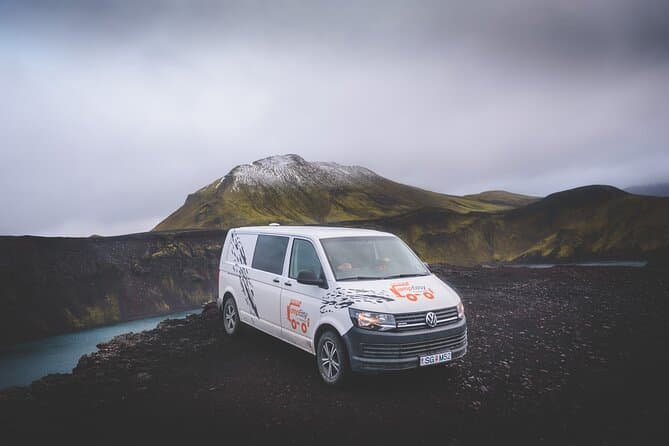
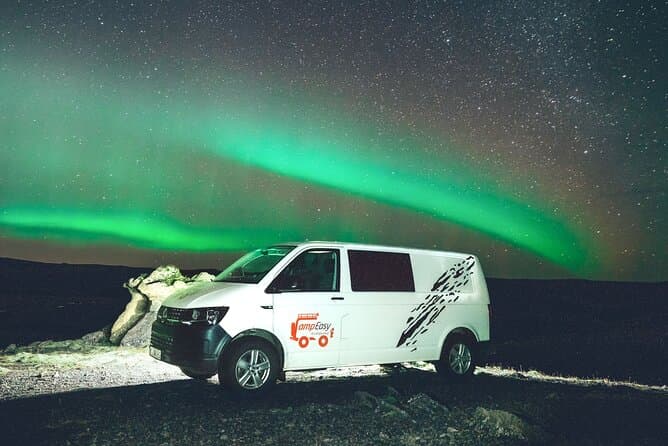
The rules for vehicles are strict. Outside urban areas, the landowner's permission is required to use tent trailers, folding campers, caravans, campervans and comparable equipment outside organised campsites. A campervan is not a licence to sleep anywhere.
For tents there is a narrow exception, and it is narrower than the internet suggests. Permission of the landowner or other rights holder is required before camping near dwellings or a farm, and always for larger groups of tents or for more than one night. SafeTravel describes camping in a tent or a motorhome as restricted to campsites or privately owned land with the landowner's permission, with the one-night uncultivated-land exception framed around hikers and cyclists rather than around people arriving by car.
So: campsites, in practice, for almost everyone. What they offer varies enormously and the season is short. The practicalities are at camping in Iceland.
Booking timing and cancellation policy as budget tools
Two habits worth more than comparison shopping.
Book the scarce nights early. That means the small-town stops and anything in high season outside the capital. Book the abundant nights whenever, because the capital will still have rooms.
Prefer the cancellable rate where the difference is small, particularly if any part of your itinerary depends on weather or on roads being open. An unmoveable booking in a place you cannot reach is a total loss rather than a saving. Confirm each campsite's facilities directly before booking.
What to check before you book the cheap rate
Whether bed linen and towels are included, which on a sleeping-bag rate is the thing to confirm. Whether the bathroom is private or shared. Whether there is a kitchen you may actually use. Whether breakfast is included or assumed. And how far from the centre or from your route the place actually is, measured in driving time rather than kilometres.
Use the Trip Budget Calculator to plan your trip.
Deciding what the room budget is worth
You can compare Reykjavík tours to see the current options at /tours/reykjavik.