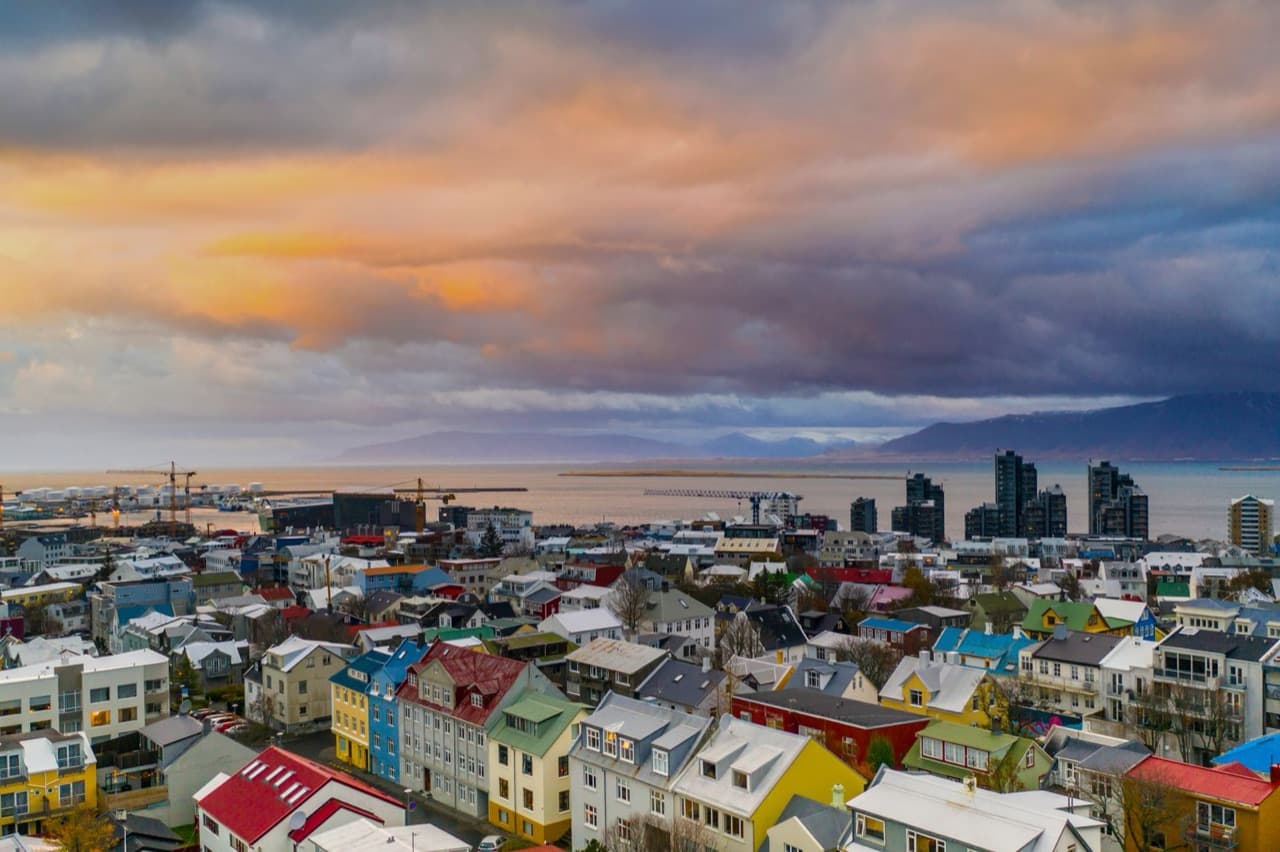
When winter driving conditions apply and how little daylight you get
Iceland's winter driving season runs roughly from October to April. Winter conditions can also occur in spring and autumn. On the shortest days of winter, Iceland can receive as few as 4 hours of daylight, so driving is best done within daylight hours. Reykjavik in winter sees only about 4 to 5 hours of daylight around the solstice.
Winter tire rules and choosing the right vehicle
Driving in Iceland requires winter tires by law from November 1 to April 15. The minimum legal tread depth for winter tires in Iceland is 3 mm. Studded tires are permitted between November 1 and April 15 but are optional. A 4x4 vehicle is recommended for the south coast, remote areas and driving in heavy snow or icy conditions.
Speed limits and the road rules that matter most in winter
Speed limits are 50 km/h in urban areas, 80 km/h on rural gravel roads and 90 km/h on rural paved roads. The speed limit on single-lane bridges is 50 km/h. On icy roads it is advised to slow down to about 50 to 60 km/h and keep extra distance from other vehicles. Headlights and taillights must be turned on at all times, all year round. Drivers and all passengers must wear a seatbelt regardless of where they are seated. Children under 135 cm must use a car seat fitted to their age, height and weight. Iceland enforces a very strict drink-driving limit, so you should not drive after consuming any alcohol. Driving off-road anywhere in Iceland is illegal and carries large fines because it damages fragile terrain.
Handling black ice, high winds and closed highland roads
Black ice tends to form when temperatures are around 0 C, especially on bridges, shaded areas and wet surfaces, and can look like a harmless wet patch. High winds are a serious hazard, and drivers should open car doors carefully in windy conditions to avoid wind damage. F-roads in the highlands are closed in winter. Most F-roads open only around late June and close again by mid-September.
Checking road and weather conditions before you set off
Road conditions and closures can be checked at the Icelandic Road and Coastal Administration site road.is. Weather forecasts and warnings are published by the Icelandic Met Office at vedur.is. SafeTravel at safetravel.is provides road and weather alerts and lets you leave a travel plan that helps rescuers locate you. Iceland's emergency number is 112, and the 112 Iceland app connects to emergency responders and can help locate your vehicle. Use the Road Conditions tool to help plan your trip.
Comparing guided winter tours as an alternative to self-driving
You can compare 4x4 rentals if you do plan to drive yourself, or compare Reykjavik tours to let someone else take the winter roads.