Iceland has hundreds of hot springs and geothermal pools spread across every region of the country. Iceland sits on the Mid-Atlantic Ridge, and the North American and Eurasian plates slowly pull apart at a rate of about 2.5 centimeters per year. Geothermal energy heats most Icelandic homes and supplies naturally warm water to swimming pools across the country.
Why Iceland has so many hot springs
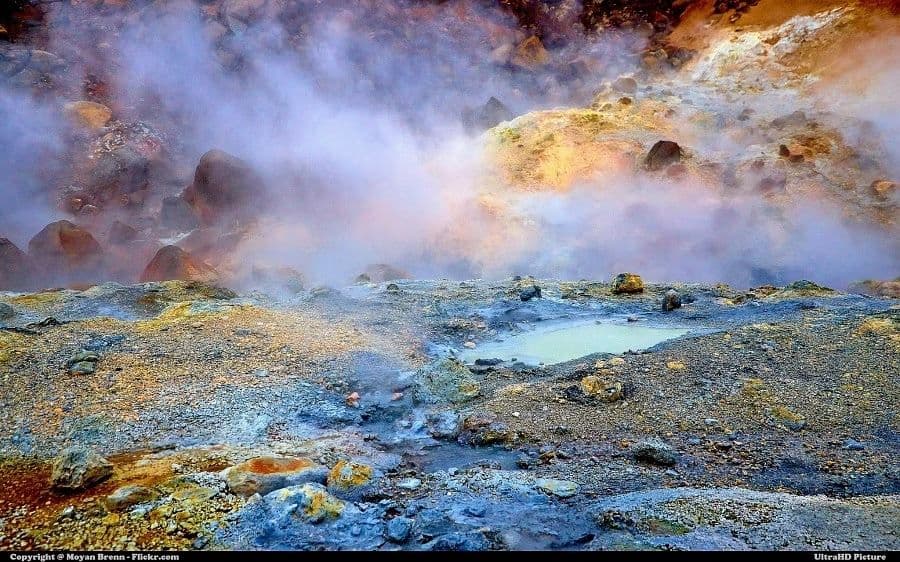
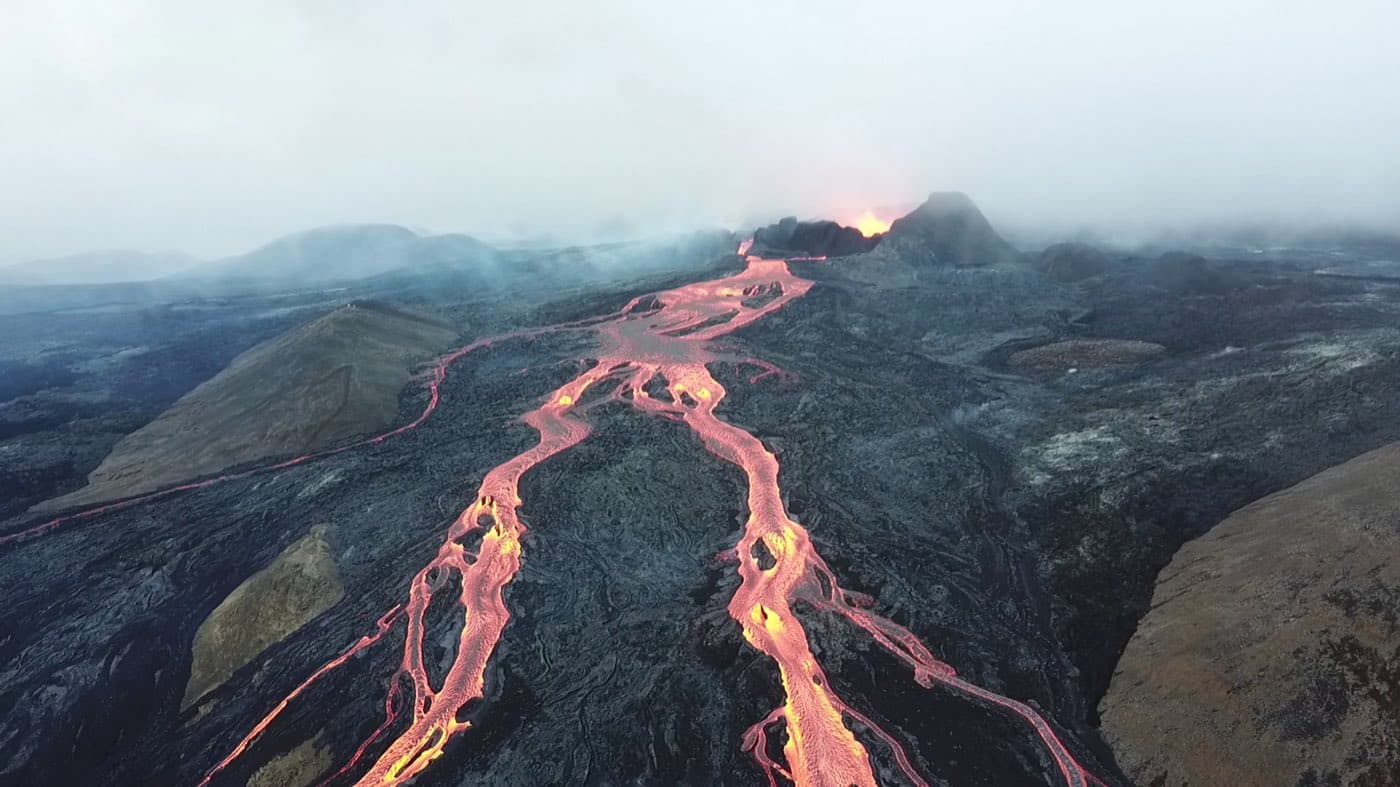
Iceland sits on the Mid-Atlantic Ridge, the boundary between the North American and Eurasian tectonic plates. The North American and Eurasian plates slowly pull apart at a rate of about 2.5 centimeters per year. Magma rising to fill the gap between the plates makes Iceland one of the most geothermally active places on Earth. Rain and meltwater seep into fractured rock, are heated by magma, and rise back to the surface as hot springs and geysers.
Iceland's geothermal lagoons and built bathing pools
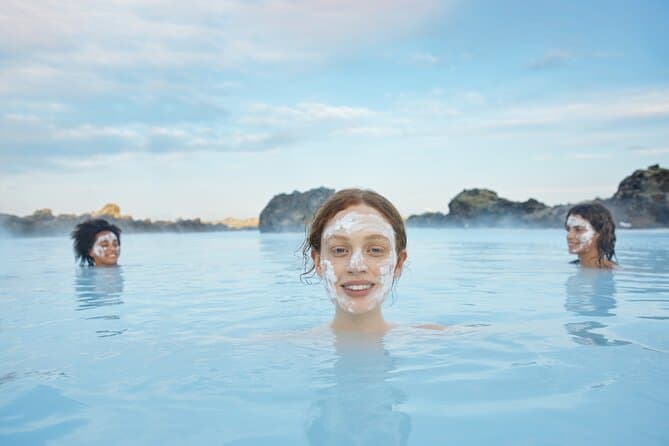
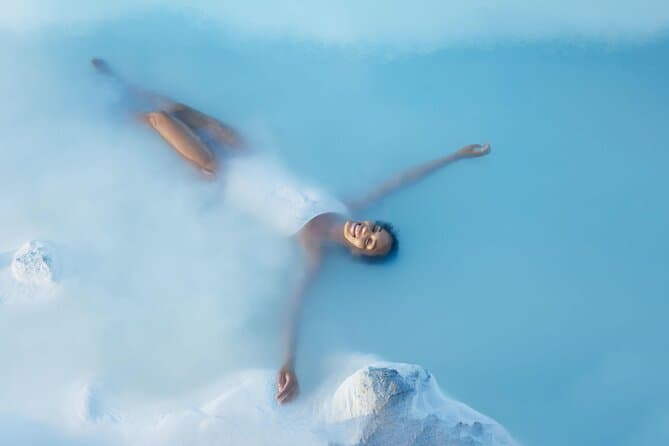
The Blue Lagoon is a large geothermal spa on the Reykjanes Peninsula near Keflavik Airport. Blue Lagoon water temperature is about 37 to 39 degrees Celsius. Blue Lagoon geothermal seawater is roughly 70 percent ocean water and 30 percent freshwater. In the Blue Lagoon system, ocean water and freshwater converge about 2000 meters underground. Blue Lagoon water contains around 140 milligrams per kilogram of silica, which gives it its milky blue colour.
The Secret Lagoon, known locally as Gamla Laugin, near Fludir is the oldest swimming pool in Iceland, built in 1891. Secret Lagoon water stays around 38 to 40 degrees Celsius all year round. Iceland's first swimming lessons were held at the Secret Lagoon in 1909. The Secret Lagoon reopened to visitors in 2014.
Myvatn Nature Baths in North Iceland is a mineral lagoon heated to about 36 to 40 degrees Celsius. Water for Myvatn Nature Baths is drawn from a borehole at Bjarnarflag, where it emerges near 130 degrees Celsius before being cooled for bathing. Laugarvatn Fontana on the Golden Circle and Vok Baths near Egilsstadir in East Iceland are other developed geothermal bathing sites. The hot springs comparer lists these and around a dozen more side by side by region, type and current admission price.
Wild and natural hot springs beyond the lagoons
Reykjadalur, or Steam Valley, is a geothermal river valley near the town of Hveragerdi, at the foot of Hengill. Bubbling hot springs and steam vents mark the area, and the warm Reykjadalsa river runs down the valley, where people bathe in the river before walking back down. A little further up the river is the Klambragil gorge. Mountain bikes can be rented at the service centre, and marked bike trails run across the area.
Seljavallalaug on the South Coast was built in 1923 and is one of the oldest pools in Iceland. Seljavallalaug measures approximately 25 meters long and 10 meters wide, with a depth of up to about 1.8 meters. Seljavallalaug is cooler than most lagoons, typically around 20 to 30 degrees Celsius.
Landmannalaugar, in the Fjallabak Nature Reserve, has a natural bathing spot where hot and cold water meet, holding around 36 to 40 degrees Celsius. Landmannalaugar is roughly a 4 hour highland drive from Reykjavik, is accessible in summer only, and requires a 4WD vehicle.
How to reach Iceland's more remote and highland hot springs
Hveravellir is a geothermal area on the Kjolur route with a small natural bathing pool at around 38 degrees Celsius. Hveravellir sits roughly halfway between Reykjavik and Akureyri on the Kjolur route, along Road 35. Highland roads to areas like Hveravellir and Landmannalaugar are typically open only from about June to September. Icelandic highland F-roads require a 4WD vehicle and can include unbridged river crossings. Use the Road Conditions to help plan your trip.
Bathing etiquette and safety at Iceland's hot springs
It is mandatory to shower naked with soap before entering any Icelandic pool, lagoon, or bathing place. Icelandic pools use far less chlorine than many countries and rely on bather hygiene to keep the water clean. Deildartunguhver in West Iceland is the most powerful hot spring in Europe. Deildartunguhver emits about 180 liters of 97 degree Celsius water every second. Visitors cannot bathe in Deildartunguhver, it is viewed from marked walkways, and the near-boiling water must never be touched. The geothermal water from Deildartunguhver is piped to heat homes in the towns of Borgarnes and Akranes.
Comparing hot spring and geothermal bathing tours
You can compare Reykjanes tours to see the current options.