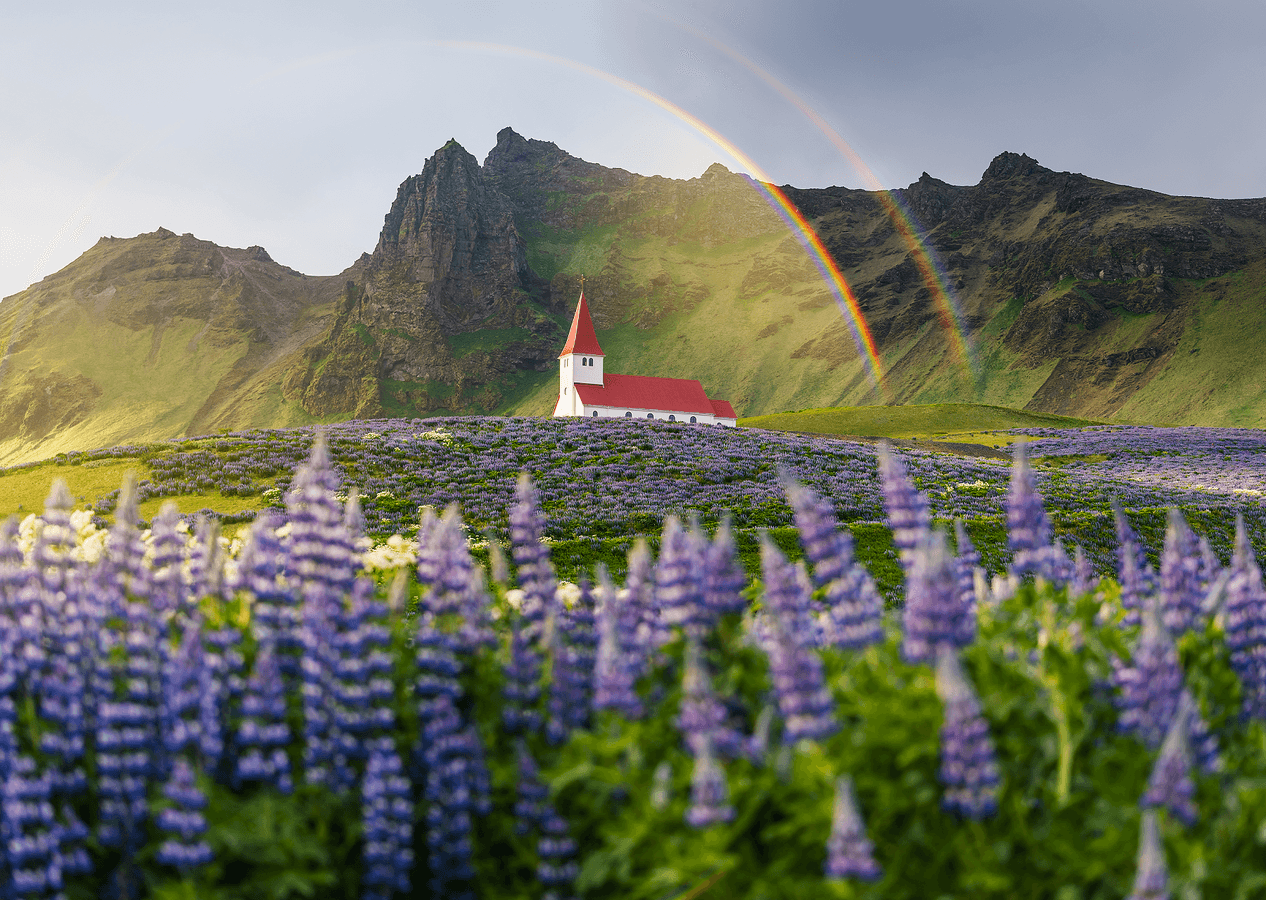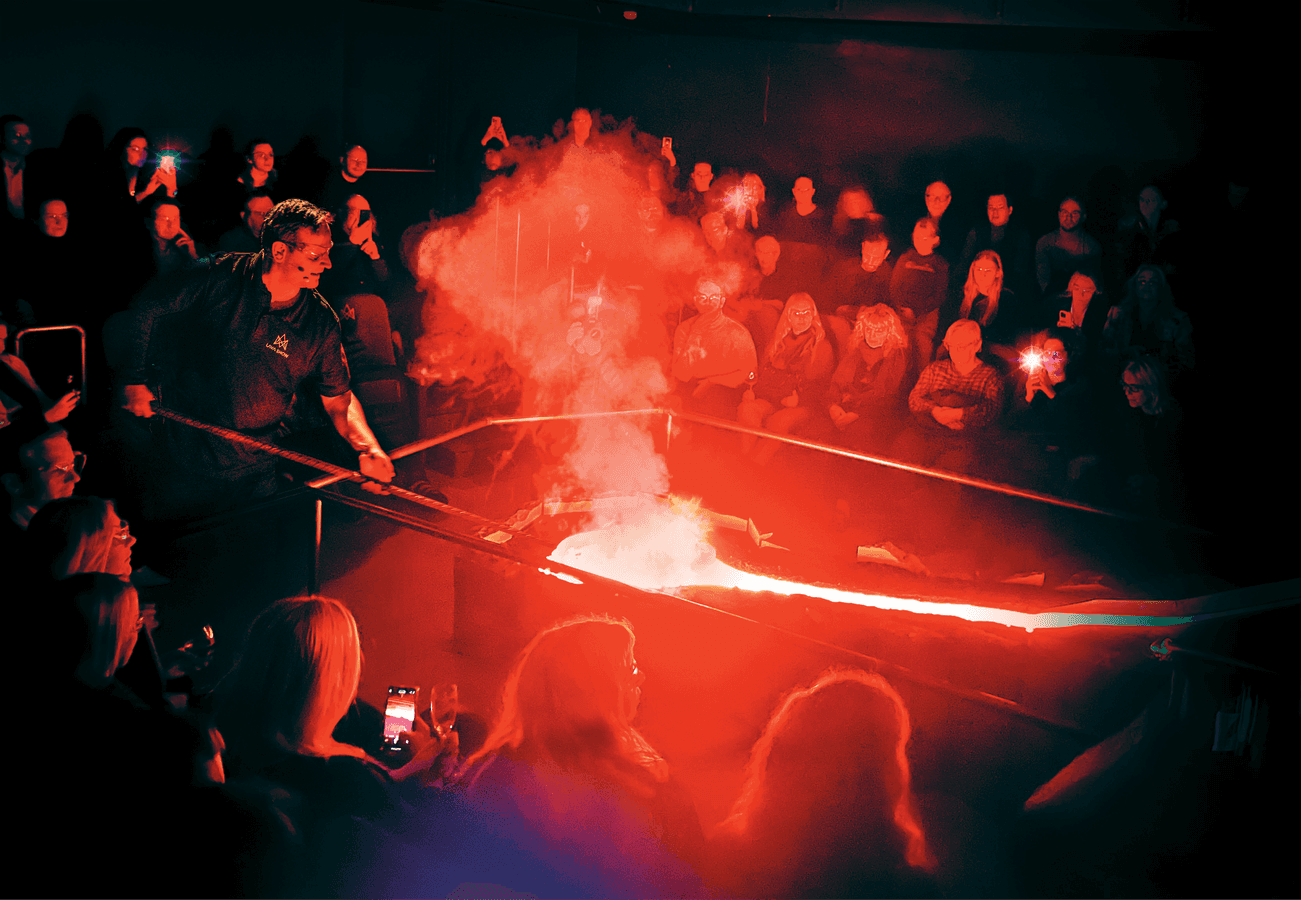
A classic Iceland trip of 7 days usually combines the Golden Circle, the South Coast, and a run east to the glacier lagoon, with Reykjavik as the arrival and departure city. The Golden Circle is a loop of roughly 300 kilometers from Reykjavik linking Thingvellir, Geysir, and Gullfoss.
How the classic seven day route is structured
Iceland's main road is Route 1, known as the Ring Road, which circles the entire country and is more than 1,300 kilometers long. The Ring Road is paved along its full length and is mostly two lanes wide, one lane in each direction. Thingvellir National Park is a UNESCO World Heritage Site where the Althing, Iceland's parliament, was founded in 930, and it sits in a rift valley on the Mid-Atlantic Ridge.
Planning your driving days and distances
The drive from Reykjavik to Vik on the South Coast is about 188 kilometers and takes around 2 hours 50 minutes without stops. Jokulsarlon glacier lagoon sits about 380 kilometers east of Reykjavik along Route 1, roughly a 5 hour direct drive. Keflavik International Airport is about 50 km from Reykjavik, a drive of around 45 minutes. In Iceland you drive on the right-hand side of the road. The speed limit is 50 km/h in urban areas, 80 km/h on rural gravel roads, and 90 km/h on rural paved roads unless signs state otherwise. Headlights must be on at all times, day and night, throughout the year. Use the Driving Distance Calculator to help plan your trip.
Days one to three: the Golden Circle and the start of the South Coast
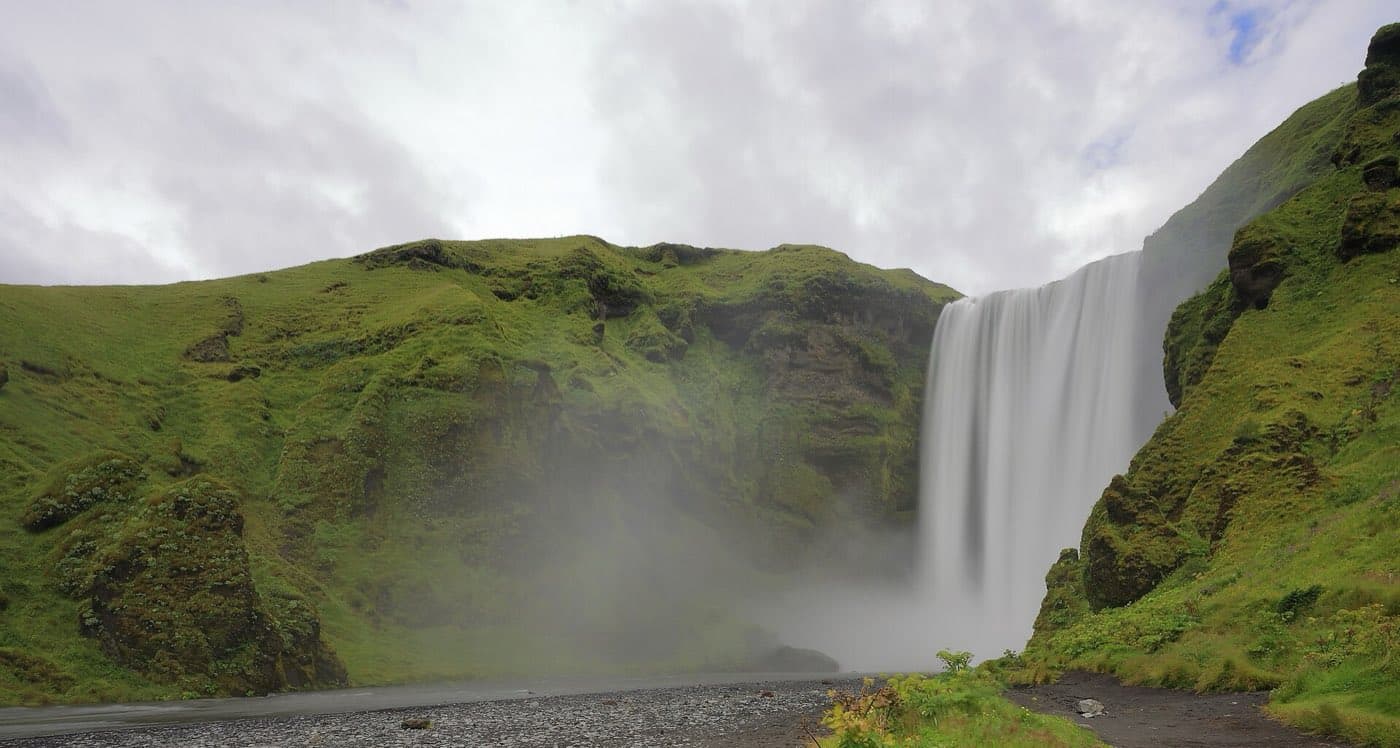
At the Geysir geothermal area the active hot spring Strokkur erupts roughly every 10 minutes, sending water up to about 20 meters into the air. Gullfoss is a two-tier waterfall on the Hvita river that drops a total of about 30 meters. Seljalandsfoss is a South Coast waterfall that visitors can walk behind. Skogafoss is about 60 meters high and about 25 meters wide, one of Iceland's largest waterfalls.
Days four to six: from Vik to the glacier lagoon
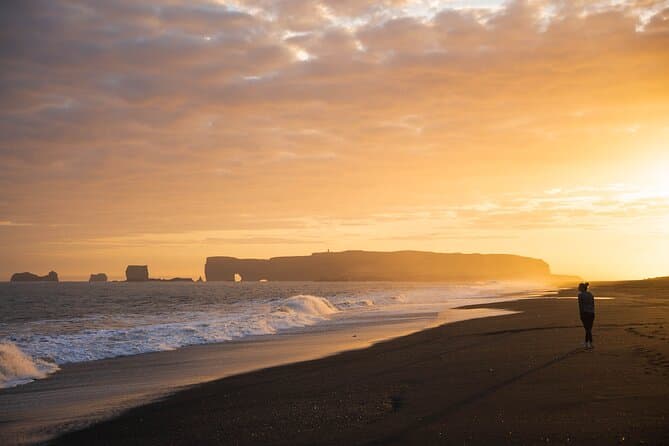
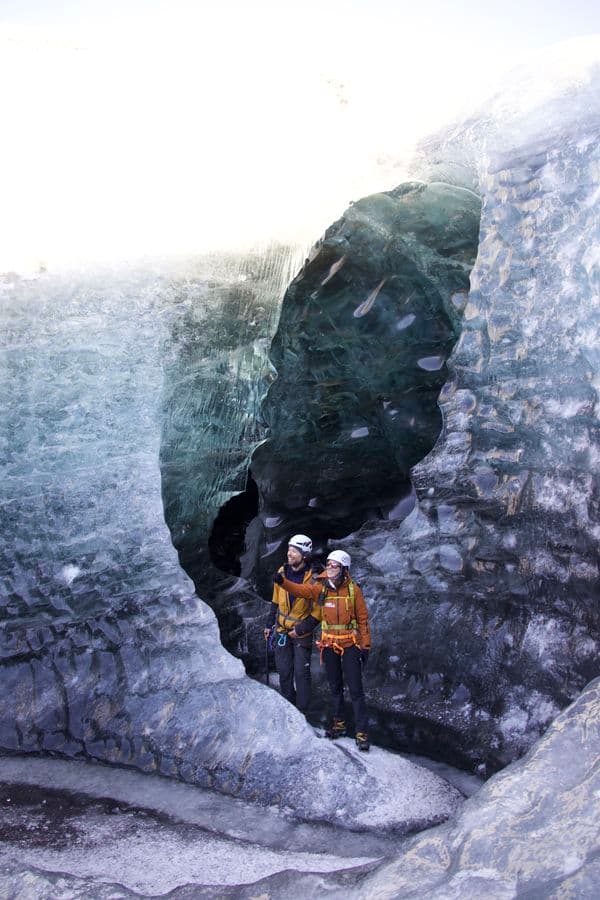
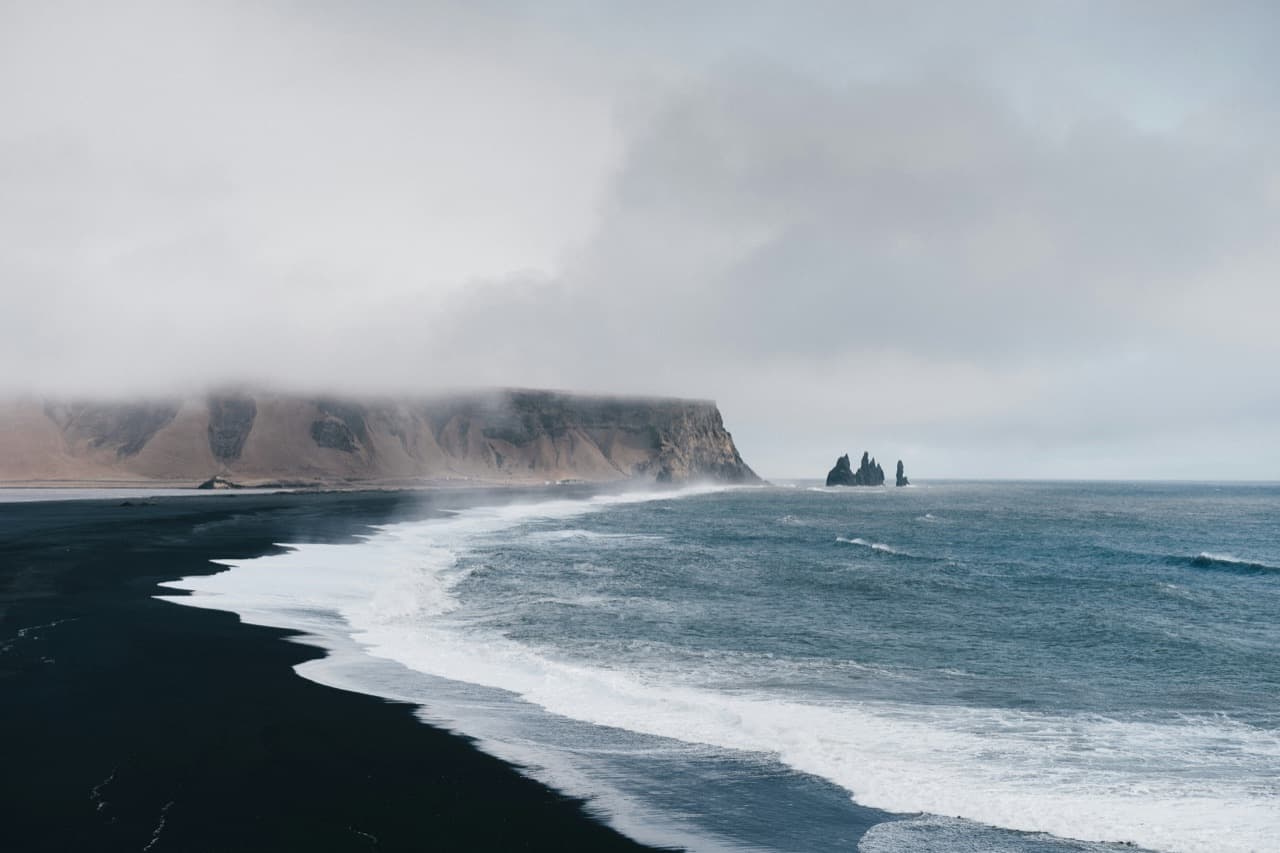
Reynisfjara is a black sand beach near Vik famous for basalt columns and the Reynisdrangar sea stacks, where powerful sneaker waves make the shoreline dangerous. Vik i Myrdal is the southernmost village in Iceland. Skaftafell is a nature area within Vatnajokull National Park and a common base for glacier hikes. Vatnajokull is the largest glacier in Europe and covers about 7 percent of Iceland's surface. Jokulsarlon is the deepest lake in Iceland at about 248 meters, formed by icebergs breaking off the Breidamerkurjokull glacier tongue. Diamond Beach lies beside Jokulsarlon, where icebergs washed from the lagoon rest on black sand.
Day seven: returning to Reykjavik and the Reykjanes finish
The Blue Lagoon geothermal spa is on the Reykjanes Peninsula, close to Keflavik Airport, making it a common first or last stop on an Iceland trip. Iceland sits on the boundary of the North American and Eurasian tectonic plates, which is why it has such intense volcanic and geothermal activity. The South Coast between Reykjavik and Vik is known for waterfalls, black sand beaches, and views of glaciers and volcanoes such as Eyjafjallajokull.
Comparing guided and self-drive tours for a seven day trip
You can compare South Coast tours to see the current options.