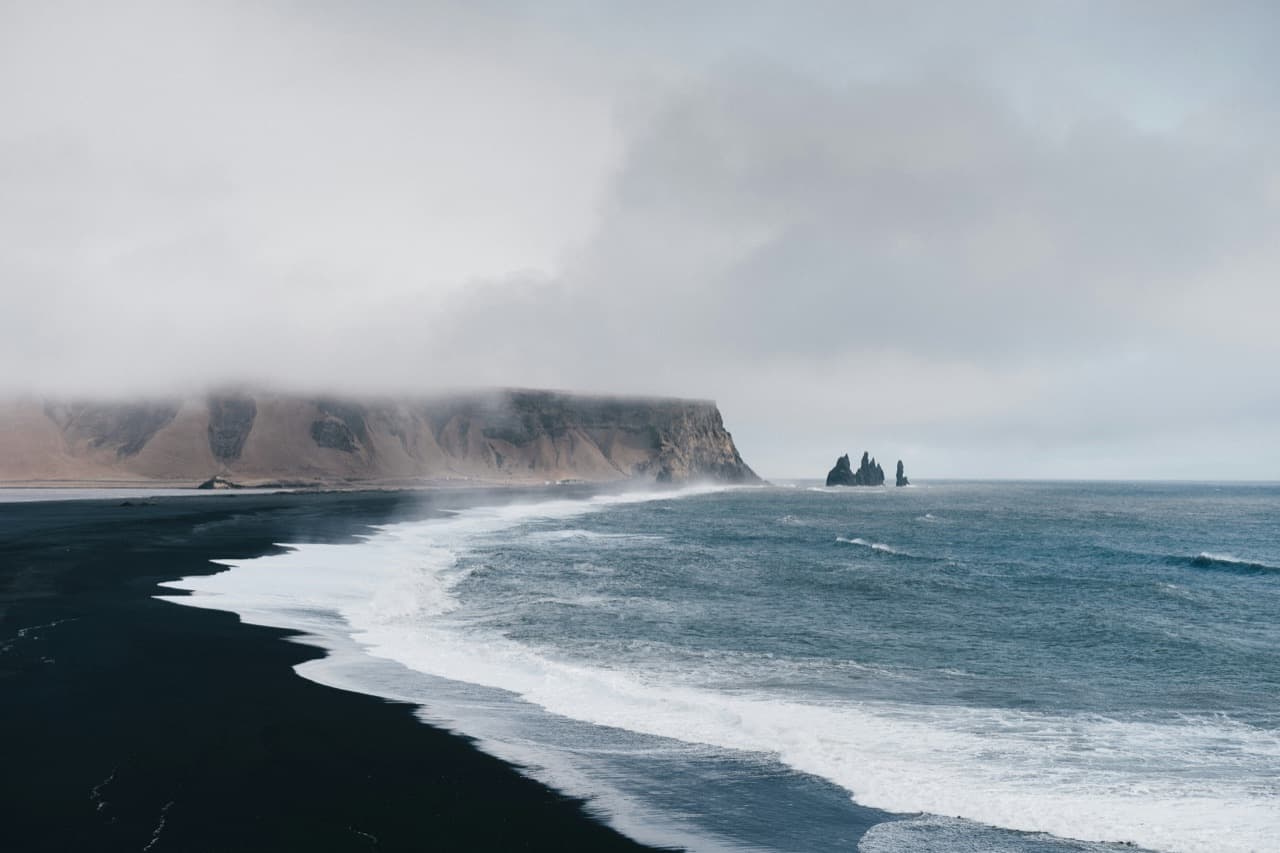
Iceland's best viewpoints range from a coastal promontory rising about 110 to 120 meters to a 73 metre city church tower that rises above every other building in Reykjavik. Vestrahorn, Kirkjufell, Mount Esja, Fjadrargljufur, and Studlagil each add mountain, canyon, and coastal panoramas to a route. This guide covers coastal viewpoints, mountain and canyon overlooks, city observation decks, timing for light, and safety and access.
Coastal viewpoints along Iceland's south and southeast shore
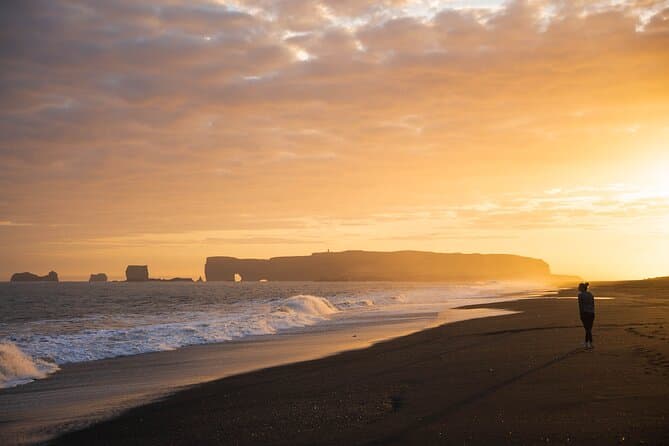
Dyrholaey is a promontory on Iceland's south coast, rising about 110 to 120 meters above the sea. It has a large natural rock arch, and its name means door hill island in Icelandic. The Dyrholaey lighthouse was first built in 1910 on top of the cliffs. Dyrholaey has an upper viewpoint beside the lighthouse and a lower viewpoint closer to the black-sand beach. Puffins nest at Dyrholaey from about May to August.
Reynisdrangar are basalt sea stacks off Reynisfjara beach, and the tallest rises about 66 meters. Vestrahorn is a mountain on the Stokksnes peninsula in southeast Iceland, rising about 454 meters. It sits about 15 kilometers east of the town of Hofn, just off the Ring Road, and is made largely of gabbro and granophyre rock, giving it a dark appearance.
Mountains and canyons with the widest panoramas
Kirkjufell is a mountain about 463 meters high near Grundarfjordur on the Snaefellsnes peninsula. It is often described as the most photographed mountain in Iceland, and it is a nunatak that protruded above surrounding glaciers during the Ice Age.
Mount Esja is a volcanic mountain range about 10 kilometers northeast of Reykjavik, rising to around 914 meters. Thverfellshorn, the most popular peak on Esja, stands at about 780 meters and overlooks Reykjavik and Faxafloi Bay. The hike to Thverfellshorn typically takes about 2 to 4 hours round trip, passing a landmark rock called Steinn at about 597 meters altitude.
Fjadrargljufur is a canyon about 2 kilometers long in South Iceland, with viewing platforms along its rim. It lies about 5 kilometers west of Kirkjubaejarklaustur, just off Route 1.
Studlagil is a basalt column canyon in the Jokuldalur valley in East Iceland, with columns rising up to about 30 meters. It is roughly 70 kilometers from Egilsstadir, reached via Road 923 off the Ring Road, and its west side has an observation platform reached by a staircase of around 240 steps.
City viewpoints and observation decks in and around Reykjavik
The Hallgrimskirkja tower in Reykjavik is 73 metres tall, and its observation deck is reached by an elevator, with windows on all sides. From the tower you can see Faxafloi Bay to the west, Mount Esja to the north, and the Reykjanes peninsula to the south.
Perlan sits atop Oskjuhlid hill, about 61 meters high, and has a 360 degree observation deck.
Timing your visit for the best light and clearest views
Around the June solstice, the sun barely sets in Iceland, and daylight can exceed 20 hours, giving long golden light for viewpoint photography. In late December, daylight in Reykjavik can drop to only about 4 to 5 hours. Use the Daylight Calculator to help plan your trip.
Safety, access, and planning a viewpoint-focused route with guided tours
Many Icelandic viewpoints have unfenced cliff edges and strong winds, so staying on marked paths and behind barriers is advised, according to safetravel.is. The Dyrholaey area can have seasonal access restrictions during the bird nesting season to protect nesting birds.
You can compare South Coast tours to see the current options.