The KP index is a scale from 0 to 9 that measures geomagnetic activity, and it is used as a guide to how strong the northern lights are. It is based on measurements from magnetometers around the world, averaged over three-hour periods. In Iceland, the aurora can appear even at fairly low KP values.
What the KP index is
The KP index tracks geomagnetic activity on a scale from 0 to 9. In northern lights forecasts, it is used as a guide to aurora strength.
A higher number means a stronger, more widespread aurora. It can also mean the aurora is visible further from the poles.
What the numbers mean
At low values, around 0 to 2, the aurora is faint and often hard to see with the naked eye.
From about 3 upward, the aurora becomes more clearly visible. Higher values also push the aurora toward lower latitudes.
How the index is measured
The index is based on measurements from magnetometers around the world. Those readings are averaged over three-hour periods to produce the scale used in aurora forecasts.
KP and where the aurora is visible
The KP index is tied to how far from the poles the aurora may be visible. Higher values indicate a more widespread display, which can be seen further from the poles. Lower values keep visibility closer to far-northern areas.
Seeing the northern lights in Iceland
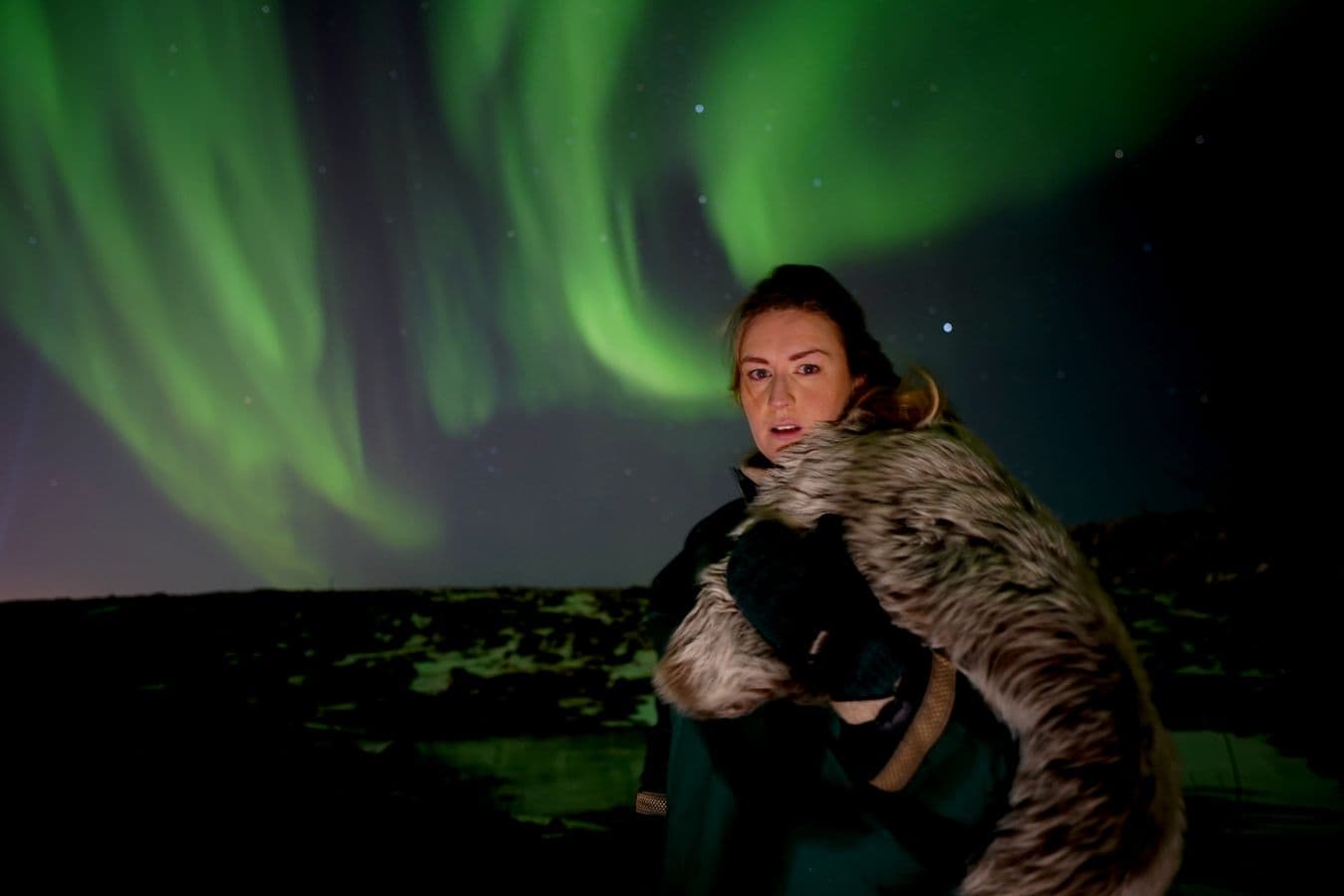
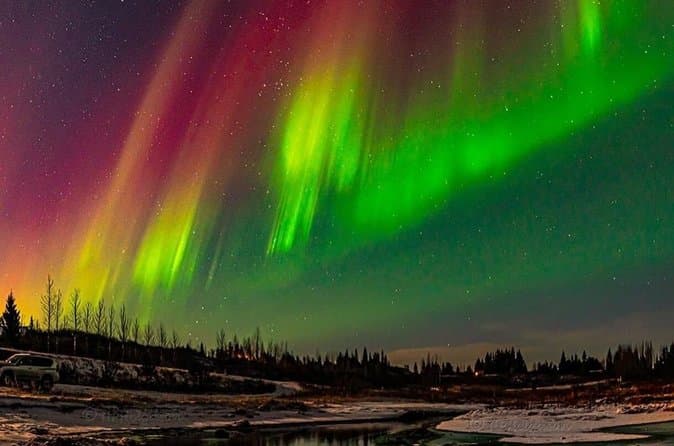
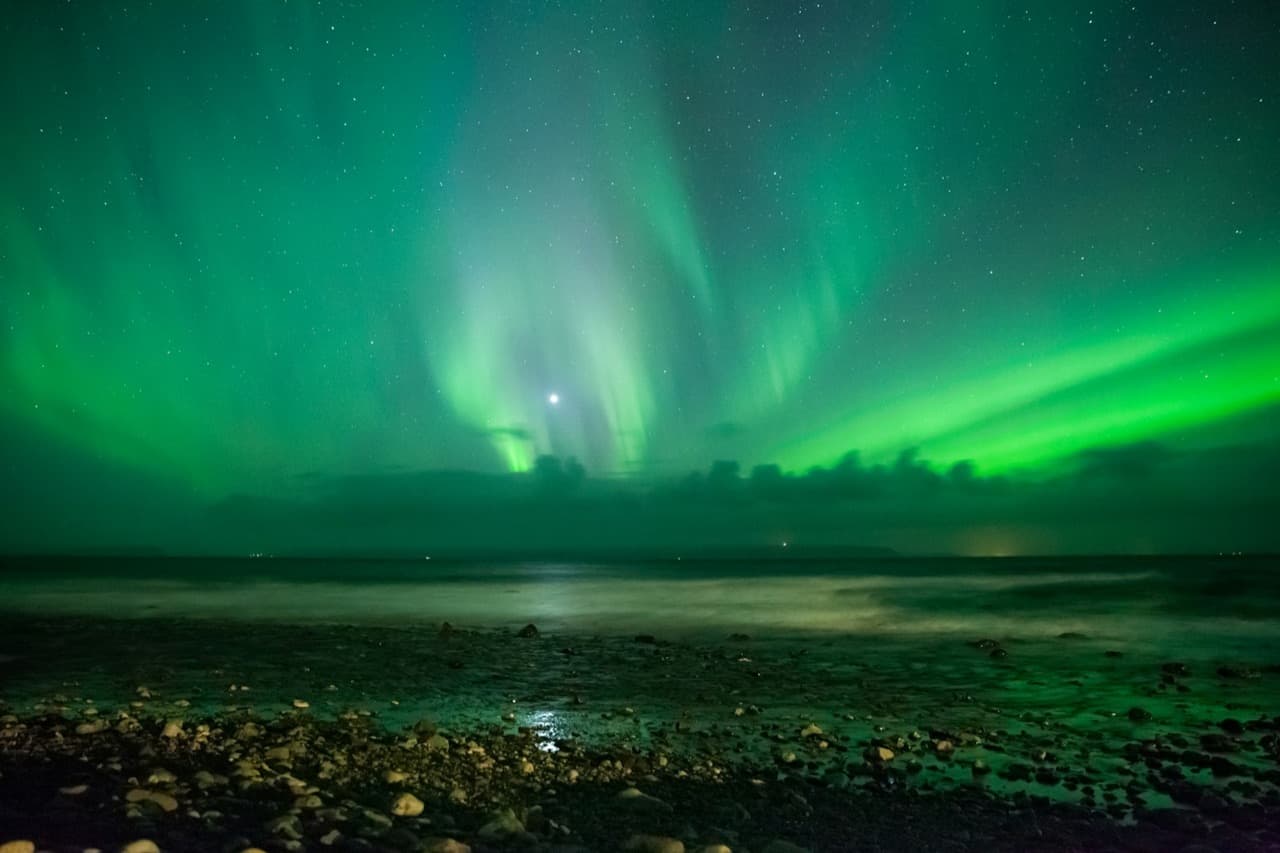
In far-northern places such as Iceland, the aurora can appear even at fairly low KP values. Geomagnetic activity also rises and falls over the Sun's 11-year solar cycle. For live forecast information, check en.vedur.is. To compare options, see northern lights tours.
Check the full forecast
The Aurora Forecast adds cloud cover to the KP index, giving you a more useful same-day picture before you head out.
Northern Forecast shows the NOAA Kp outlook beside solar wind readings and hour-by-hour cloud for Reykjavík.