The letter F in Icelandic road numbers stands for fjallvegur, which means mountain road. F-roads are unmaintained tracks into Iceland's interior highlands, with loose gravel, rocks, deep ruts, volcanic sand, and unbridged river crossings. Icelandic law requires a 4x4 vehicle to drive on F-roads.
What F-roads are and how they differ from ordinary gravel roads
F-roads are legally different from the unpaved sections of ordinary numbered roads. A gravel road such as Route 939, the Oxi pass, is demanding, but a 2WD car may drive it legally, whereas an F-road may not.
When Iceland's F-roads open and close each year
Highland F-roads are usually closed from about mid-September until June or July. Most F-roads open sometime between mid-June and early July, and many stay open through August and into September before autumn snow closes them. There is no fixed annual opening date for F-roads. Opening depends on snowmelt, weather, and road-surface conditions each year. Driving on a road that is still closed is prohibited and damages the fragile highland environment. Use the Road Conditions tool to help plan your trip.
What vehicle you need and the legal 4x4 requirement
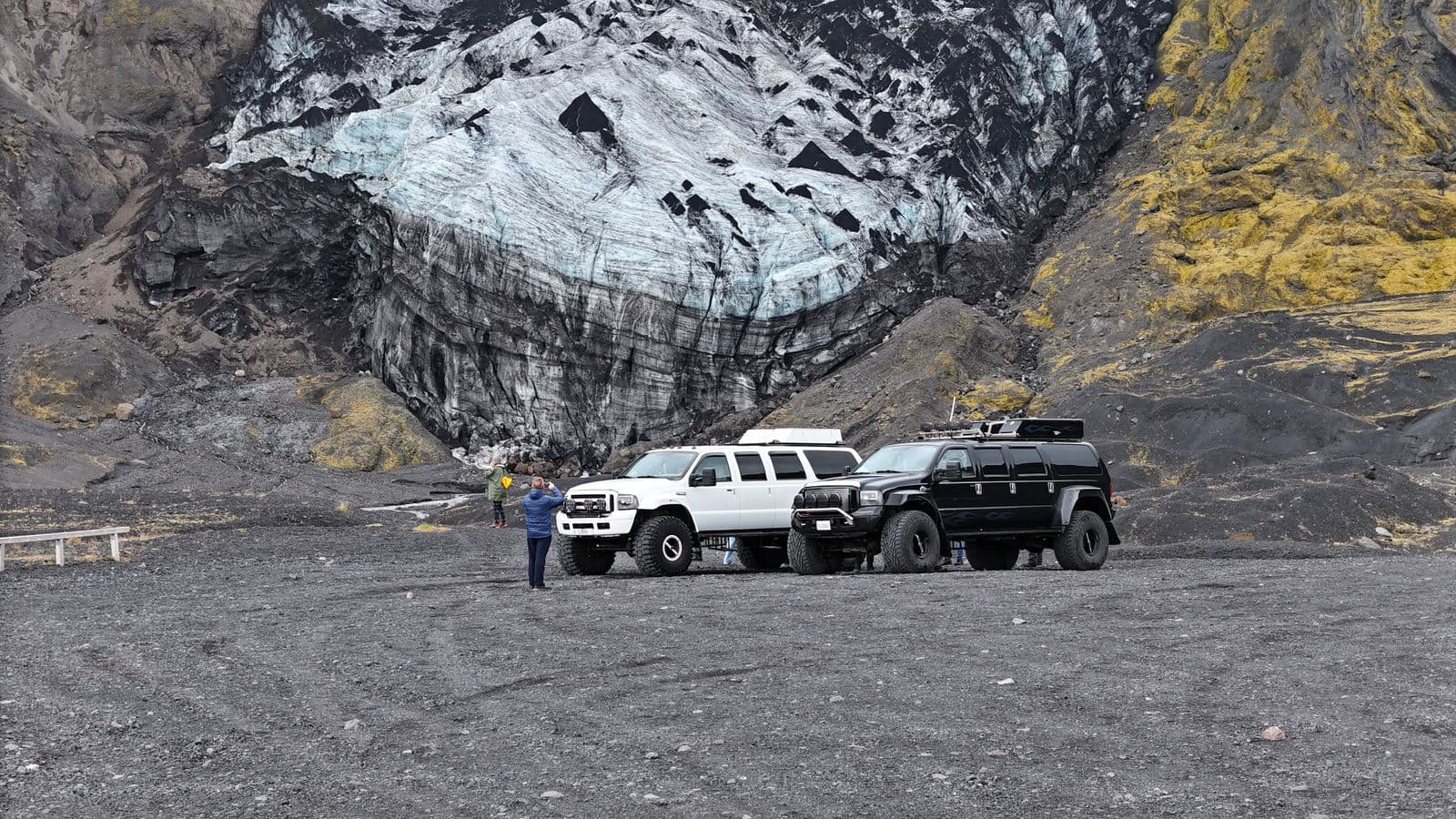
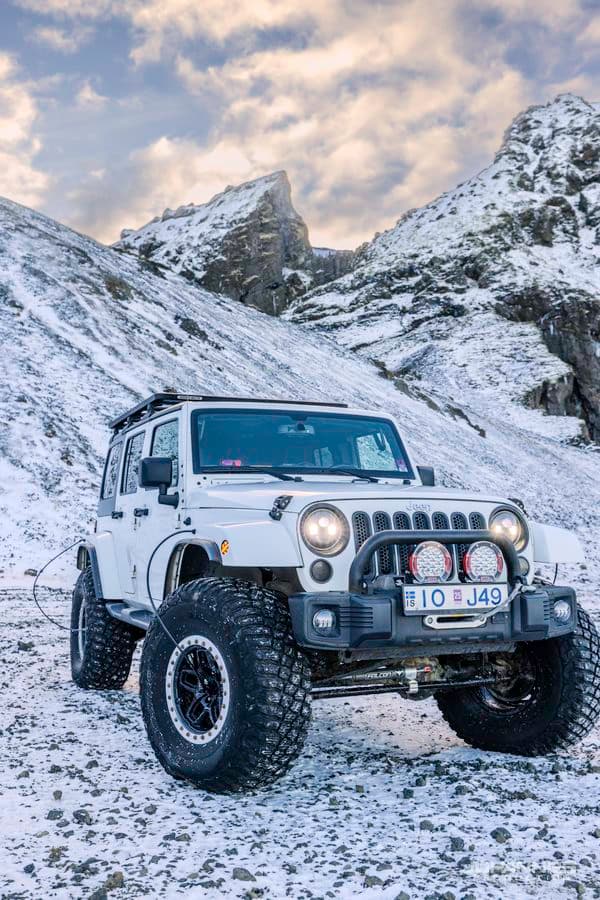
Driving an F-road in a 2WD car is prohibited, can void your rental insurance, and may lead to fines. Not all 4WD vehicles suit every F-road. Some routes are fine for a small SUV like a Dacia Duster, some need a larger vehicle such as a Toyota Land Cruiser, and some require a modified superjeep. Public highland buses run to several highland hubs in summer and are an alternative to self-driving the F-roads.
How to cross highland rivers safely
No vehicle insurance in Iceland covers damage caused while crossing a river. When crossing a river, drive in the lowest gear at a slow steady speed and do not change gears while in the water. Cross rivers diagonally and slightly downstream. Driving against the current increases the risk of water entering the engine. The widest part of a river is often the shallowest with the weakest current. River levels change constantly and rivers can become impassable. If you are unsure, do not cross, turn back, or wait for other travelers. Glacial rivers are generally lower and safer to cross in the morning, because cooler overnight temperatures reduce meltwater. Off-road driving in Iceland is strictly forbidden anywhere in the country.
The main highland F-roads and where they lead
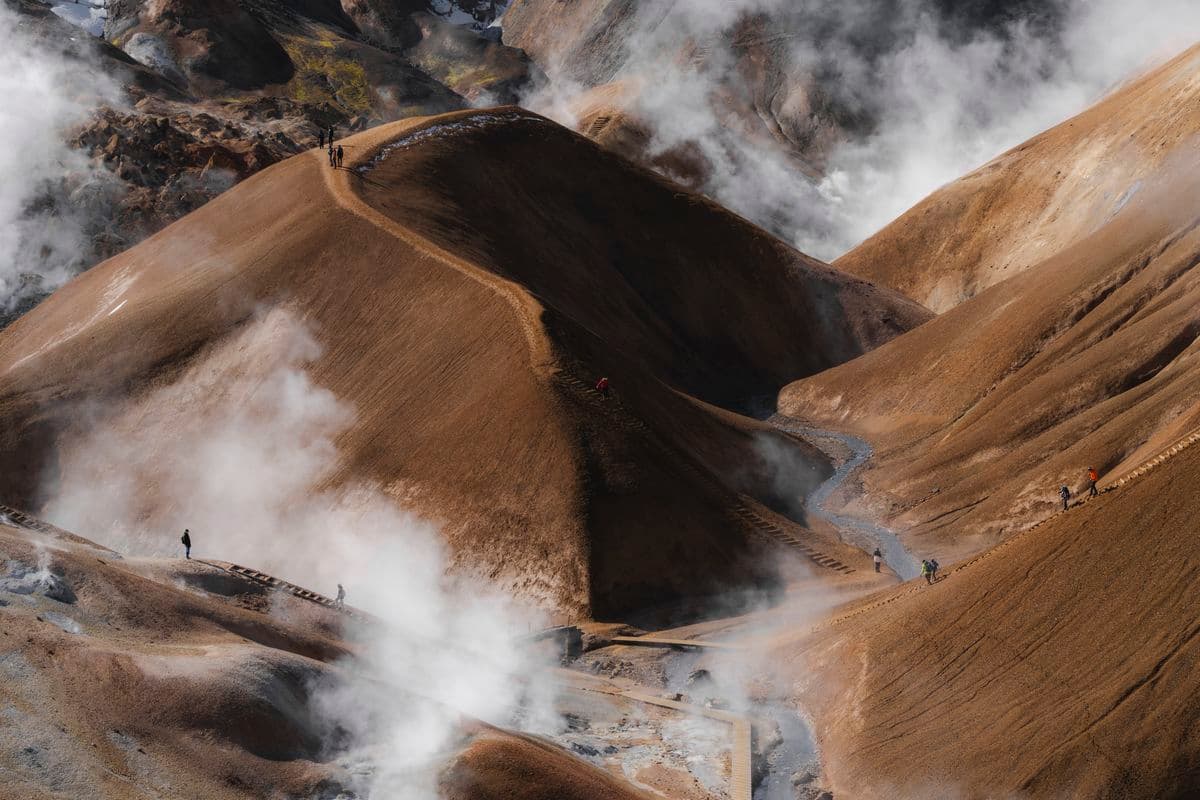
F35, the Kjolur route, is one of the most accessible F-roads and has no major river crossings, so a standard 4x4 SUV can handle it. F26, the Sprengisandur route, is one of the longest F-roads, crossing more than 200 kilometres of remote interior with little or no mobile coverage and river crossings to manage. The road to Landmannalaugar uses F208, whose southern section is rougher than the northern one and includes several river crossings through colourful volcanic terrain. F249 to Thorsmork ends at the Krossa river crossing, where unprepared rental cars are frequently flooded.
Comparing guided highland trips with self-driving
You can compare 4x4 rentals for a vehicle that is legal on the F-roads, or compare highland tours to have a guide drive them.