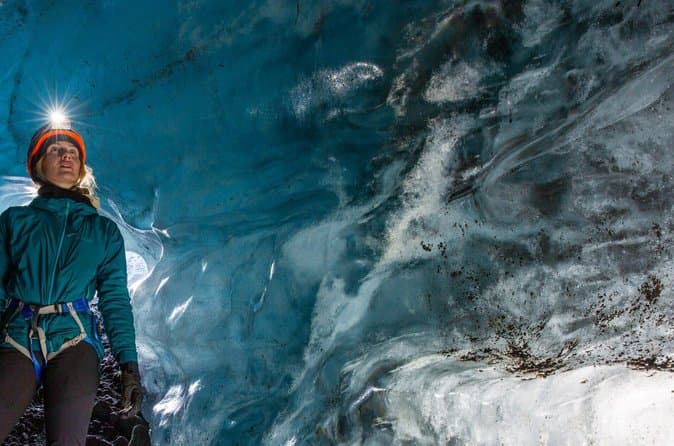
Iceland's glaciers can be explored on foot only with a guide.
Where Iceland's glaciers are and which ones you can tour
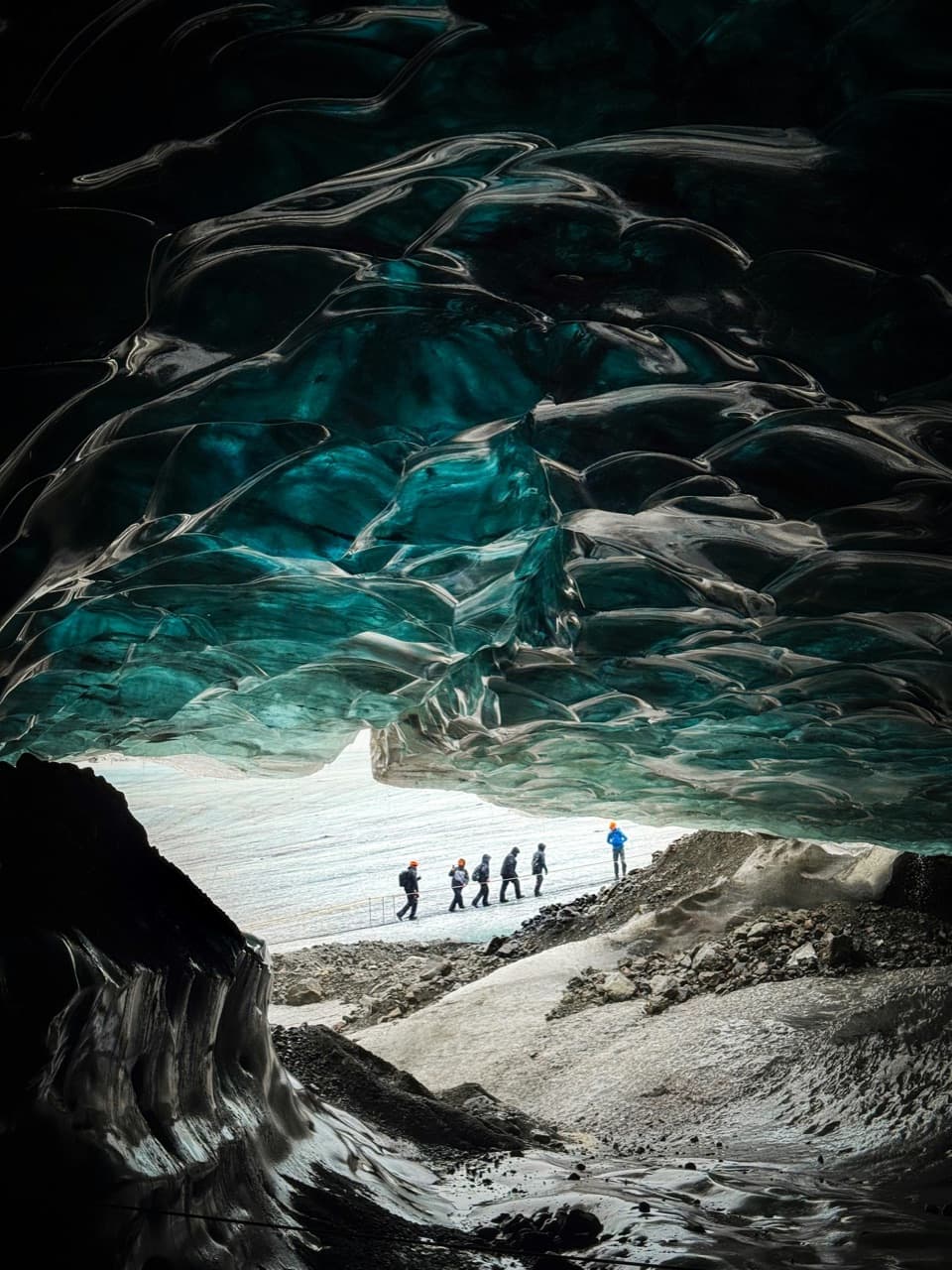
Ice cave tours are offered in Vatnajokull, Iceland's largest glacier, and Vatnajokull National Park, as well as at the Katla outlet glacier and Langjokull.
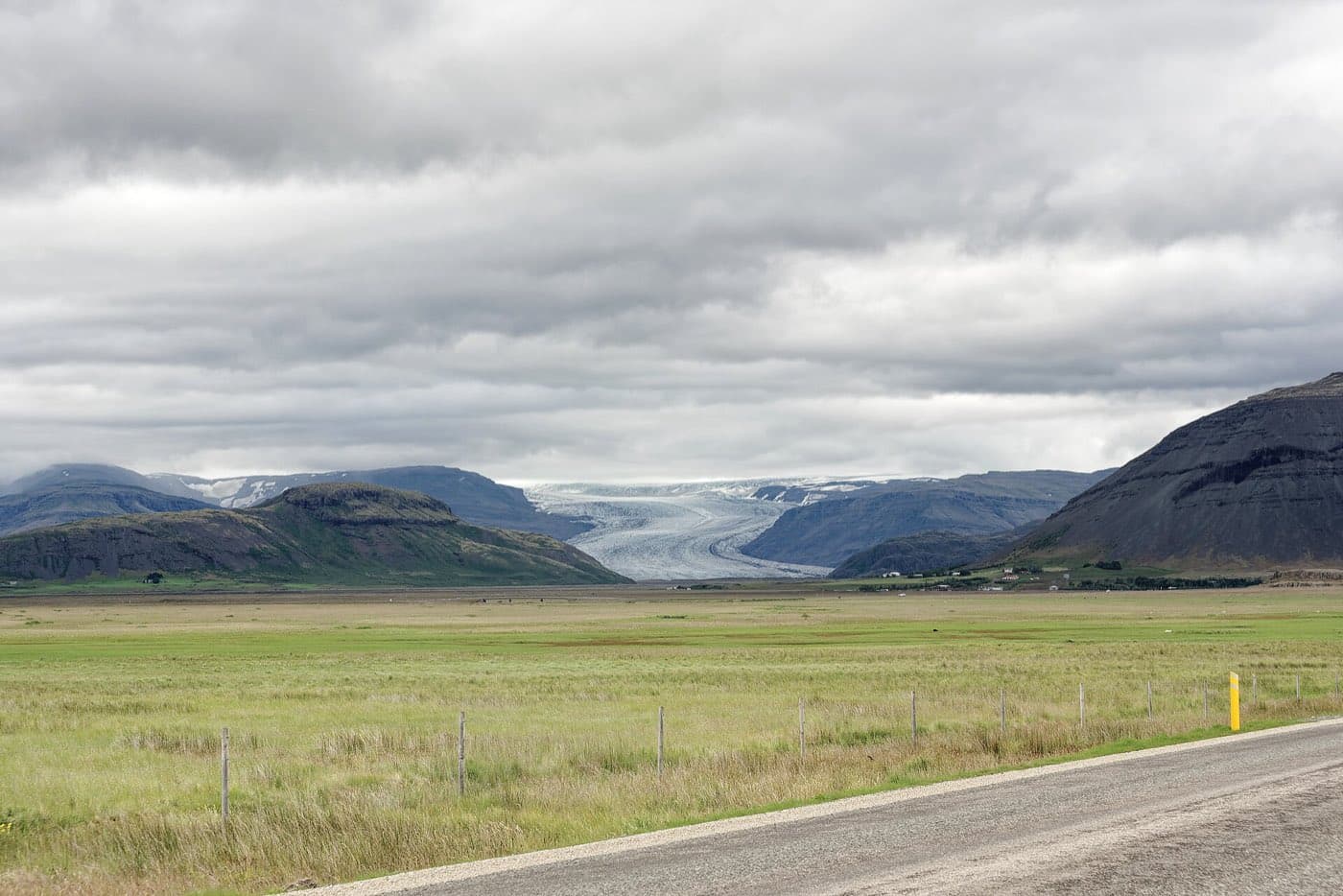
Falljokull is a creeping glacier that flows from the caldera of Oraefajokull, and its northern tongue is called Virkisjokull. Oraefajokull is Iceland's highest mountain.
Skaftafell is now in Vatnajokull National Park and is accessible all year, weather and road conditions permitting. Skaftafell was a national park in its own right before it became part of Vatnajokull National Park.
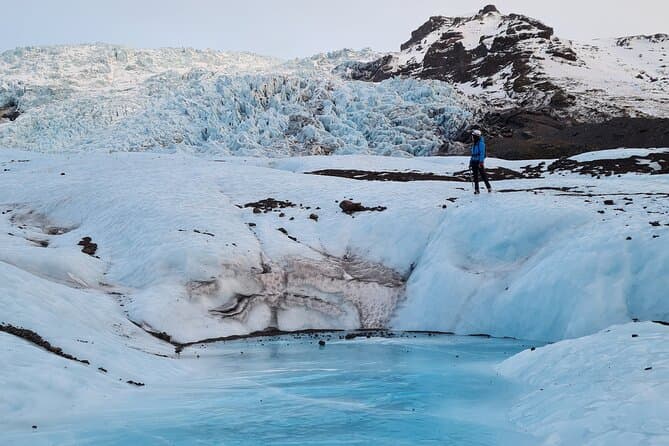
The Skaftafellsstofa visitor centre is open all year, and rangers there give information about nature, trails and accommodation. Skaftafellsjokull is an outlet glacier of the Vatnajokull ice cap, on the east side of Skaftafellsheidi heath.
Hafrafell divides the Skaftafell and Svinafell glaciers. The S1 trail along Jokulslod at Skaftafell walks through the history of a glacier's retreat.
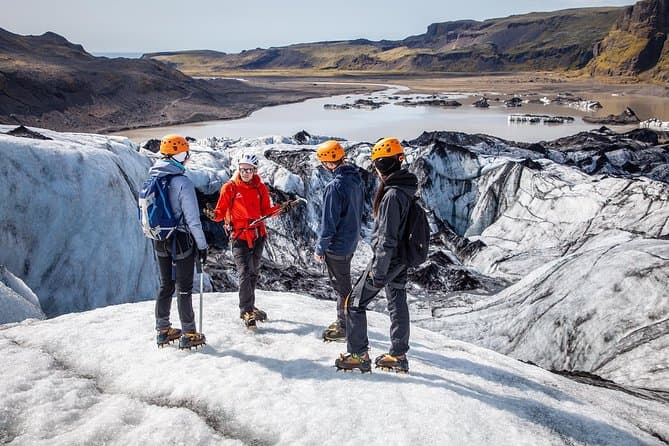
Glacier hikes on Falljokull are arranged by tour companies, and visitors should use the right safety gear and go with a guide experienced in glacier walks.
What actually happens on a guided glacier hike
No one should go onto a glacier without a guide and good knowledge of this kind of activity.
Vatnajokull National Park sets conditions for glacier tour operators on guide training, the number of guests per guide and equipment.
How to choose between a Solheimajokull and a Skaftafell tour
Solheimajokull is a long outlet glacier of Myrdalsjokull.
Glacier hikes on Solheimajokull start with tour operators from the parking area. Langjokull is Iceland's second-largest glacier, and no one should drive onto it on their own.
On Myrdalsjokull, high winds and snowstorms can appear suddenly at any time of year, and inexperienced travellers should not go alone. A lagoon began to form in front of Solheimajokull's snout and has grown in both size and depth.
At Solheimajokull an ice ridge leading to the glacier edge thinned and became unstable, and tour operators cancelled trips. Near Solheimajokull the likelihood of rockfall increases during heavy rain and sudden temperature changes.
How the seasons and the ice change
Glaciers move more quickly in summer than in winter.
Outside the summer months, conditions at Skaftafell can change rapidly.
What to wear, what to bring, and staying safe on the ice
Crevasses form on outlet glaciers when the ice moves over uneven ground. Crevasses can appear with limited warning signs.
The weather on a glacier can be much more unforgiving than in other remote areas, and Safetravel recommends hiring a certified glacier guide. Safetravel recommends going onto Solheimajokull with a guide.
The combination of cold temperature, strong wind and rain can be fatal.
Use the Packing List to help plan your trip.
Comparing glacier tours in Iceland before you book
You can compare glacier tours to see the current options.