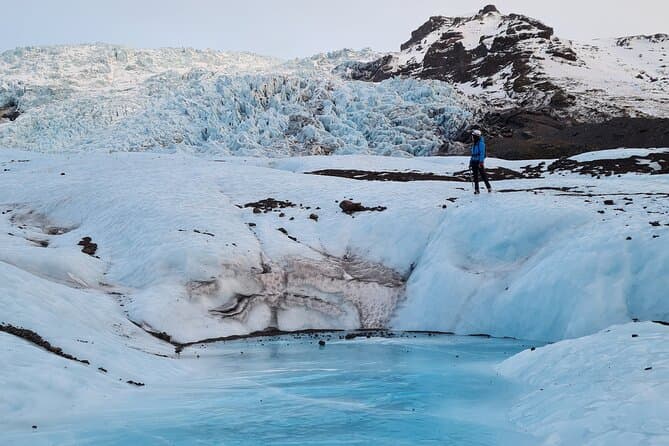
A glacier hike in Iceland runs year-round on outlet glaciers like Sólheimajökull in the south and the ice at Skaftafell in the southeast, always with a certified guide and crampons. Intro treks need no previous experience, and the operator provides the technical gear, so most reasonably fit people can join. This guide covers where to go, why a guide is required, what to expect, the gear, and how to plan.
Glacier hiking at a glance
| Glacier hiking in Iceland | |
|---|---|
| Popular glaciers | Sólheimajökull (south) and Skaftafell on Vatnajökull (southeast) |
| Season | Year-round, guided |
| Experience | None needed for intro hikes |
| Gear | Crampons and helmet, provided by the operator |
| Guide | Certified guide required; never hike unguided |
| Closest to Reykjavík | Sólheimajökull, on the south coast |
Where to go: Sólheimajökull and Skaftafell
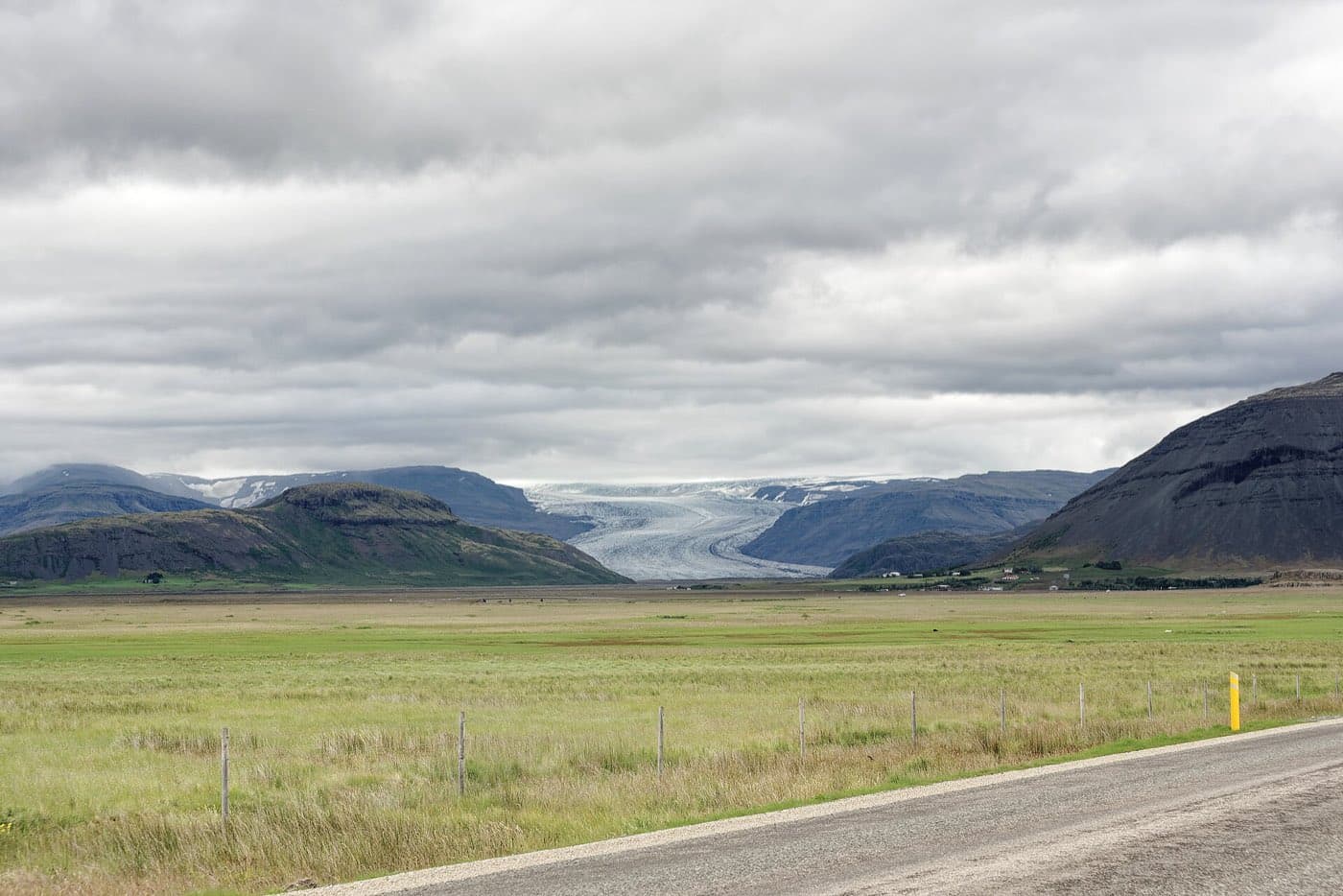
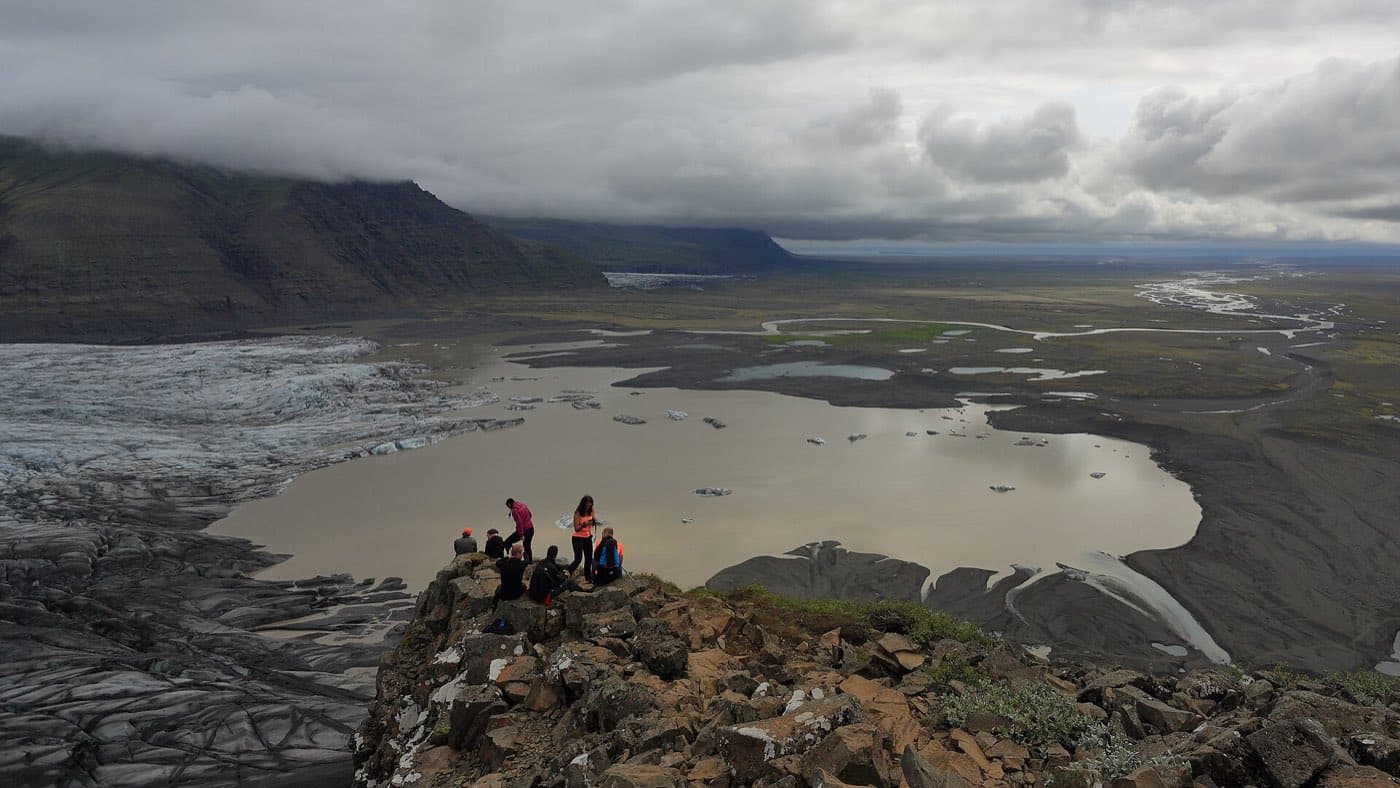
Sólheimajökull is an outlet glacier of Mýrdalsjökull on the south coast, the closest of the hiking glaciers to Reykjavík, which makes it the most common choice for a first glacier hike and an easy day trip. Skaftafell sits in the southeast within Vatnajökull National Park, on the edge of Vatnajökull, the largest ice cap in Europe, which covers about 7 percent of Iceland. Skaftafell is a longer drive from the capital, so many visitors hike there as part of a south-coast trip rather than a single day out from Reykjavík.
Why you need a certified guide and crampons
Glaciers are moving ice, and the surface hides crevasses, thin snow bridges, and meltwater channels that are not safe to cross alone. For that reason glacier hiking is a guided-only activity: you go with a certified guide who knows the current route and carries the safety gear. Never walk onto a glacier on your own, even a short way in from the edge. Before any trip, check conditions and alerts on safetravel.is, Iceland's official travel-safety site run by the search and rescue association, and save the emergency number 112, which the 112 Iceland app can use to send rescue teams your location.
What to expect on an intro hike
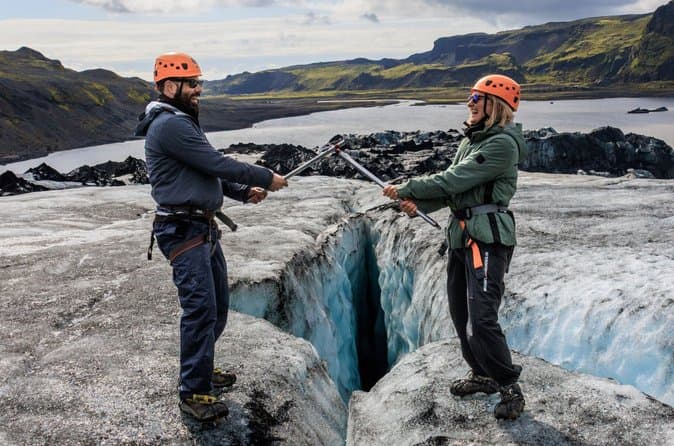
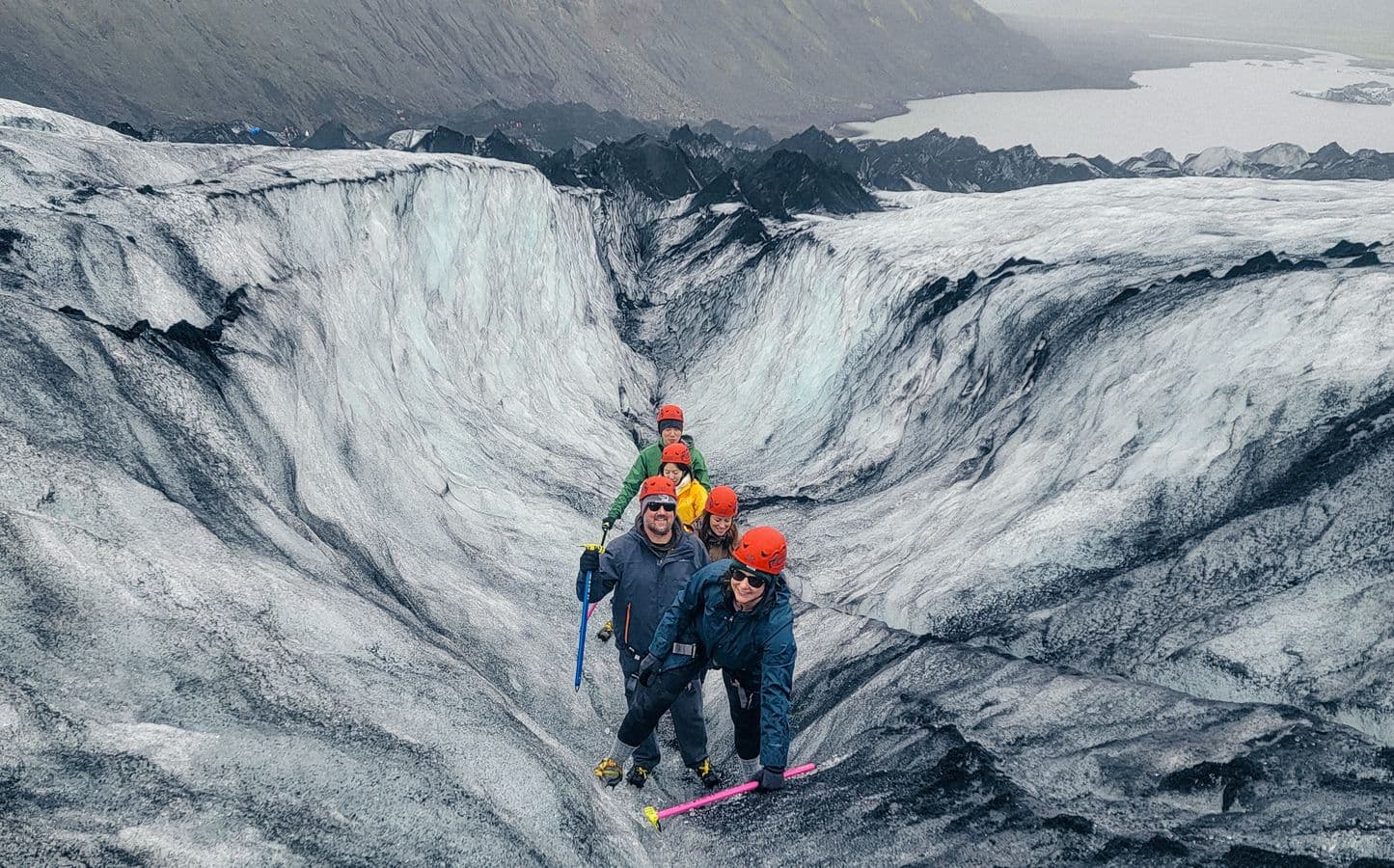
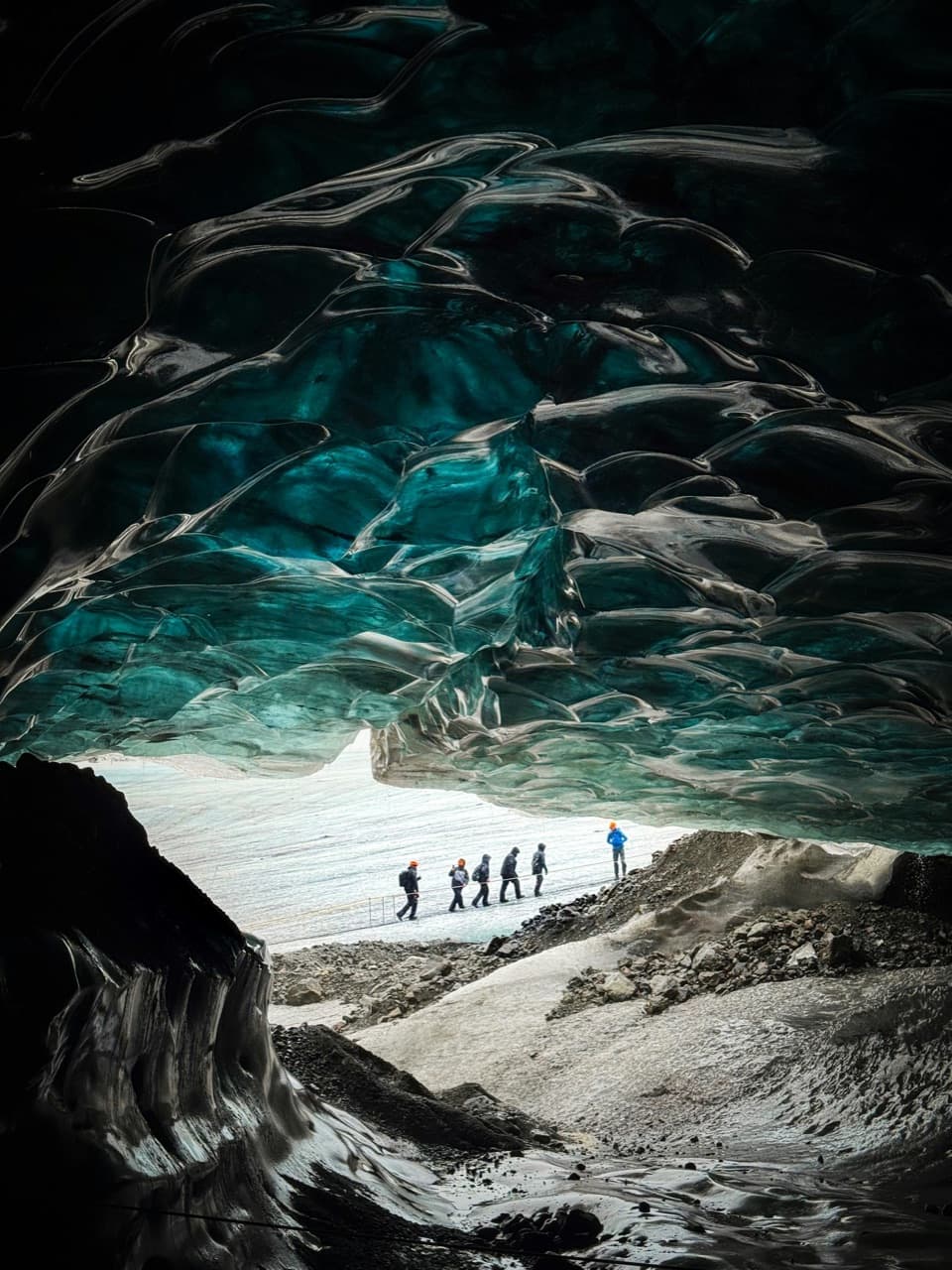
After meeting your guide you fit crampons over sturdy boots, put on a helmet, and get a short briefing on how to walk on the ice before stepping onto the glacier. An intro outing such as a Skaftafell glacier hike usually lasts a few hours including the briefing and the walk to and from the ice, and covers gentle terrain with time to see features like ridges, crevasse edges from a safe distance, and blue ice. No climbing skill is needed, and the guide sets a steady pace. You should be able to walk on uneven ground for the length of the tour.
What gear you need and what is provided
The operator provides the technical safety gear: crampons, a helmet, and an ice axe where the route calls for one, plus a harness on hikes with short roped sections. You bring warm layers, a waterproof jacket and trousers, gloves, and a hat, since weather on the ice changes quickly. Footwear matters, because crampons need a stiff boot to attach to; many operators rent boots, and operators typically list EU 35 as the smallest shoe size crampons will fit. Bring water and sunglasses, as glare off the ice is strong on bright days.
When to go and how to plan
Guided glacier hikes run all year. Summer brings long daylight and the widest choice of departures, while winter has shorter days and a real chance that weather closes tours, so keep your plans flexible and hold a backup day. Book intro hikes ahead in peak season, and allow travel time, especially for Skaftafell. Prices vary by operator, season, and tour length, so compare guided glacier and ice cave tours to see current options before you book.
Look at the roads first
Use Iceland road conditions alongside this guide to glacier hiking, particularly when weather may affect access.