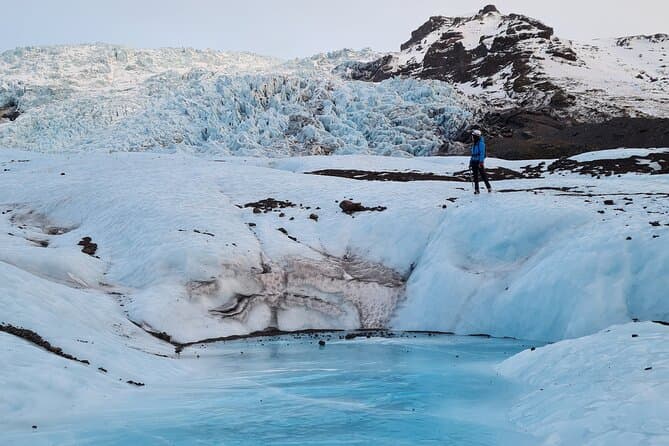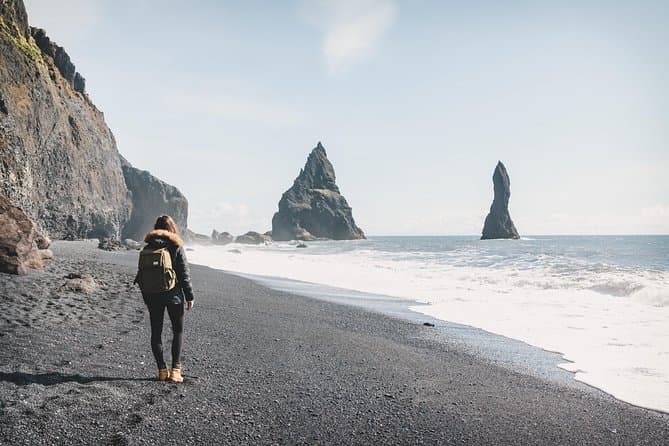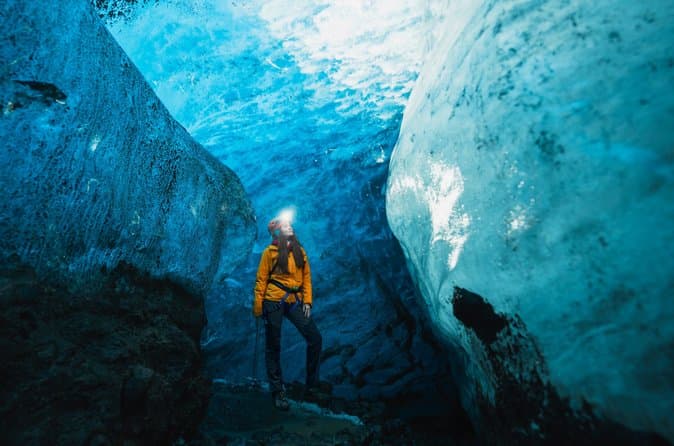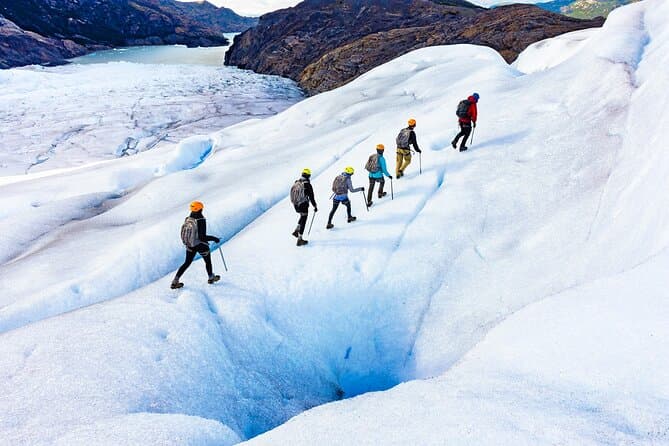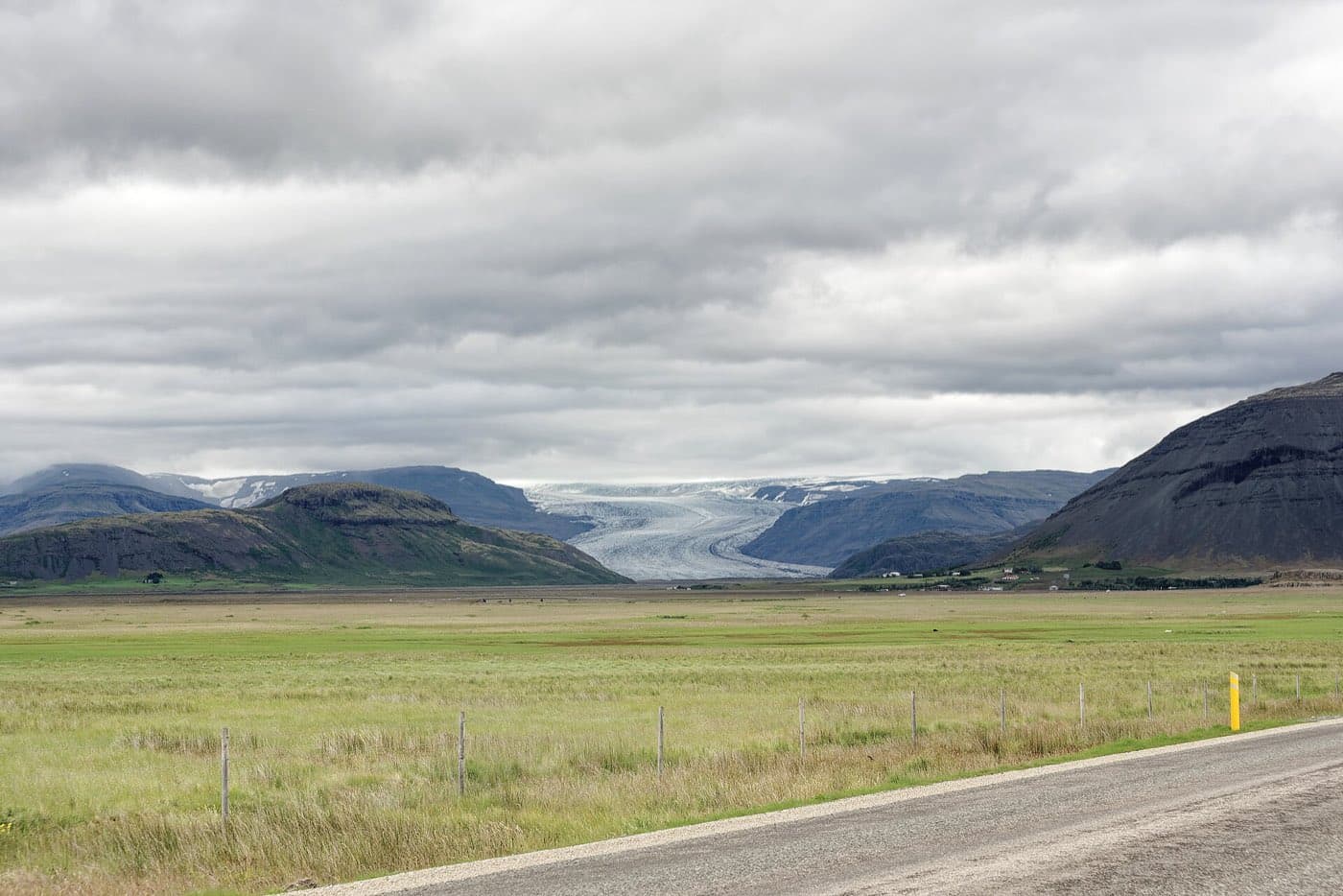
Vatnajökull is Iceland's largest glacier, covering about 7,500 square kilometres, and it holds the natural blue ice caves that form inside its outlet glaciers each winter. The season runs roughly from November to the end of March, when cold weather keeps the ice stable, and tours set out from the Jökulsárlón glacier lagoon in southeast Iceland. Access is guided only, because a certified glacier guide checks conditions and chooses a cave that is safe to enter.
Vatnajökull ice cave at a glance
| Feature | Detail |
|---|---|
| Location | Vatnajökull glacier, southeast Iceland |
| Glacier size | About 7,500 square kilometres, Iceland's largest |
| Season | About November to the end of March |
| Meeting point | At or near the Jökulsárlón glacier lagoon |
| Tour length | Up to about 3 hours |
| Access | Guided tours with a certified glacier guide only |
Where the ice caves form
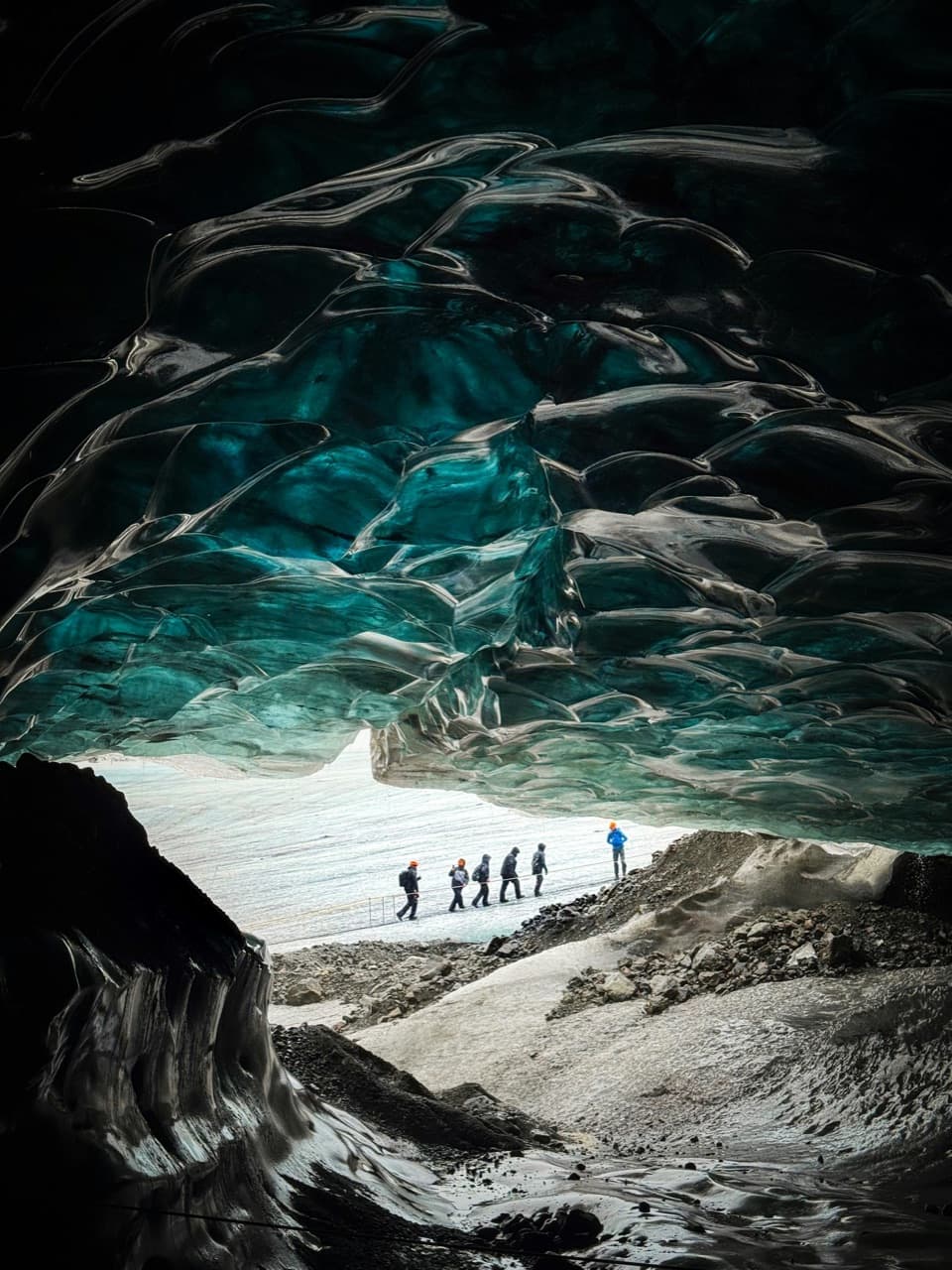
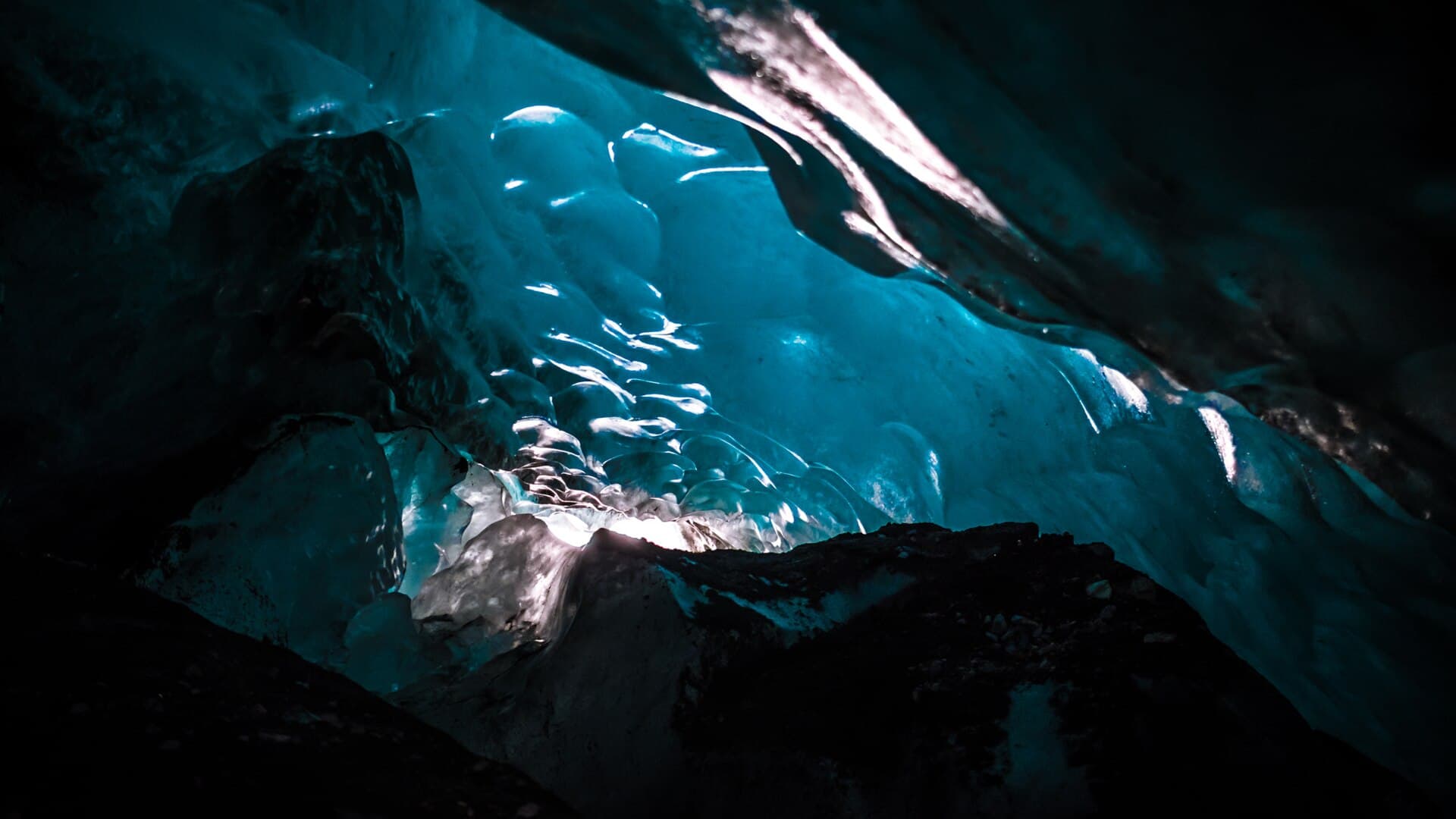
The blue ice caves form inside Vatnajökull's outlet glaciers, most often Breiðamerkurjökull, the tongue of ice that feeds the Jökulsárlón lagoon. They open up when meltwater flows through the glacier and slowly carves out tunnels and chambers. The vivid blue inside comes from dense, old ice that has had the air pressed out of it, so it absorbs most light and reflects blue. Because moving water and shifting ice shape every cave, no two winters produce the same one, and a cave that existed last season may be gone the next.
When the season runs
Natural blue ice caves in Vatnajökull are a cold-season activity. The reliable window is about November to the end of March, when low temperatures freeze and harden the ice enough to enter safely. As spring arrives and meltwater rises, most natural caves become unstable and close to visitors. Winter is therefore the time to plan a visit, though the exact start and end shift from year to year with the weather, so treat these months as the general pattern rather than fixed dates and confirm before you travel.
How tours work from Jökulsárlón
Vatnajökull ice cave tours usually gather at or near the Jökulsárlón glacier lagoon, about 380 kilometres east of Reykjavík on Route 1. From there a modified jeep carries the group to the edge of an outlet glacier such as Breiðamerkurjökull, and the guide leads the walk to the cave. A visit from the lagoon runs up to about three hours in total, including the drive and the time inside. The guide chooses which cave to enter based on the conditions that day, so the one you see is decided on site, not in advance.
Why access is guided only
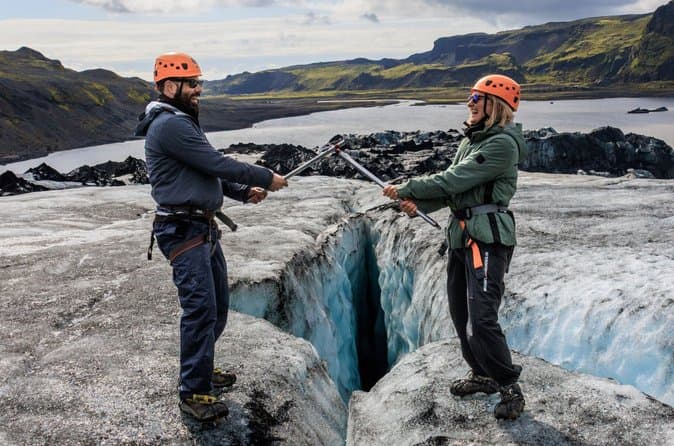
You cannot safely explore a natural ice cave on your own, which is why these tours run guided only. A certified glacier guide inspects the cave before a group goes in, reads the weather and glacier, and will change plans or cancel when rain or thaw raises the risk. Glaciers hold crevasses and thin ice that are hard to judge without training, and conditions can turn quickly. Guides also provide the safety gear and set the route, so the group stays on stable ground. None of that applies to a carved tunnel, which is why natural and man-made ice caves are worth telling apart before you book.
Conditions and safety
Dress for cold, wet weather with warm layers and waterproofs, and expect short daylight in midwinter. Book ahead, because ice cave tours are in high demand in season. Before you set out, check travel alerts on safetravel.is, the forecast on vedur.is, and road conditions for Route 1 on road.is, all official Icelandic services, and follow your guide throughout. To compare guided ice cave tours and their meeting points in one place, use the compare page rather than booking blind.
Plan for changing conditions
Iceland road conditions provides the current road information to check before a trip that includes Vatnajökull ice cave.