SafeTravel provides road and weather alerts.
Where September sits in the Icelandic year
Winter conditions in Iceland can also occur in spring and autumn, not only in the core winter months. Weather and road conditions in Iceland differ from what most visitors are used to and can change fast. Wool and fleece are preferred over cotton for an Iceland trip because cotton holds moisture and dries slowly.
The round-up season
Rettir takes place all over the country from early September to mid-October. At rettir, sheep and sometimes free-roaming horses are gathered home for the winter. Stodrettir usually take place by the end of September or the beginning of October.
Weather warnings and the official sources
The Icelandic Meteorological Office issues impact-based colour-coded weather warnings. SafeTravel publishes a travel conditions map. For typical conditions rather than live warnings, the weather by month tool compares the averages. SafeTravel lets travellers leave a travel plan that helps rescuers locate them.
Driving in September
Route 1, the Ring Road, is fully paved and is maintained in every season and all weather conditions. Single-lane bridges still remain on Route 1. Mountain roads in Iceland are designated with an F prefix and require a suitable vehicle. Highland F-roads are closed for much of the year, and Vegagerdin decides opening dates road by road with snow cover as the most important factor.
Checking road conditions before you set off
Road conditions and closures for Iceland are published by the Icelandic Road and Coastal Administration. Use the Road Conditions to help plan your trip.
Northern lights
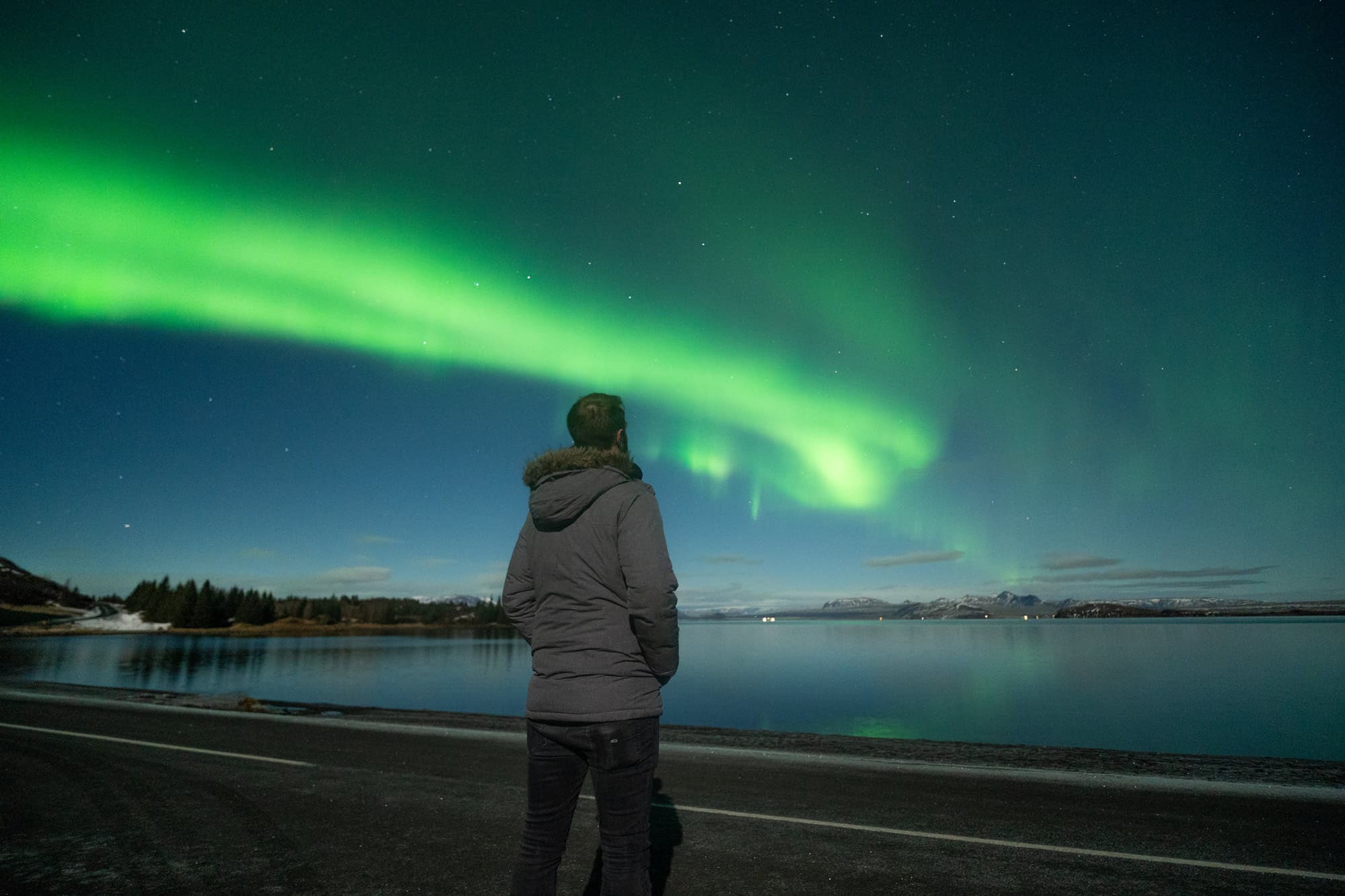
The Icelandic Meteorological Office publishes an aurora forecast for Iceland, and the northern lights need dark and clear skies to be seen. Use the Aurora Forecast to help plan your trip.
Comparing tours for the season
You can compare northern lights tours to see the current options.