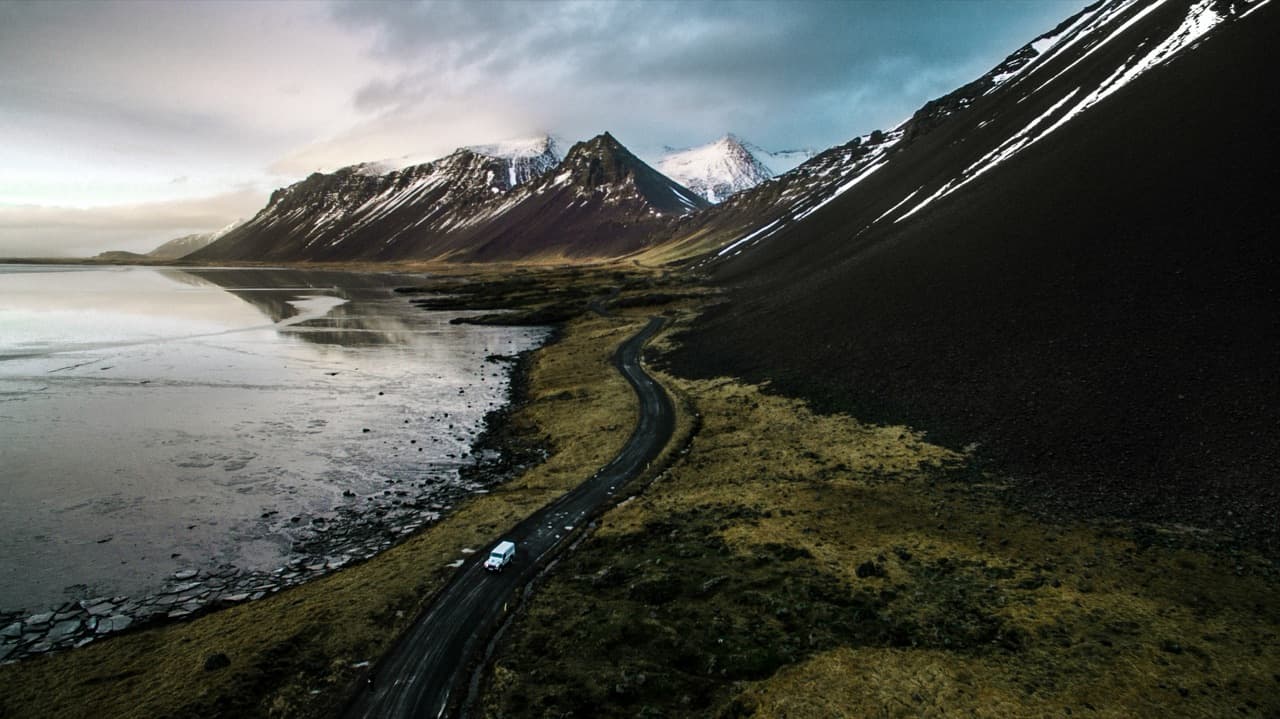
Iceland's Ring Road is officially Route 1, and its Icelandic names are Thjodvegur 1 and Hringvegur. The Ring Road is a single loop that circles the island of Iceland. The total length of the Ring Road is more than 1,300 km.
What the Ring Road is and where it goes
The Ring Road is described as the longest ring road in Europe. The Ring Road passes through 23 named communities, including Reykjavik, Akureyri and Hofn. The Ring Road connects the majority of Iceland's populated areas. The Ring Road does not go through the Westfjords or the Snaefellsnes peninsula, which are reached by side roads.
The Ring Road was completed in 1974. Its completion coincided with the 1100th anniversary of the settlement of Iceland. The loop was finished when the bridge over the Skeidara river in the southeast opened, allowing direct travel across the south. Before the southern bridge opened, drivers between southern settlements such as Vik and Hofn had to travel north through Akureyri.
How many days you need and which direction to drive
A minimum of 7 days is commonly recommended to drive the full Ring Road loop on an express route. Around 10 days is recommended for a more relaxed Ring Road trip with room for detours. The north and south of Iceland are large regions that each easily warrant 2 to 3 days. Counterclockwise is the most popular direction to drive the Ring Road, sending visitors from Reykjavik to the south first.
Use the Driving Distance Calculator to help plan your trip.
The Iceland map shows the regions, towns and sights along the route, the F-roads, and the drive time to each place from Reykjavík.
Speed limits, single-lane bridges and the rules of the road
Urban speed limits run from 30 to 50 km/h, with road signs giving the limit for each area. The speed limit is 80 km/h on rural gravel roads. The speed limit is 90 km/h on rural paved roads, which covers most of the Ring Road. Route 1 is now paved along its full length. The signs that matter most on the loop are the ones foreign drivers have not seen before, and Icelandic road signs explained covers them, including the single-lane bridge and blind-rise warnings.
Single-lane bridges on the Ring Road have been progressively reduced from around 60 in 2010 as older crossings are upgraded. When crossing a single-lane bridge, drivers should slow down and the vehicle closest to the bridge generally has priority.
Tunnels on or connected to the Ring Road include the Hvalfjordur, Almannaskard, Faskrudsfjardargong and Vadlaheidi tunnels. In Iceland vehicles drive on the right-hand side of the road. Headlights must be on at all times when driving in Iceland, day and night. Seat belts are mandatory for all occupants in Iceland. Off-road driving is illegal in Iceland and vehicles must stay on marked roads and tracks.
Weather and road conditions in Iceland can change rapidly, and strong winds, rain, fog, snow or ice may require driving well below the posted limit. Drivers should slow down before moving from a paved road onto gravel because tires can lose grip on the loose surface. Mountain roads marked with the letter F are not part of the Ring Road, require a four-wheel-drive vehicle and are typically open only in summer.
Comparing Ring Road self-drive and guided tour options
Driving it yourself means sorting a vehicle first, and you can compare Iceland car rental partners for the 4x4, campervan and budget options. You can compare South Coast tours to see the current options.