Þingvellir National Park lies about 45 minutes east of Reykjavík, in a rift valley where the North American and Eurasian tectonic plates pull apart. It is where the Alþingi, Iceland's national assembly, was founded around 930 AD, and it was inscribed as a UNESCO World Heritage Site in 2004. The park also holds Þingvallavatn, the largest natural lake in Iceland, and the Silfra fissure, a snorkelling and diving site known for exceptionally clear water.
Þingvellir at a glance
| Feature | Detail |
|---|---|
| Location | Golden Circle, about 45 minutes from Reykjavík |
| Status | National park (since 1928) and UNESCO World Heritage Site (2004) |
| Geology | Rift between the North American and Eurasian plates |
| History | Site of the Alþingi, founded around 930 AD |
| Lake | Þingvallavatn, the largest natural lake in Iceland |
| Silfra | Freshwater fissure, water about 2 to 4 degrees Celsius year-round |
A brief history of the Alþingi
Þingvellir is where the Alþingi, one of the world's oldest parliaments, was founded around 930 AD. For centuries, free men gathered here each summer to set laws and settle disputes, and the assembly continued to meet at the site until 1798. Turf-and-stone booths used by those attending once stood across the plain, and traces of them can still be read on the ground. The site stayed central to Icelandic identity, and the modern national park was established in 1930 to mark the thousandth anniversary of the assembly.
Standing on the plate boundary
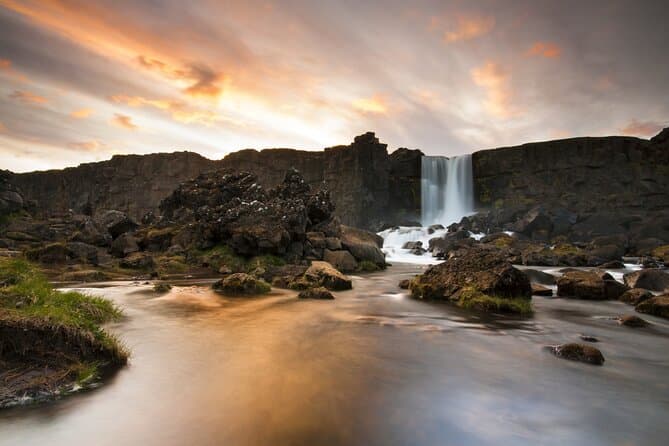
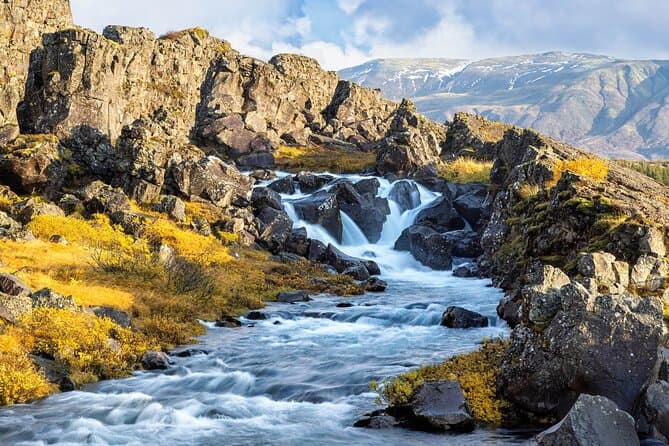
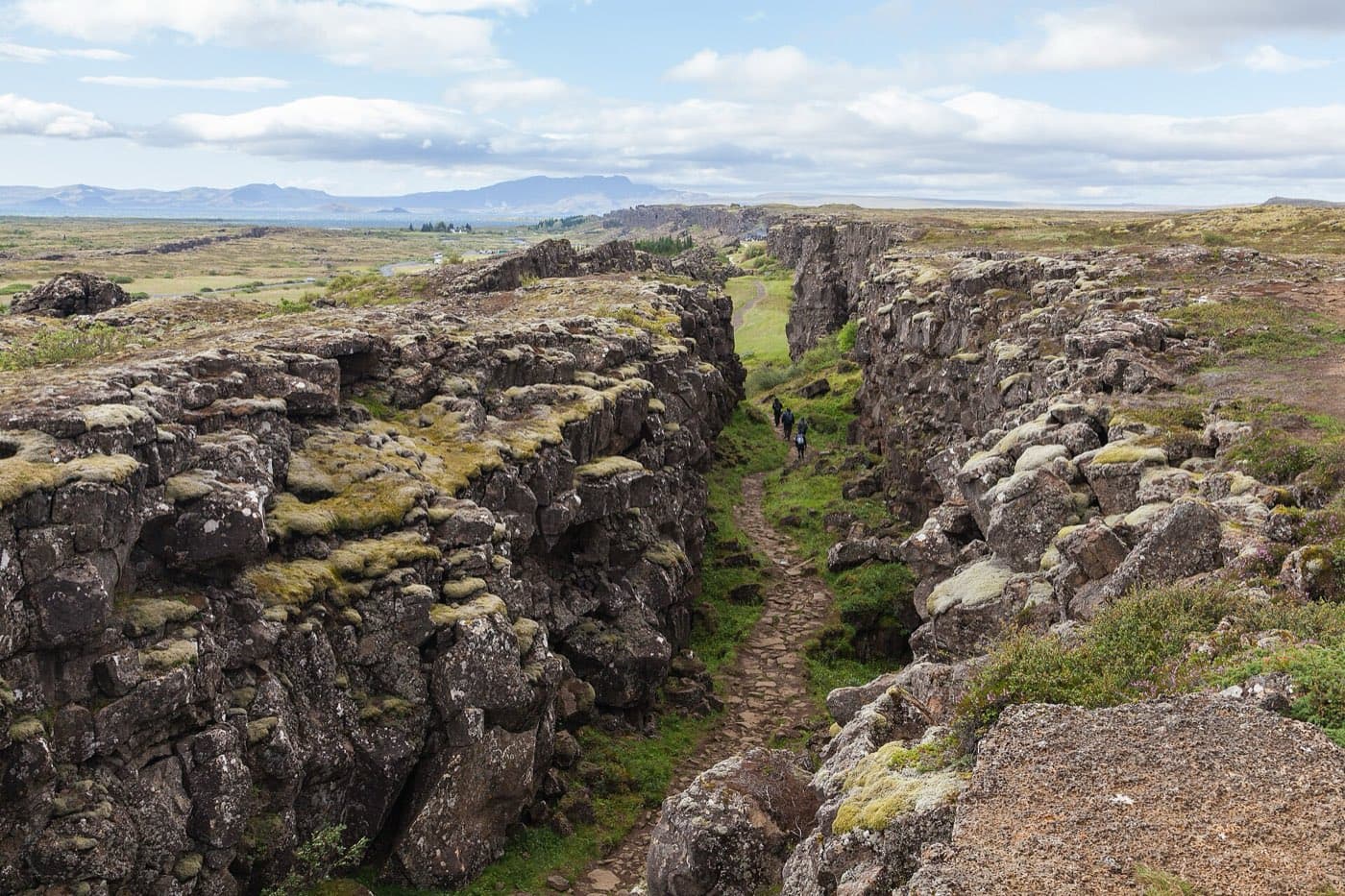
The park sits in a rift valley that marks the boundary between the North American and Eurasian tectonic plates, part of the Mid-Atlantic Ridge. The clearest expression of this is Almannagjá, a gorge whose walls expose the edge of the North American plate. A marked path runs through Almannagjá, so you can follow the rift on foot and see the fractured lava and cliffs left as the crust slowly pulls apart. Öxarárfoss, a waterfall that spills into the gorge, is a short walk along the same route.
Snorkelling and diving at Silfra
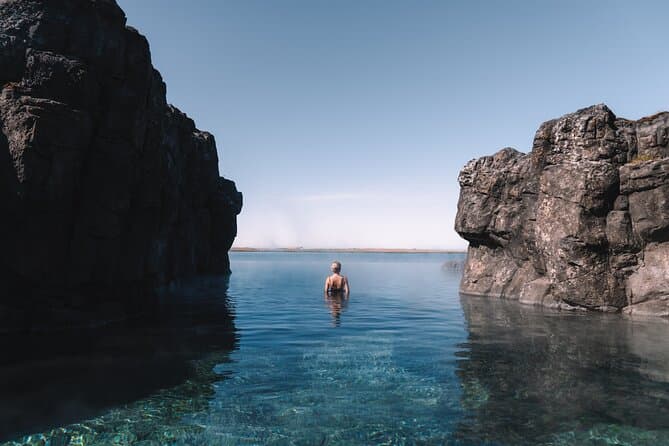
Silfra is a water-filled fissure in the rift, fed by glacial meltwater that has seeped underground from the Langjökull glacier and been filtered through porous lava rock before reaching the fissure. That slow filtering is why the water is so clear, with underwater visibility that often exceeds 100 metres. The water temperature stays around 2 to 4 degrees Celsius through the year, so guided snorkelling and diving are run in dry suits, and time in the water is usually kept to around 30 to 40 minutes.
Visiting Þingvellir
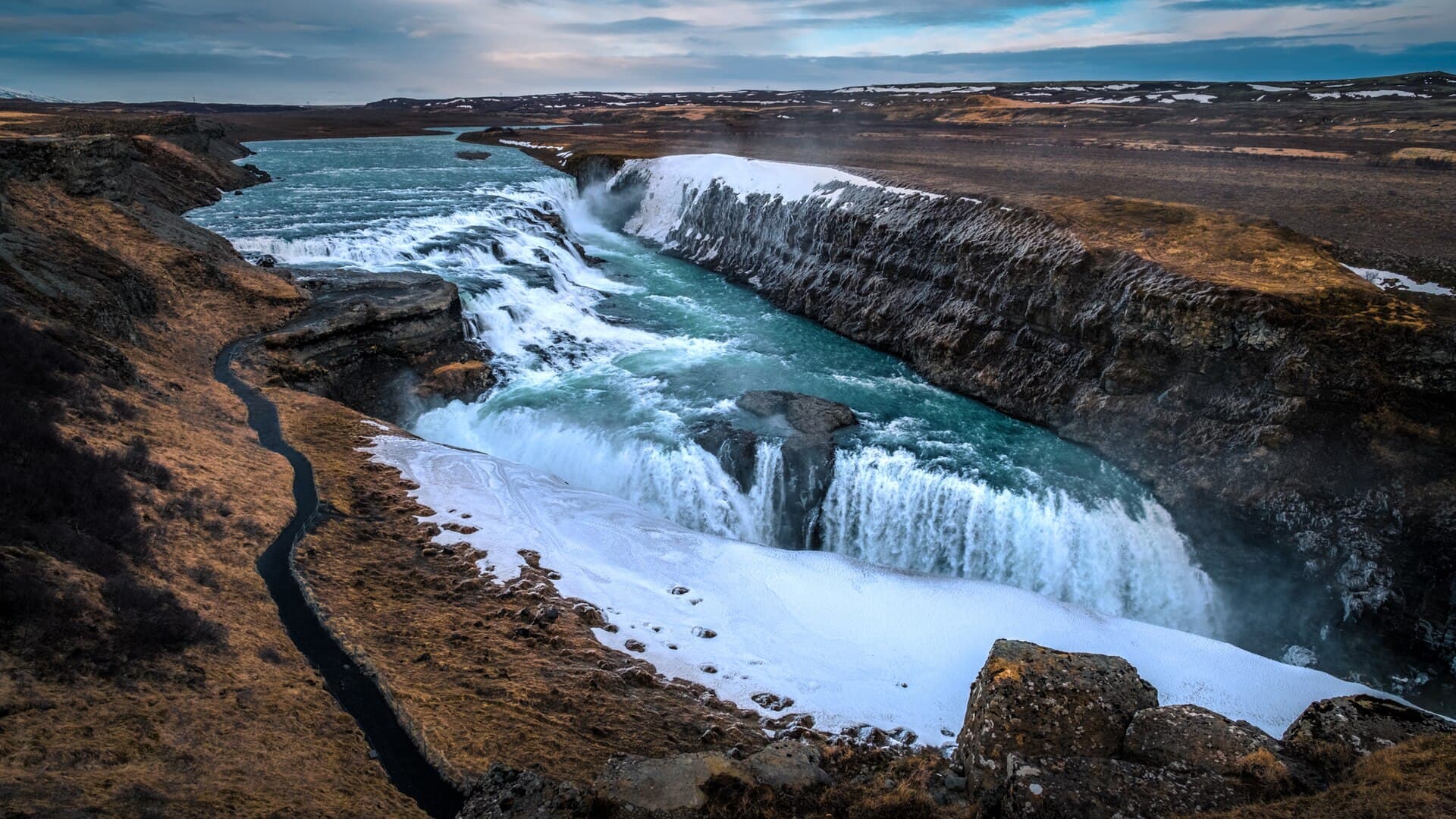
Þingvellir is about a 45-minute drive from Reykjavík and is normally the first of the three main Golden Circle stops, ahead of the Geysir geothermal area and Gullfoss. The park is open year-round and entry is free. Paths around Almannagjá and the old assembly site are well marked and mostly easy going, while Silfra and Þingvallavatn draw people for snorkelling, diving, and fishing. In winter the paths can be icy and daylight is short, so it is worth checking conditions before setting out.
Comparing Golden Circle tours
Many visitors reach Þingvellir on a guided Þingvellir tour or a Golden Circle day trip from Reykjavík that also stops at Geysir and Gullfoss, while others self-drive and add the park to their own route. Silfra snorkelling and diving are usually booked as separate guided activities because of the dry-suit requirement. To weigh guided options against each other, you can compare Golden Circle tours that include a stop at Þingvellir.
Allow time for the road
Check the Driving Distance Calculator when deciding how Þingvellir National Park: rift, history, and Silfra belongs in the rest of your itinerary.