In Icelandic, foss means waterfall. Many Icelandic waterfalls are fed by glacial rivers carrying meltwater from ice caps. Morsarfoss is the tallest waterfall in Iceland at about 228 meters.
What the word foss means and where Iceland's waterfalls get their water
The Icelandic word foss means waterfall, and most named Icelandic waterfalls end in that suffix. Many Icelandic waterfalls are fed by glacial rivers carrying meltwater from ice caps. The Hvita river is fed by the Langjokull glacier. The Jokulsa a Fjollum river flows from the Vatnajokull glacier.
The best waterfalls along Iceland's south coast
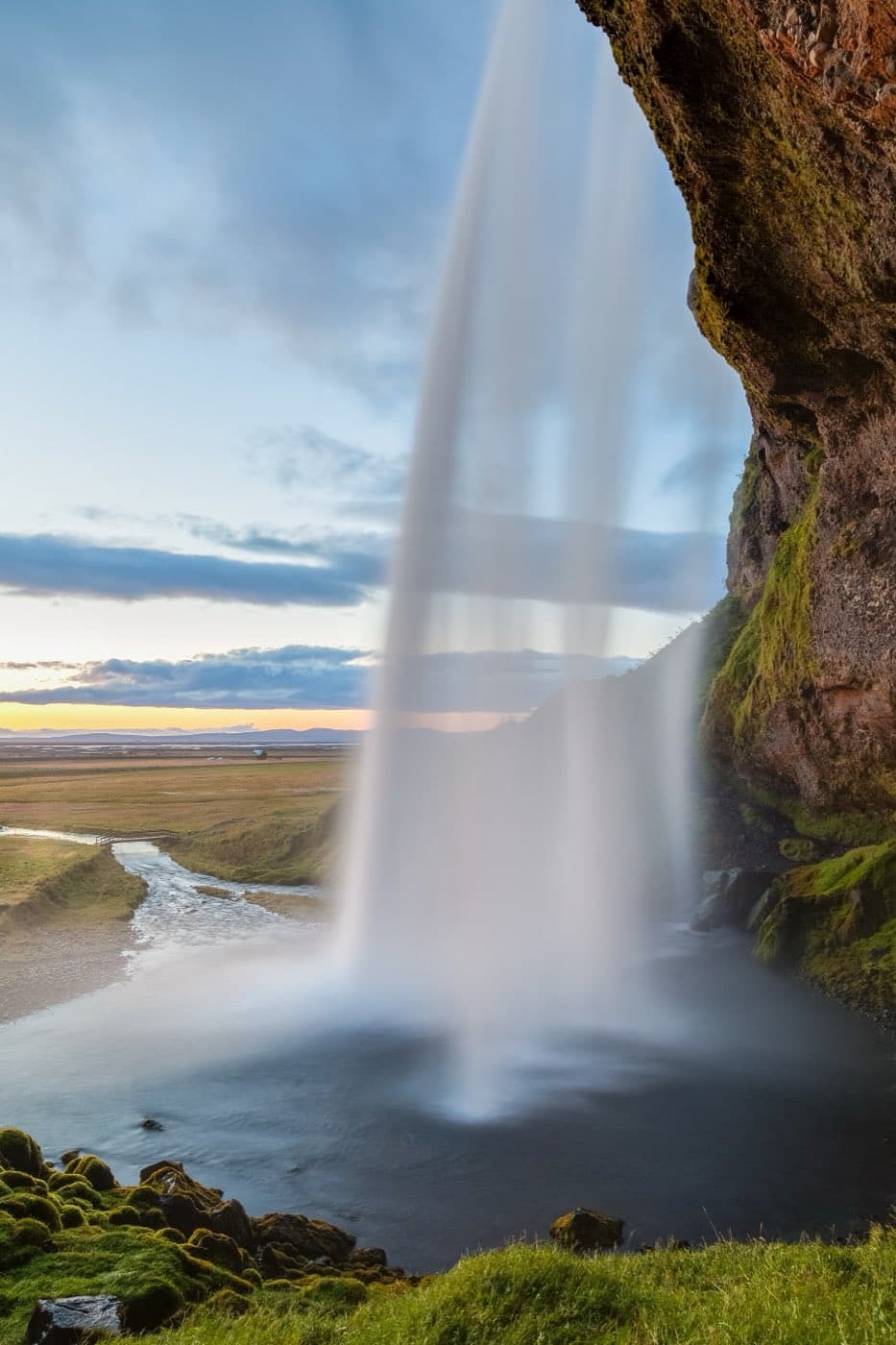
Visitors can walk behind Seljalandsfoss. Seljalandsfoss lies beside Route 1 and is fed by a river from the Eyjafjallajokull glacier. Seljalandsfoss waterfall has more details about the site. Skogafoss is about 60 meters high and about 25 meters wide. Seljalandsfoss and Skogafoss sit on the main south coast road.
Gullfoss and the tall waterfalls of the highlands
Gullfoss waterfall has more details about the falls. Gullfoss has a two tier drop of 11 meters and then about 20 meters into a canyon. Gullfoss is powered by the Hvita river. Gullfoss is one of the main stops on the Golden Circle route. Haifoss drops about 122 meters and is one of the highest waterfalls in Iceland. Haifoss is located near the volcano Hekla in the southern highlands. Glymur is one of the tallest waterfalls in Iceland at about 198 meters and was long considered the tallest. Hengifoss in east Iceland is about 128 meters tall.
The powerful waterfalls of north Iceland and the Westfjords
Godafoss has a drop of about 12 meters and a width of about 30 meters with a horseshoe shape. Godafoss is linked to Iceland's conversion to Christianity around 1000 AD, when a lawspeaker is said to have thrown pagan idols into the water. Dettifoss is about 100 meters wide with a drop of about 44 meters. Dettifoss is often described as one of the most powerful waterfalls in Europe by volume, with a flow that can reach about 500 cubic meters per second in summer. Dettifoss is located in Vatnajokull National Park in northeast Iceland. Dynjandi cascades about 100 meters down a cliff in the Westfjords, widening from about 30 meters at the top to about 60 meters at the base. The name Dynjandi means thunderous, and it is the largest waterfall in the Westfjords, also known as Fjallfoss.
Waterfalls of the southeast and planning a route between the regions
Svartifoss plunges about 20 meters over dark hexagonal basalt columns in Skaftafell, part of Vatnajokull National Park. The basalt columns at Svartifoss are often cited as an inspiration for the facade of Hallgrimskirkja church in Reykjavik. Morsarfoss is the tallest waterfall in Iceland, measured at about 228 meters. Morsarfoss became visible as the Morsarjokull glacier, an outlet of Vatnajokull, retreated. The regions are far apart, and this driving tool helps estimate times between them.
Comparing waterfall day tours and how to visit
You can compare South Coast tours to see the current options.