Diamond Beach, the name visitors use for Fellsfjara, is a black sand beach on Iceland's southeast coast, directly across Route 1 from the Jökulsárlón glacier lagoon and about 380 kilometres from Reykjavík. Chunks of glacier ice drift out of the lagoon to the sea, and the waves push them back onto the dark sand, where they rest like clear blocks against the black. This guide covers where it is, where the ice comes from, when to go, and how to visit safely.
Diamond Beach at a glance
| Feature | Detail |
|---|---|
| Icelandic name | Fellsfjara, on Breiðamerkursandur |
| Location | Southeast coast, across from Jökulsárlón |
| From Reykjavík | About 380 km on Route 1 |
| Part of | Vatnajökull National Park |
| Known for | Glacier ice on black sand |
| Best ice displays | Roughly November to March |
Where Diamond Beach is
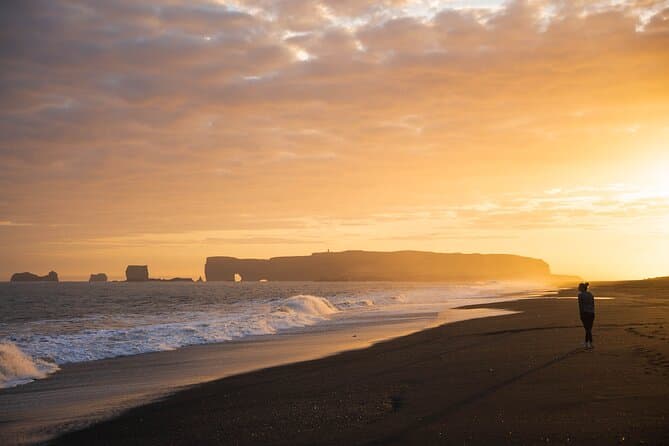
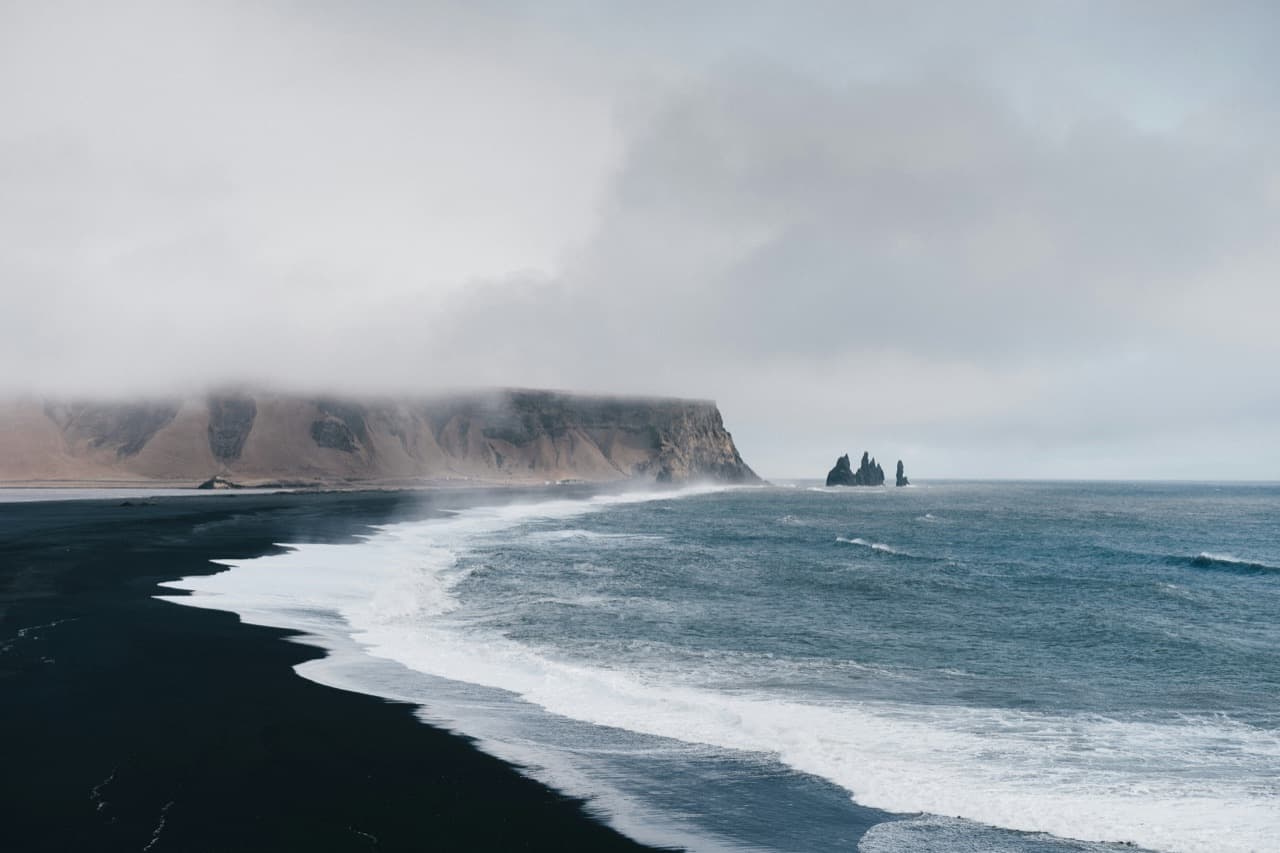
The beach sits on Iceland's southeast coast, about 380 kilometres from Reykjavík along Route 1, the Ring Road. It lies directly across the road from the Jökulsárlón glacier lagoon, which is the reason the two are almost always visited together. Breiðamerkursandur is a broad glacial outwash plain between the Kvíárjökull glacier and the lagoon, and it is part of Vatnajökull National Park. There is a car park by the road, and the walk to the sand is short.
Where the ice comes from
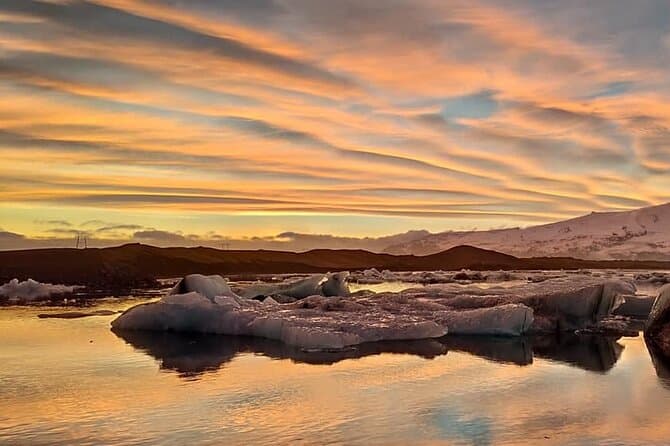
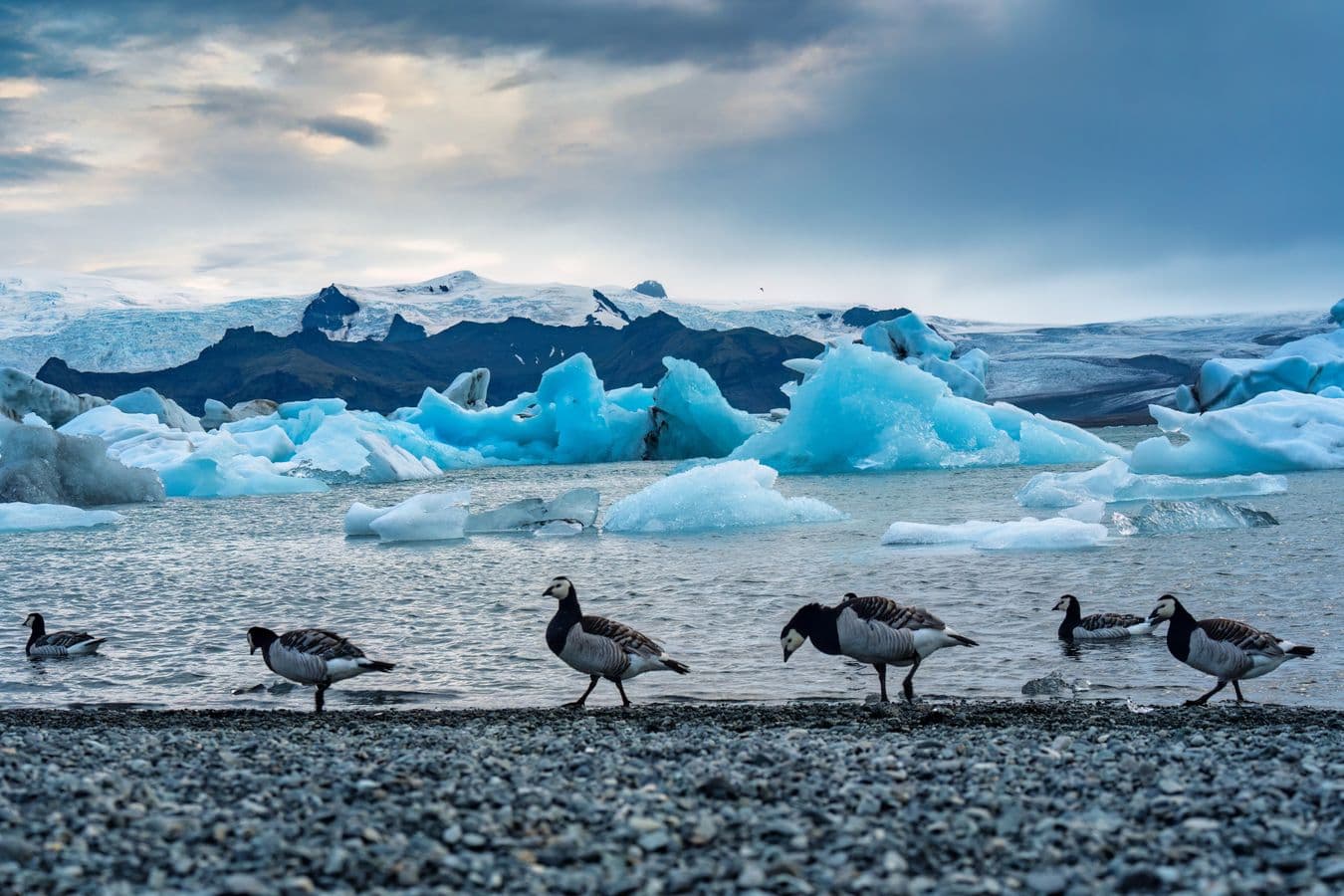
The ice starts as part of a glacier. Breiðamerkurjökull, an outlet of Vatnajökull, the largest ice cap in Iceland, calves icebergs into the Jökulsárlón lagoon behind the beach. Those bergs drift across the lagoon and out through its short channel to the ocean. The sea then carries some of them back and strands them on the black sand of Diamond Beach, so the ice you see on the shore has already made a slow journey from the glacier through the lagoon.
Why the ice looks like diamonds
Two things create the effect. The sand here is black volcanic material, and the ice arriving on it is often clear or pale blue, so the contrast is sharp. The waves also tumble and polish the bergs on the way in, which smooths their surfaces and makes them catch the light. Pieces range from fist-sized fragments to blocks taller than a person, and no two visits look the same, since the ice on the sand is constantly renewed and washed away.
When to go
Ice can appear on the beach at any time of year, but the displays are usually at their best from roughly November to March, when more ice reaches the shore. Summer brings long daylight and the easiest driving, along with the boat tours on the lagoon across the road. Winter offers darker, quieter conditions and, on clear nights, the chance of northern lights over the sand. Whatever the season, the amount of ice varies day to day with the tides and the lagoon.
Safety and visiting
The North Atlantic here is cold and the waves can be strong, so keep well back from the water and do not climb onto ice at the waterline, since a wave can shift it or pull you off your feet. Wear warm, waterproof layers and shoes with grip, as the sand is often wet and the wind can be sharp. Because the beach pairs with the lagoon, allow time for both in one stop rather than treating them as separate trips.
Pairing it with Jökulsárlón and tours
Diamond Beach and Jökulsárlón work as a single visit, and both feature on longer South Coast trips that run east from Reykjavík or from a base in Vík. Because the drive is long for one day, many people take a guided tour or an overnight rather than driving out and back in a single push. To weigh the options, compare South Coast tours that include Diamond Beach and the lagoon before you travel.
Plan the journey
The Driving Distance Calculator can help you sequence Diamond Beach Iceland with nearby sights without overfilling the day.